





Precast concrete erection is the process of moving precast elements from delivery or staging into their final position on a construction site. It typically includes lifting, turning, positioning, alignment, temporary bracing, and permanent connection. If you work with precast wall panels, beams, columns, slabs, or stairs, understanding this process helps you plan lifting points, reduce handling risks, and avoid installation delays. This guide explains how precast erection works, what lifting systems are involved, and what you should check before and during installation.
Which Precast Concrete Elements Require Erection?
Most structural precast elements require some form of lifting, positioning, alignment, or temporary support before they can be permanently connected on site.
Precast Wall Panels
Precast wall panels often require careful lifting and, in some cases, turning from a horizontal transport position to a vertical installation position. You need to consider panel thickness, lifting direction, anchor locations, and temporary bracing before erection begins.

Precast Columns and Beams
Columns and beams are typically lifted directly into their designed bearing or connection points. Accurate positioning is important because you need to control alignment, elevation, and connection tolerances before releasing the crane.
Precast Slabs and Hollowcore Units
Slabs and hollowcore units are usually handled in a horizontal position. You should verify lifting points, bearing lengths, installation sequence, and support conditions to avoid unnecessary stress during placement.
Stairs and Other Precast Elements
Precast stairs, balconies, façade panels, and similar components also require planned lifting and positioning. Their irregular shapes may require specific lifting points or rigging arrangements to keep the element stable during erection.
How Does the Precast Concrete Erection Process Work?
Precast concrete erection follows a planned sequence from site preparation and lifting to alignment and final connection, with each step helping you control handling risks and installation accuracy.
Step 1 - Review the Erection Plan and Sequence
Before lifting begins, you should review the erection drawings, element identification, weight, lifting points, installation order, crane position, and temporary bracing requirements. A clear sequence helps you avoid unnecessary rehandling and delays on site.
Step 2 - Prepare the Site and Crane
Make sure the crane access, working area, foundations, bearing locations, and ground conditions are ready for erection. The crane capacity and working radius should also match the weight and position of the precast element.
Step 3 - Inspect the Element and Lifting Points
Check the element for transport damage and confirm that the concrete has reached the required lifting strength. You should also inspect the embedded anchors, recesses, and lifting-point locations before connecting the rigging. The selected precast concrete lifting system should match the element weight, geometry, and lifting direction.
Step 4 - Connect the Lifting Clutch and Rigging
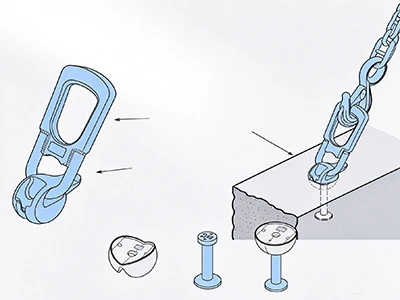
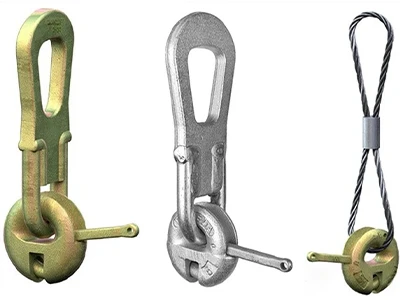
Connect the lifting clutch to the compatible anchor and confirm that it is correctly engaged before applying the load. The clutch, anchor, and load group should be part of a compatible system. Sling arrangement and lifting angles should also follow the approved lifting plan.
Step 5 - Lift, Turn, and Position the Precast Element
Raise the element in a controlled manner and move it toward its final position. Wall panels may need to be turned from horizontal to vertical, making the correct lifting direction especially important. Erection anchors are commonly used for thin-walled units that require tilting or edge lifting.
Step 6 - Align and Temporarily Brace the Element
Once positioned, check line, level, plumb, and bearing location. Install temporary bracing as required and confirm that the element is stable before operating the crane.
Step 7 - Complete the Permanent Connections
Finally, complete the specified bolted, welded, grouted, or other structural connections. You should verify alignment and connection quality before removing temporary supports or allowing the next stage of erection to proceed.

What Lifting Equipment Is Used for Precast Concrete Erection?
A precast erection system usually combines embedded lifting components with reusable rigging equipment so you can lift and position each element safely.
Lifting Anchors
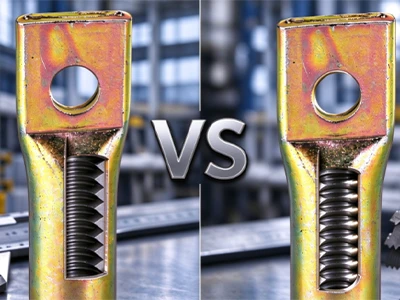
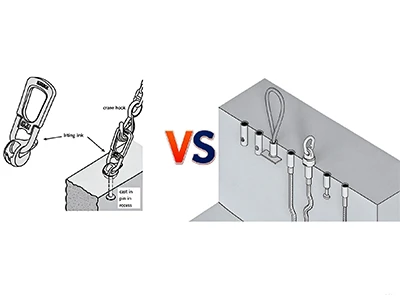
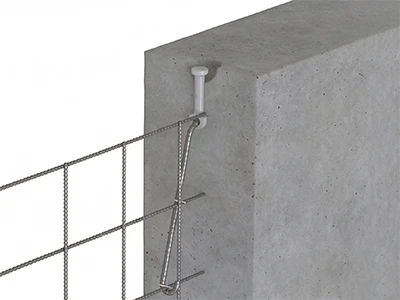
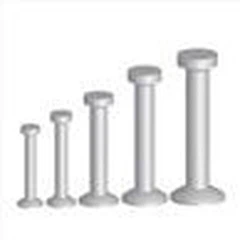
Lifting anchors are cast into the precast element and transfer lifting loads into the concrete. You should select the anchor according to element weight, concrete strength, lifting direction, and geometry.
Erection Anchors
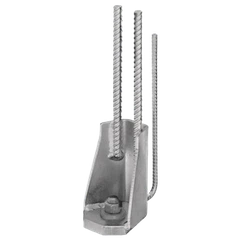
Erection anchors are especially useful for wall panels and thin precast units that require edge lifting, tilting, or horizontal-to-vertical turning during installation.
Lifting Clutches
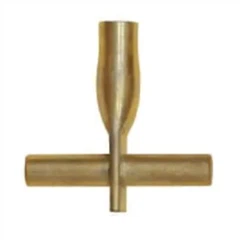
A lifting clutch connects the crane rigging to a compatible lifting anchor. The clutch and anchor must match in system type and load group.

Lifting Anchors

Erection Anchors

Lifting Clutches
What Determines the Correct Lifting System for Erection?
To choose the right lifting system for precast erection, you need to consider both the element itself and the loads created during lifting, turning, and positioning.
Element Weight
Start with the actual weight of the precast element. This helps you determine the required load group and suitable lifting anchor capacity.
Number and Position of Lifting Points
Lifting points affect load distribution and element stability. You should consider the center of gravity and make sure each anchor carries an acceptable share of the load.
Concrete Strength at Lifting
Concrete must reach the required strength before lifting. Insufficient strength can reduce anchor capacity and increase the risk of cracking or breakout.
Lifting Direction and Sling Angle
Vertical, angled, and edge lifting create different forces. Sling angles can also increase the load on each lifting point.
Element Thickness and Edge Distance
Thin panels and anchors positioned close to edges may require different anchor types or reinforcement arrangements.
Turning or Tilting Requirements
If an element must be turned from horizontal to vertical, you need a lifting system designed for the changing load direction during erection.
Precast Concrete Erection Safety Considerations
Safe precast erection depends on checking the lifting system, controlling the work area, and keeping each element stable until permanent connections are complete.
Verify the Lifting System Before Each Lift
Before lifting, you should inspect the anchors, lifting clutches, slings, and other rigging components for damage, wear, or incorrect matching. Confirm that the lifting system suits the element weight, lifting direction, and planned load conditions.
Keep Personnel Clear of Suspended Loads
You should keep unnecessary personnel away from suspended precast elements and establish a controlled lifting area around the crane operation.
Maintain Temporary Stability
Once the element is positioned, install the required temporary bracing or supports before releasing the crane. Do not remove them until the permanent connection provides sufficient stability.

Follow the Approved Erection Plan
Always follow the approved erection sequence, lifting points, rigging arrangement, and connection details. Avoid changing lifting methods on site without proper engineering review.
Common Mistakes During Precast Concrete Erection
Many erection problems come from selecting or using the lifting system incorrectly rather than from the crane operation itself. Choosing a Lifting
Anchor Only by Load Rating
A higher load rating does not automatically mean the anchor is suitable. You also need to consider element geometry, concrete strength, lifting direction, edge distance, and the number of lifting points.
Mixing Incompatible Anchors and Clutches
Lifting anchors and lifting clutches should belong to a compatible system and load group. Mixing components can prevent correct engagement and create unnecessary lifting risk.
Ignoring Concrete Strength at Lifting
Even a correctly selected anchor may not perform as intended if the concrete has not reached the required lifting strength. Always verify concrete strength before erection begins.
Changing the Planned Lifting Direction
An anchor designed for straight lifting may not be suitable for edge loading, tilting, or turning. You should follow the intended lifting direction and erection method.
Removing Temporary Bracing Too Early
Do not remove temporary braces until the element is adequately stabilized by its permanent connections and the erection plan allows their removal.
Conclusion
Precast concrete erection involves much more than simply lifting an element into place. You need to coordinate lifting points, concrete strength, rigging, positioning, temporary bracing, and permanent connections throughout the process. Choosing the right lifting anchors, erection anchors, and lifting clutches can help you improve handling efficiency and reduce installation risks. If you manufacture precast wall panels, beams, slabs, stairs, or other concrete elements, GME can help you select compatible lifting and connection accessories based on your element weight, geometry, lifting direction, and erection requirements.
FAQ
Q: What does erection mean in precast concrete?
A: Precast concrete erection is the process of lifting, positioning, aligning, temporarily supporting, and permanently connecting precast elements on a construction site.
Q: How are precast concrete panels erected?
A: Panels are typically lifted by crane using suitable lifting anchors and rigging, moved into position, aligned, temporarily braced, and then permanently connected.
Q: What equipment is used for precast erection?
A: Common equipment includes lifting anchors, erection anchors, lifting clutches, slings, spreader beams, cranes, and temporary bracing systems.
Q: What is an erection anchor?
A: An erection anchor is a cast-in lifting anchor designed for handling precast elements, especially wall panels that may require edge lifting, tilting, or turning during installation.
Q: Do precast panels require temporary bracing?
A: Many precast wall panels require temporary bracing until permanent structural connections provide sufficient stability. Always follow the approved erection plan.
Q: What is the difference between precast erection and installation?
A: Installation is a broader term, while erection usually refers specifically to lifting, positioning, stabilizing, and connecting structural precast elements on site.