




A chamfer strip is a formwork accessory used to create clean, beveled edges on concrete elements during casting. If you produce precast wall panels, beams, columns, or other concrete components, using the right chamfer strip can help you achieve more consistent edges, reduce corner damage, and simplify finishing after demolding. For precast production, common options include steel magnetic chamfers, rubber magnetic chamfers, magnetic urethane chamfers, and PVC chamfers, depending on the formwork and application. In this guide, you will learn what a chamfer strip is, how it works, where it is used, and how to choose a suitable type for your precast concrete production.
What Is a Chamfer Strip, Exactly?
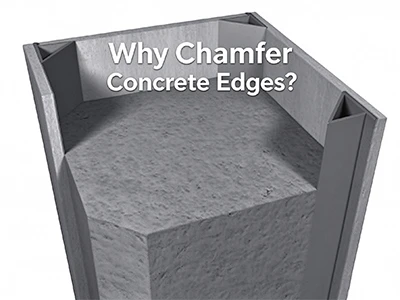
A concrete chamfer strip is a formwork accessory installed before casting to create a beveled edge directly on the precast concrete element. Instead of cutting or grinding the edge after demolding, the required profile is formed as part of the casting process.
Where Chamfer Strips Go in the Formwork
You normally install chamfer strips along formwork corners, panel edges, openings, beams, columns, or other areas where a beveled edge is required. In precast concrete production, the strip must stay firmly in position during concrete pouring and vibration.
What Happens After the Concrete Cures
After curing and demolding, the chamfer strip leaves the required edge profile on the finished concrete element. This gives you a cleaner, more consistent edge and reduces additional finishing work.
Why a 90° Corner Needs Protection in the First Place
Sharp 90-degree concrete corners are more likely to chip during demolding, lifting, transport, and installation. A chamfer removes the fragile sharp edge and helps improve edge durability and appearance.
Types of Chamfer Strips: Complete Classification
Four materials cover most of what you'll find on a precast floor: PVC, rubber, urethane, and steel, each suited to a different pour.
PVC Chamfer Strips
You'll typically find PVC chamfer strips nailed into the inside corner of the formwork before the pour. Once the concrete sets and you strip the mold, the strip pulls free and goes back into the box for next time. PVC works on wood formwork as well as steel, since it doesn't rely on magnets, which makes it the standard pick for plants that aren't running all-steel tables.
Rubber Chamfer Strips
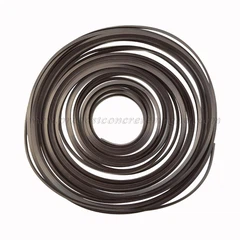
Rubber chamfer strips are magnetic-backed, flexible, and light enough to roll up for storage between pours. They run smaller and lighter than the steel or urethane options, which keeps them easy to handle on the floor. They're an easy, affordable choice for lighter production runs, though they don't hold up as well under heavy vibration as urethane or steel.
Urethane Chamfer Strips
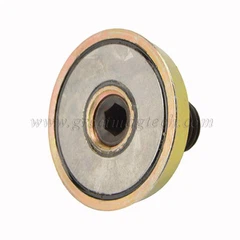
Urethane chamfer strips split the difference. They're magnetic like the rubber and steel versions, but the polyurethane body handles vibration better and won't pop loose the way rubber sometimes does. A softer version bends around curved work, like columns or lamp posts, while a firmer version holds a straight line.
Steel Chamfer Strips
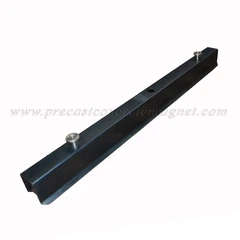
Steel chamfer strips give you the strongest hold and the longest service life of the four. Cold-rolled steel with neodymium magnets sealed in epoxy snaps onto a steel bed with no nailing at all, which makes them the default for high-volume plants running straight-line pours all day. The tradeoff is that steel can't follow a curve the way urethane can.

PVC Concrete Chamfer

Rubber Magnetic Chamfer

Magnetic Urethane Chamfer

Steel Chamfer Strips
|
Material |
Fixing Method |
Reusable |
Best For |
|
PVC |
Nailed to formwork |
Yes |
Wood or steel formwork, no magnets needed |
|
Rubber |
Magnetic |
Yes |
Lighter production runs |
|
Urethane |
Magnetic |
Yes, most vibration-resistant flexible option |
Curved edges, columns, pylons |
|
Steel |
Magnetic |
Yes, highest reuse count |
High-volume, straight-line production |
Where Are Chamfer Strips Used in Precast Concrete?
You'll find chamfer strips on nearly every precast element that has a corner, from wall panels and beams to stairs, architectural precast, and utility products, though the material you'd pick shifts with the piece.
Precast Wall Panels
Wall panels usually call for urethane or steel strips along the visible edges, since architectural panels get handled and stacked the most before installation, and a clean, consistent bevel matters for the finished look.

Concrete Beams and Columns
Beams and columns take the heaviest structural load at their corners, so you'll typically see steel strips here on high-volume runs, where the strongest, most repeatable bevel matters more than flexibility.
Precast Stairs
Stair treads and nosings chip constantly under foot traffic, which is exactly the failure a chamfer strip prevents, and PVC or rubber strips do the job without adding much cost per step.
Architectural Precast Elements
Architectural pieces with curves or circular profiles, like column covers or decorative panels, are where urethane earns its keep, since it's the one material here that bends around a radius.
Utility and Infrastructure Products
Box culverts, vaults, and other utility precast see less handling but plenty of outdoor exposure, so plants often default to whichever strip matches what's already set up on the formwork line.
How to Install a Chamfer Strip in Precast Formwork
Installing a chamfer strip follows the same basic sequence whether you're working with PVC, rubber, urethane, or steel, though the fixing method in step three is where the materials actually differ.
Step 1: Clean the Formwork Surface
Wipe down the inside face of the formwork before you place anything. Leftover concrete, release agent buildup, or dust keeps the strip from sitting flush, and a strip that isn't flush leaves a crooked or gapped bevel line once you pour.
Step 2: Mark the Chamfer Position
Measure and mark the exact line the strip needs to follow, matching your drawing or spec, before you fix anything in place. This matters most on panels with openings or embeds nearby, where a few millimeters off can throw the whole layout out.
Step 3: Fix the Chamfer Strip Securely
How you fix it depends on the material: magnetic strips just press onto a steel bed, PVC gets nailed or stapled through the tail, and either way you want full contact along the whole length, not just at the ends.
Step 4: Check Joints and Corners
Where two strips meet at a corner, cut the ends to match the angle instead of butting them square, or you'll get a gap that shows up as a notch in the finished edge.
Step 5: Pour and Vibrate the Concrete

Pour as usual, but keep the vibrator away from direct contact with the strip. Too much vibration right against it can shift a lightly fixed strip out of position before the concrete sets around it.
Step 6: Remove and Clean After Demolding
Once you strip the formwork, pull the strip free and wipe off any residue before it goes back into rotation for the next pour, whether it's magnetic, PVC, rubber, or urethane.
Common Mistakes When Using Chamfer Strips
Most chamfer strip problems trace back to one of a few avoidable mistakes, not a bad batch of strips, and knowing them ahead of time saves you a reject pile later.
Choosing a Strip Only by Size

Matching the bevel size to your spec matters, but size alone doesn't tell you whether the strip suits your formwork or your production volume. A strip that's the right dimension in the wrong material still causes problems, like a rigid steel strip sized correctly for a job that actually needs the flexibility of rubber or urethane.
Using Magnetic Chamfer on Unsuitable Surfaces
Magnetic strips only hold on to steel. Try one on a wood or aluminum form, and it won't stay put, no matter how strong the magnet is rated, so you'll want PVC or a nailed option instead.
Ignoring Surface Cleanliness
Skipping the cleaning step is an easy shortcut to take when you're behind schedule, and it's also the fastest way to end up with a strip that lifts mid-pour or a bevel line that wanders. A quick wipe-down before you fix the strip costs you a minute and saves a reject.
Poor Alignment Between Strip Sections
When one length of strip ends and another begins, a sloppy joint shows up as a visible step or notch once the form comes off, especially on longer panels that need more than one piece.
Using the Wrong Material for Curved Elements
Rigid steel doesn't bend, so forcing it around a curved form usually ends with gaps or a strip that pops loose. Urethane is built for exactly this kind of work, since the flexible body follows a radius that steel simply can't.
Continuing to Use Worn Chamfer Strips
A strip that's cracked, flattened, or losing its magnetic pull still looks usable, but it won't hold its shape under vibration anymore. Once the bevel it produces starts looking inconsistent, it's cheaper to replace it than to keep reworking rejected edges.
When Should You Use a Magnetic Chamfer Strip?
You should consider a magnetic chamfer strip when your precast production uses steel molds, steel side forms, or casting tables and you need fast, repeatable positioning. Unlike strips that require drilling, welding, or adhesive fixing, magnetic chamfers can be installed, removed, and repositioned more easily. They are especially useful for repetitive production, frequent mold changes, and projects that require consistent straight or shaped edges. If your plant wants to reduce setup time while keeping the chamfer position stable during casting, a magnetic chamfer strip is often a practical choice.
Conclusion
A chamfer strip helps you form cleaner, more consistent concrete edges directly during casting while reducing the risk of corner damage and extra finishing work. The right choice depends on your formwork, required profile, and production method. If you use steel molds or casting tables, magnetic chamfer strips can make positioning, removal, and repeated production more efficient. GME supplies steel, rubber, urethane, and PVC magnetic chamfer solutions for different precast applications. If you need help choosing the right chamfer strip for your mold or project, contact us for a suitable recommendation.
FAQ
Q: What is a chamfer strip used for in concrete?
A: A chamfer strip is used inside formwork to create a beveled or shaped edge on concrete during casting. It helps reduce sharp corners, edge damage, and extra finishing work.
Q: Where are chamfer strips installed?
A: Chamfer strips are installed along formwork corners, panel edges, openings, beams, columns, stairs, or other areas where you need a controlled concrete edge.
Q: What types of chamfer strips are available?
A: Common options on our site include PVC chamfer strips, rubber chamfer strips, urethane chamfer strips, and steel chamfer strips.
Q: When should I use a magnetic chamfer strip?
A: A magnetic chamfer strip is a good choice when you use steel molds, steel side forms, or casting tables and need quick installation, removal, and repositioning.
Q: Can magnetic chamfer strips be reused?
A: Yes. With proper cleaning and handling, magnetic chamfer strips can be reused for repeated precast production.
Q: How do I choose the right chamfer strip?
A: You should consider your formwork material, required edge profile, production volume, fixing method, and whether the strip needs to be straight or flexible.
Q: Do chamfer strips help reduce concrete edge damage?
A: Yes. By removing the fragile 90-degree corner, chamfer strips can help reduce chipping during demolding, lifting, transport, and installation.