




Lifting pin anchor failures in precast concrete usually result from a mismatch between the anchor, lifting clutch, concrete strength, reinforcement, load direction, and installation detail. Common failure modes include concrete breakout, anchor pullout, steel fracture, edge splitting, and clutch disengagement. Before lifting, you should inspect the anchor, confirm the concrete release strength, verify the lifting arrangement, and stop work if any damage or uncertainty is found.
Why Lifting Accessories Matter in Precast Concrete Projects
When you handle precast elements, the right lifting accessories help you move each piece safely while protecting the anchor, concrete, and surrounding structure.
Lifting Accessories Transfer Loads During Handling
During demolding, lifting, turning, storage, and installation, you depend on lifting accessories to transfer forces from the crane into the precast element. The system must suit the element's weight, shape, lifting angle, and center of gravity.
The Anchor Is Only One Part of the System
You should treat the lifting pin anchor as one part of a complete system. The lifting clutch, recess former, local reinforcement, rigging, and surrounding concrete must work together. A correctly rated anchor cannot compensate for an incompatible clutch or weak concrete.
Incorrect Accessory Selection Can Create Hidden Risks
If you choose accessories by appearance or price alone, you may overlook insufficient capacity, poor compatibility, incorrect embedment, or unsuitable load angles. Before lifting, you should verify the approved drawings, technical data, concrete strength, and inspection requirements.
What Is a Lifting Pin Anchor?
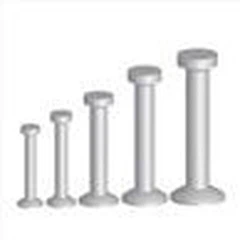
A lifting pin anchor is an embedded precast concrete lifting accessory that connects your element to compatible lifting equipment during handling and installation.

Main Components of a Lifting Pin Anchor System
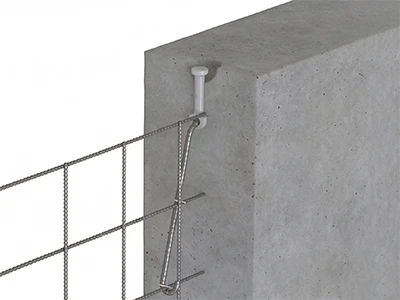
You typically use a lifting pin anchor, compatible lifting clutch, recess former, local reinforcement, and approved rigging. Each component must match the project drawings, load rating, and lifting method.
How the Load Travels Through the System
During lifting, force passes from the crane and rigging through the lifting clutch and pin anchor into the surrounding concrete. Reinforcement helps distribute this force through the precast element, so you should verify the anchor position, embedment, concrete strength, and lifting angle.
Lifting Pin Anchor vs. Other Precast Lifting Accessories
|
Product Keyword |
Main Function |
|
|
Embedded lifting connection |
|
|
Connects rigging to the anchor |
|
Recess Former
|
Creates access around the anchor |
|
|
Fixes temporary formwork components |
|
|
Forms protected concrete edges |


How to Choose the Right Precast Concrete Lifting Accessories
To choose a safe lifting system, you should evaluate the precast element, lifting conditions, concrete strength, and compatibility of every accessory together.
Start With the Element Weight and Center of Gravity
You should calculate the actual element weight, including temporary fixtures or attached materials. Identify the center of gravity and decide whether you will lift, rotate, tilt, or transport the element. These factors determine the load carried by each lifting point.
Consider the Concrete Element Geometry
Check the panel, beam, column, or stair dimensions before selecting an anchor. You should verify thickness, edge distance, anchor spacing, lifting direction, and available reinforcement. A suitable product must fit the element without weakening its edges or interfering with embedded items.
Confirm the Required Concrete Release Strength
You should not lift an element simply because it has reached a certain age. Confirm that the surrounding concrete has achieved the release strength specified by your engineer, project documents, or lifting-anchor manufacturer.
Match the Anchor and Lifting Clutch
Always use a lifting clutch designed for the selected lifting pin anchor. You should check the model, pin size, safe working load, locking method, and load direction. Similar-looking components are not automatically compatible.
Check the Project Environment
Finally, consider moisture, corrosion, repeated lifting cycles, storage conditions, transport distance, and local regulations. Request drawings, test information, installation instructions, and inspection requirements before purchasing.
What Causes Lifting Pin Anchor Failures?
You can prevent most lifting pin anchor failures by controlling concrete strength, installation details, lifting loads, and compatibility across the complete system.
Lifting Before the Concrete Reaches the Required Strength
If you lift too early, the concrete around the anchor may not resist tension, shear, or splitting forces. You should confirm the specified release strength before every lift, rather than relying only on curing time.
Insufficient Embedment Depth
An anchor installed too shallowly may pull out or produce a concrete breakout cone. You should check the embedment depth against the approved drawing before casting.
Inadequate Edge Distance or Anchor Spacing
If the anchor is too close to an edge, or several anchors are too close together, the surrounding concrete may split. You should verify both dimensions during production.
Missing or Incorrect Local Reinforcement
Without the required reinforcement, the anchor may not transfer its load safely into the precast element. You should check bar size, position, lap, and clearance around the anchor.
Incorrect Lifting Angle
A sloping or uneven lift can increase the force on individual anchors. You should follow the approved lifting configuration and avoid unplanned side loading.

Shock Loading and Sudden Movement
Sudden starts, stops, dragging, or collisions can create impact forces well above the static load. You should lift smoothly and keep the element clear of obstacles.
Incompatible Anchor and Lifting Clutch
A similar-looking clutch may not lock correctly or have the required capacity. You should use only the specified, compatible anchor and lifting clutch combination.
Common Lifting Pin Anchor Failure Modes
|
Failure Mode |
Typical Cause |
Visible Sign |
|
Concrete breakout |
Low strength, insufficient edge distance, overload |
Cone-shaped concrete damage |
|
Anchor pullout |
Insufficient embedment or poor installation |
Anchor movement or separation |
|
Edge splitting |
Incorrect edge distance or reinforcement |
Cracks extending toward the edge |
|
Steel fracture |
Overload, corrosion, wrong grade |
Cracked or broken steel |
|
Local concrete crushing |
Concentrated load or poor concrete quality |
Crushed concrete near the recess |
|
Clutch disengagement |
Wrong clutch or incomplete locking |
Slipping or unstable connection |
What Does a Failed Lifting Pin Anchor Look Like?
Before lifting, you should inspect the anchor, surrounding concrete, recess, and lifting clutch for visible signs of damage or incorrect engagement.
Cracks Around the Anchor
Look for radial, diagonal, or splitting cracks around the anchor. Cracks extending toward an edge may indicate excessive load, insufficient reinforcement, or inadequate edge distance.
Concrete Spalling or Breakout
If concrete has broken away, exposed the anchor, or formed a cone-shaped failure area, you should stop lifting immediately. Do not hide the damage with repair mortar.
Deformed or Corroded Steel
Check for bending, stretched sections, enlarged holes, surface cracks, or heavy corrosion. Any permanent deformation can affect the anchor's capacity and requires technical assessment.

Damaged Recess Former or Pocket
A cracked, crushed, or blocked recess may prevent the lifting clutch from seating correctly. You should clean and inspect the pocket before connecting the lifting equipment.
Incomplete Clutch Engagement
The clutch pin must enter fully and lock according to the manufacturer's instructions. If the clutch is loose, tilted, or difficult to lock, you should not lift the precast element. Isolate the unit and request an approved inspection.
How to Prevent Lifting Pin Anchor Failures
You can reduce lifting risks by controlling the design, production, inspection, equipment, and operating procedures as one coordinated process.
Follow the Approved Design Detail
You should install each anchor exactly as shown on the approved drawing. Do not change its position, embedment depth, spacing, or local reinforcement without engineering approval.
Use the Correct Lifting Clutch
Always use a lifting clutch that matches the anchor model, pin size, load rating, and locking method. Similar-looking accessories are not automatically compatible.
Verify Concrete Release Strength
Before lifting, you should confirm that the concrete has reached the specified release strength. Record the test result and link it to the correct precast element.
Inspect Each Anchor Before Lifting
Check for cracks, spalling, corrosion, deformation, blocked recesses, and other visible damage. If you find a defect, isolate the element and request a technical assessment.
Control the Lifting Operation
Lift smoothly and follow the approved angle and rigging arrangement. Avoid shock loading, dragging, sudden stops, collisions, and side pulling.
Train Production and Lifting Teams
You should train production, quality-control, crane, and installation teams to recognize defects, connect the clutch correctly, follow checklists, and stop work when conditions are unsafe.
Conclusion
Lifting pin anchor failures can put your precast products, workers, and project schedule at serious risk. You can reduce these risks by selecting compatible lifting accessories, following the approved design, confirming concrete release strength, and inspecting every anchor before lifting. If you need reliable lifting pin anchors, lifting clutches, or technical support, our team can help you choose the right system for your precast concrete elements. Send us your element weight, dimensions, lifting method, and project requirements to receive suitable product recommendations, technical drawings, and a competitive quotation.
FAQ
Q: What is the most common cause of lifting anchor failure?
A: Common causes include low concrete strength, insufficient embedment, inadequate edge distance, incorrect reinforcement, shock loading, and incompatible lifting equipment.
Q: Can I lift a precast panel with cracks around the anchor?
A: No. Stop the lift, isolate the panel, and request an assessment from a qualified engineer or the anchor supplier.
Q: Can different lifting clutches be used with the same anchor?
A: Only when the manufacturer confirms compatibility. Similar dimensions do not guarantee correct locking or safe capacity.
Q: How strong must concrete be before lifting?
A: The concrete must reach the release strength specified by the project engineer, approved drawings, or anchor manufacturer.
Q: What causes concrete breakout around a lifting anchor?
A: Breakout can result from overload, low concrete strength, shallow embedment, insufficient edge distance, poor reinforcement, or an incorrect lifting angle.
Q: Can a Damaged Lifting Pin Anchor Be Reused?
A: No. A cracked, deformed, corroded, or concrete-damaged anchor should be removed from service until a qualified professional provides written approval.