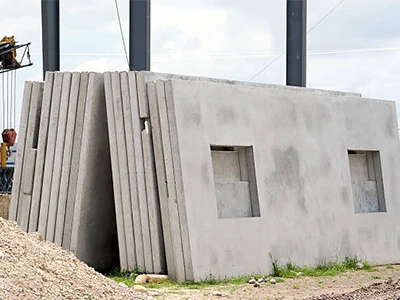


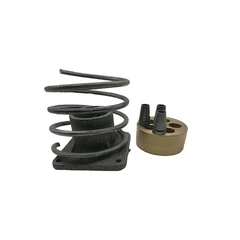

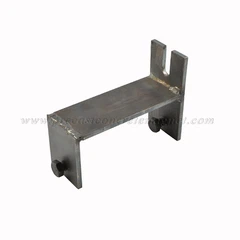
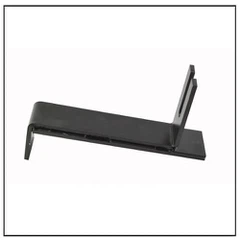


When you produce precast concrete, sharp 90-degree corners are often the first areas to chip during demolding, lifting, transport, and installation. That is why you chamfer concrete edges. A formed chamfer protects vulnerable corners, makes formwork release easier, reduces patching and grinding, and gives your panels, beams, columns, and stairs a consistent profile. It does not increase concrete compressive strength or replace structural design, but it can improve production quality and handling reliability. In this guide, you will learn why chamfered edges matter, how they affect precast formwork, and how to select the right chamfer strip for your production needs.
What Does Chamfering Mean in Precast Concrete?
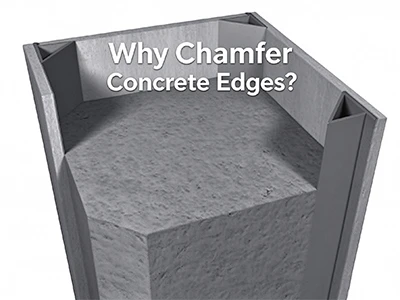
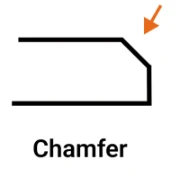
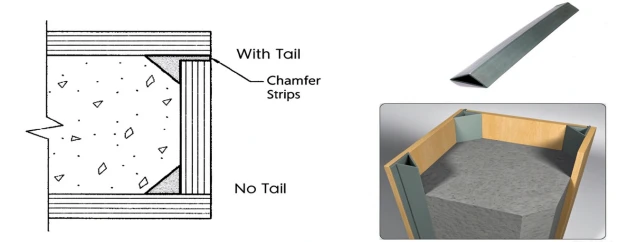
In precast production, you use chamfering to replace a fragile, sharp corner with a controlled profile formed inside the mold.
Chamfered Edge vs Sharp 90-Degree Edge
A chamfered edge has a flat angled face, often 45 degrees, while a sharp 90-degree edge meets at a pointed corner. You usually get better demolding, handling protection, and finish consistency with the chamfered option.
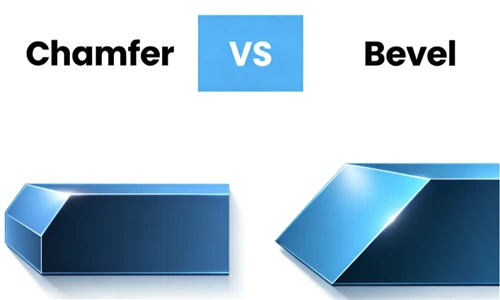
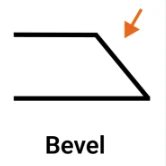
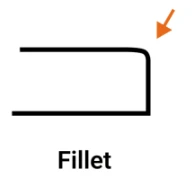
Chamfer, Bevel, and Fillet: What Is the Difference?
|
Profile |
Meaning |
Precast Use |
|
|
Flat angled cut along an edge; you form it with a chamfer strip. |
Protects corners and creates repeatable shadow lines. |
|
|
Sloped edge with a project-specific angle or width; confirm drawings before ordering. |
Suits custom architectural profiles and special formwork. |
|
|
Rounded transition rather than a flat face. |
Used when your design requires a radius instead of a straight chamfer. |
Why Are Sharp Concrete Edges More Vulnerable to Damage?
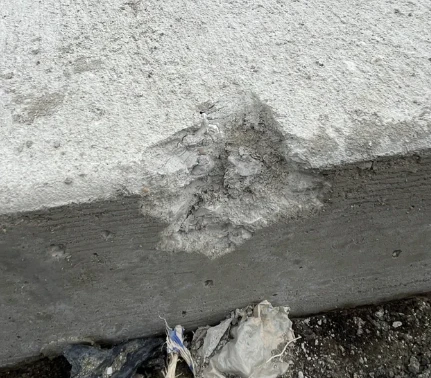
Although sharp concrete corners may appear clean and precise after casting, they are often the weakest part of a precast element and are more likely to be damaged throughout the production, handling, and installation process.
Edge Chipping During Demolding
When you remove a precast element from the mold, sharp corners are more likely to chip or crack due to stress concentration at the edge. Even minor damage can affect the appearance and quality of the finished product.
Damage During Lifting and Transportation
During lifting, stacking, and transportation, concrete edges can easily come into contact with lifting equipment, spacers, or other precast components. Sharp corners have less resistance to impact and are more prone to breaking.
Impact During Installation
On-site installation often involves moving and positioning heavy concrete elements. Accidental contact with adjacent panels, structures, or equipment can cause corner damage, especially on unprotected sharp edges.
Increased Repair and Maintenance Costs
Damaged corners often require patching, grinding, or cosmetic repairs before delivery. By reducing edge damage, you can minimize rework, save labor costs, and improve overall production efficiency.
Why Are Concrete Edges Chamfered?
When you chamfer concrete edges, you protect your precast products, simplify production, and achieve a cleaner finish during handling and installation.
To Reduce Chipping During Demolding
Sharp 90-degree corners are vulnerable when you remove a concrete element from its formwork. A chamfer removes the weakest part of the corner, helping you reduce chipping, spalling, and repair work after demolding.
To Improve Handling and Transportation
You may move precast panels, beams, columns, or stairs several times before installation. Chamfered edges are less likely to suffer direct impact during lifting, stacking, loading, and transportation.
To Improve Appearance
A consistent chamfer gives your concrete products a clean, intentional edge. It can also create a uniform shadow line that improves the appearance of architectural panels, columns, beams, and other visible surfaces.
To Create a More Consistent Joint or Finish
When neighboring precast elements meet, chamfered edges can create a clearer joint or decorative detail. You should still follow the approved drawings, because an incorrect chamfer may affect sealing, reinforcement cover, or connection geometry.
How Are Concrete Chamfers Created?
You can create concrete chamfers with different strip materials, depending on your formwork, production volume, required finish, and preferred fixing method.
PVC Chamfer Strips
You can use PVC chamfer strips for economical, clean, and repeatable edge forming. They are lightweight and suitable for many standard precast applications.
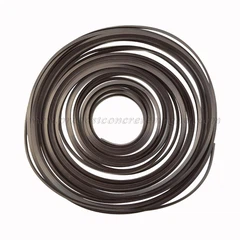
Rubber Chamfer Strips
Rubber chamfer strips offer flexibility and resilience. You can use them when the formwork has slight irregularities or when easy removal is important.
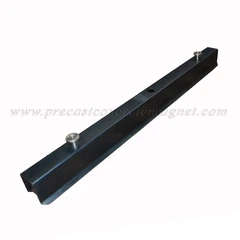
Steel Magnetic Chamfer Strips
Steel magnetic chamfer strips provide a durable, straight profile for steel formwork. Their integrated magnetic fixing helps you position, remove, and reuse the strips efficiently.
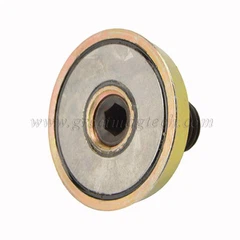
Urethane Magnetic Chamfer Strips
Urethane magnetic chamfer strips combine flexibility, abrasion resistance, and strong formwork attachment. You can choose them for repeated production where clean edges and long service life are important. Always match the strip profile and fixing method with your approved drawings.
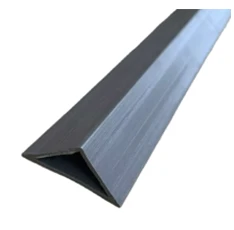
PVC Chamfer Strips
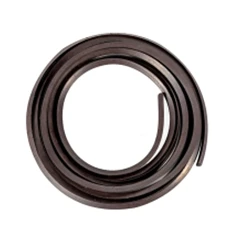
Rubber Chamfer Strips
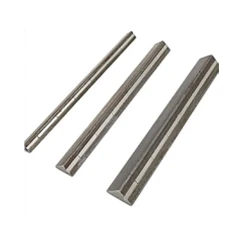
Magnetic Chamfer Steel
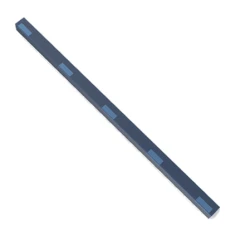
Magnetic Urethane Chamfer
Which Chamfer Strip Is Best for Precast Concrete Production?
The best chamfer strip for your precast factory depends on the formwork material, production volume, required edge profile, fixing method, and how often you need to reuse it.
|
Chamfer Strip Type |
Best For |
Main Advantages |
Points to Check |
|
PVC Chamfer Strip |
Standard precast production and cost-sensitive projects |
Lightweight, economical, easy to cut, and suitable for common profiles |
Usually requires adhesive or mechanical fixing and may deform under excessive heat or impact |
|
Rubber Chamfer Strip |
Irregular forms or applications requiring flexibility |
Flexible, resilient, and easier to remove from complex formwork |
May compress or deform if the profile is not adequately supported |
|
Steel Magnetic Chamfer Strip |
Steel forms and high-volume repetitive production |
Rigid, durable, straight, and easy to reposition with integrated magnets |
Your formwork must be clean and sufficiently magnetic for reliable holding force |
|
Urethane Magnetic Chamfer Strip |
Repeated production and demanding edge-finishing work |
Combines flexibility, wear resistance, and magnetic fixing for efficient reuse |
Usually costs more and requires the correct profile, surface, and cleaning method |
Best Practices for Achieving High-Quality Chamfered Edges
To get clean, consistent chamfered edges, you need to pay attention to the chamfer strip, formwork setup, and condition of the finished concrete.
Select the Correct Chamfer Material
Choose a chamfer strip that matches your formwork and production needs. For steel molds, magnetic chamfer strips can provide quick installation and consistent positioning.
Ensure Proper Formwork Alignment
Make sure the chamfer strip is straight and firmly positioned before casting. Poor alignment can result in uneven edges or inconsistent dimensions.
Clean Chamfer Strips Before Casting
Remove concrete residue, dust, and other debris from the strips before each casting cycle. A clean surface helps you achieve a smoother concrete edge.
Inspect Edge Quality After Demolding
Check the chamfered edges after demolding for chipping, cracks, gaps, or uneven sections. Early inspection helps you identify production problems quickly.
Replace Damaged Chamfer Strips Promptly
If a strip is worn, deformed, or damaged, replace it before the next casting cycle. Using damaged strips can affect edge quality and create repeated defects.
Conclusion
Chamfering concrete edges is more than an aesthetic choice. When you use the right chamfer, you can reduce corner chipping during demolding, protect edges during handling and transportation, improve the finished appearance, and make production more consistent. For precast plants, the right chamfer strip can also help reduce rework and save production time. If you are looking for a practical way to create clean, uniform chamfered edges, choosing a chamfer strip that matches your formwork and casting process is a good place to start. Explore your options and find the right solution for your next precast project.
FAQ
Q: Why are concrete edges chamfered?
A: Chamfering helps protect concrete corners from chipping during demolding, lifting, transportation, and installation. It also improves appearance and reduces sharp edges for safer handling.
Q: What is the most common concrete chamfer angle?
A: A 45° chamfer is very common in precast concrete. However, you should always follow the project drawings and your customer's specifications for the required angle and size.
Q: Does chamfering prevent concrete cracks?
A: Chamfering can reduce chipping and damage at concrete edges, but it does not prevent shrinkage cracks, load-related cracks, or cracks caused by foundation or structural problems.
Q: Is a chamfer strip necessary for precast concrete?
A: It depends on the design and project requirements. However, chamfer strips are particularly valuable for repeated production, steel formwork, and projects requiring consistent edge quality.
Q: What is the best chamfer strip for steel formwork?
A: For steel formwork, magnetic steel chamfer strips and magnetic urethane chamfer strips are practical options. They can be positioned quickly and reused across multiple casting cycles.
Q: Can you chamfer cured concrete?
A: Yes. You can cut or grind chamfers into cured concrete. However, for repeated precast production, installing a chamfer strip before casting usually gives you more consistent results with less rework.