





Choosing the right precast panel lifting clutch is essential for safe, efficient lifting, turning, and handling of precast concrete panels. When selecting a lifting clutch, ensure it matches the lifting anchorand system used for your precast element. Different lifting clutches, ring clutches, and anchor systems are designed for different lifting applications. In this guide, you will learn how to choose the right lifting clutch for your precast panels, how it works with lifting anchors, and what common selection mistakes you should avoid.
What Is a Precast Panel Lifting Clutch?
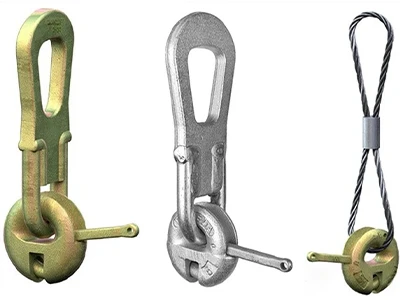
A precast panel lifting clutch is a reusable device that connects your crane or sling to a cast-in lifting anchor. It transfers the panel load safely through the anchor during handling and erection. To select the correct clutch, first identify the anchor type, load group, panel weight, and lifting direction. The clutch, anchor, and recess former must be matched.
How Does a Lifting Clutch Work?
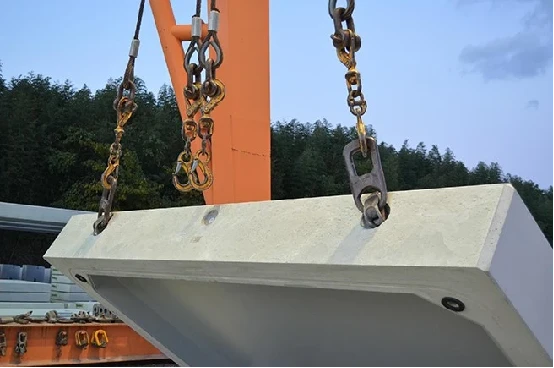
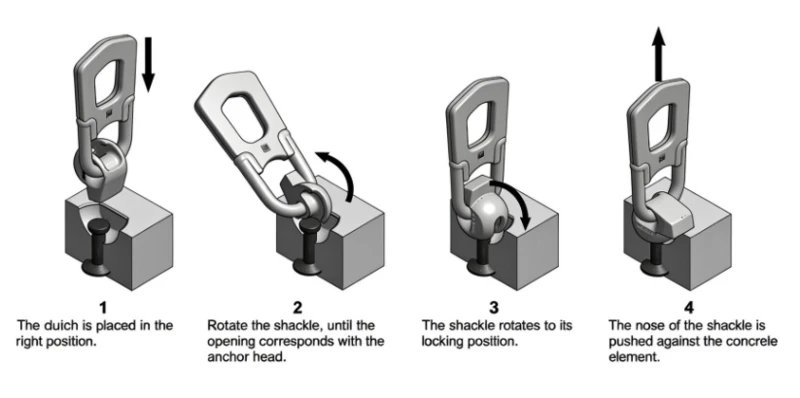
You place the clutch over the exposed anchor head, then engage the lock. When the crane takes the load, the clutch transfers force to the anchor while its bail allows controlled movement. Before lifting, check full engagement, concrete strength, and any damage.
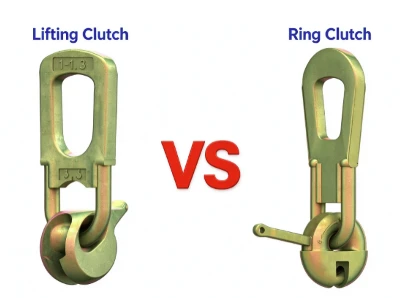
Lifting Clutch vs Ring Clutch
In precast work, a lifting clutch normally matches a spherical-head or pin anchor. A ring clutch is commonly used with flat or erection anchors. They are not automatically interchangeable. Always confirm compatibility with the product drawing or supplier before ordering.
What Types of Lifting Clutches Are Used for Precast Panels?
When you select a lifting clutch, first identify the anchor system embedded in your precast panel. GME supplies several clutch types for different anchor designs and lifting movements.
|
Lifting Clutch Type |
Compatible System |
Connection Design |
Suitable Applications |
What You Should Confirm |
|
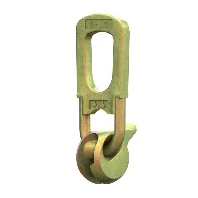
Lifting Clutch |
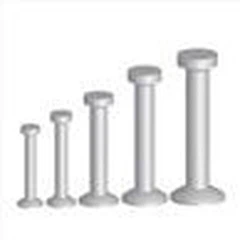
Pin Anchor Lifting System and spherical-head anchor |
A T-slot clutch head engages with the anchor head. The locking mechanism holds the connection during lifting. |
Precast wall panels, slabs, beams and other units requiring lifting, turning or tilting |
Anchor head shape, load group, recess former and clutch dimensions |
|
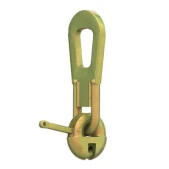
Ring Clutch |
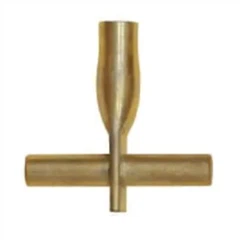
Flat Lifting System and compatible flat or erection anchors |
A clutch head connects to the flat anchor, while the shackle allows movement in different lifting directions. |
Thin panels, flat precast elements, edge lifting and turning applications |
Flat anchor type, recess shape, lifting direction and rated load |
|
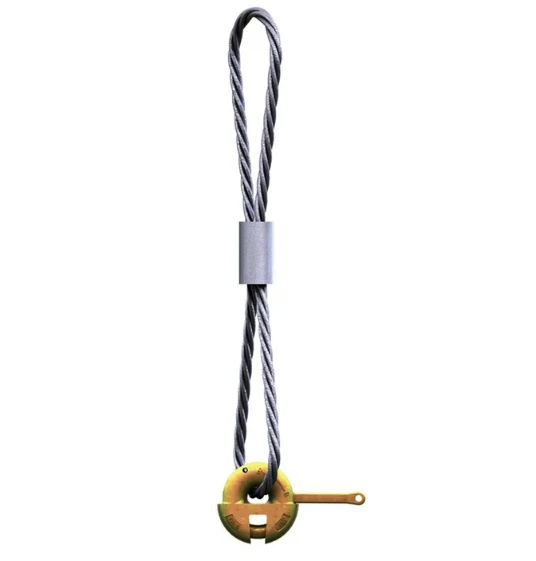
Cape Ring Clutch |
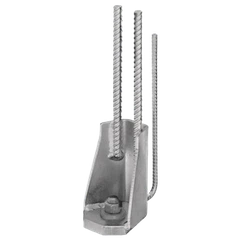
Compatible Cape Ring Anchor System |
A clutch body, curved bolt, and high-strength bail create the lifting connection. The curved bolt allows flexible movement. |
Precast panels and elements requiring directional flexibility during lifting or turning |
Cape anchor compatibility, curved-bolt engagement, load group, and product markings |
How to Choose a Lifting Clutch for Precast Panels
Before you order, check the anchor, lifting system, panel load, and planned movement together.
Choose the Lifting Clutch Based on the Lifting Anchor
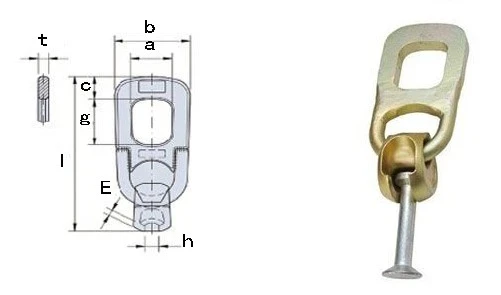
Start with the cast-in anchor. Use a spherical-head or pin anchor with a lifting clutch, a flat anchor with a ring clutch, and a Cape Ring anchor with its matching clutch. Different clutch heads are not interchangeable.
Match the Lifting Clutch with the Lifting System
Confirm that your clutch model matches the system's load group, recess former, and anchor dimensions. Check the rated capacity against your panel weight and the latest technical data.
Consider How the Precast Panel Will Be Lifted
Decide whether you will lift, turn, tilt, or edge-lift the panel. For multi-point lifting, check sling angles and choose a clutch that allows the required shackle movement.
Choose the Right Clutch for Precast Wall Panels
Check panel thickness, lifting-point location, edge distance, and rotation path. Send your panel weight, anchor model, and lifting method to your supplier for final confirmation.
How to Use a Lifting Clutch for Precast Panels
Use this sequence to connect, lift, and release your clutch safely. Inspect the clutch, anchor, recess former, and accessories for damage, wear, or concrete buildup. Insert the clutch into the anchor recess and lock it according to the manufacturer's instructions. Connect the hook or sling, then apply a light pre-load to confirm the clutch is seated. Keep workers clear of the panel. Lift smoothly within its rated capacity, without shock loading or sideways dragging. Release the clutch only after the panel is stable and supported, then inspect it before reuse.
Common Mistakes When Choosing Precast Panel Lifting Clutches
Avoiding these mistakes helps you order a clutch that matches your anchor system, lifting method, panel load, and site conditions.
Using the Wrong Lifting Clutch for the Anchor
Do not select a clutch by capacity alone. Match its head and locking mechanism with the exact cast-in anchor and load group. The wrong geometry may fail to lock securely during lifting.
Mixing Different Lifting Systems
Never connect clutches, anchors, recess formers, or accessories from different systems unless compatibility is confirmed by technical documentation. Even if parts look similar, their dimensions and load ratings may differ.
Choosing a Clutch Only by Appearance
A similar shape or finish does not prove compatibility. Check the model, dimensions, rated load, and manufacturer's drawings before purchase.
Ignoring How the Precast Panel Will Be Handled
Consider whether you will lift vertically, turn, tilt, or edge-lift the panel. Sling angles and lifting points can change the actual load.
Using a Damaged Lifting Clutch
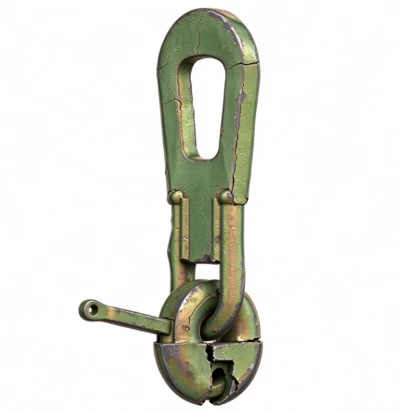
Inspect your clutch before every use. Replace it if you find cracks, bending, heavy wear, a damaged latch, or difficult locking. Do not repair it without approval.
Conclusion
Choosing the right precast panel lifting clutch starts with matching the clutch to your anchor, lifting system, load group, and handling method. When you check compatibility, capacity, panel geometry, and clutch condition, you reduce lifting risks and avoid costly delays. GME supplies lifting clutches, ring clutches, Cape Ring clutches, and compatible precast anchor systems for concrete manufacturers. You can send us your panel weight, anchor type, lifting points, and required quantity. Our team will help you confirm the model and provide drawings, specifications, and a quotation for your project.