






When lifting precast wall panels, choosing the right erection anchor is essential for safe handling and installation. But how do you know which anchor suits your panels? You need to consider more than panel weight. Panel thickness, lifting direction, concrete strength, and reinforcement also affect anchor selection. This guide explains the key factors to help you choose the right erection anchor for your precast wall panels and avoid common selection mistakes.
What Is an Erection Anchor for Precast Wall Panels?
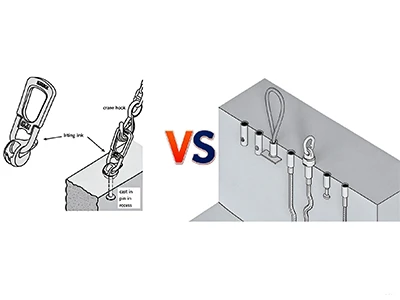
An erection anchor is a lifting insert embedded in a precast concrete wall panel. It provides a secure lifting point and transfers the lifting load from the panel to the crane through a compatible lifting clutch.
How Does an Erection Anchor Work?
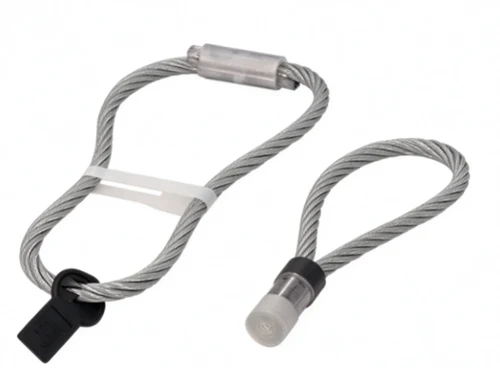
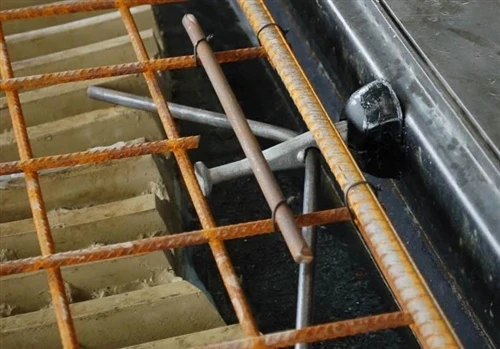
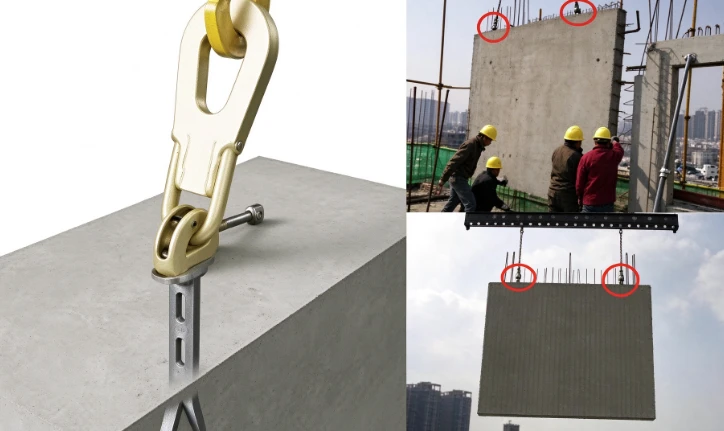
You install the erection anchor in the required position before casting the concrete. Once the concrete reaches the specified lifting strength, you attach a compatible Ring Clutch to the exposed anchor head. The crane then lifts the panel through this connection. The anchor transfers the load into the surrounding concrete and reinforcement.
When Are Erection Anchors Used?
You typically use erection anchors when lifting precast wall panels from the casting bed, rotating them from horizontal to vertical, or moving them into position for installation. They are especially important for thin, heavy, or large wall panels that require controlled edge lifting.
Different Types of Erection Anchors for Precast Wall Panels
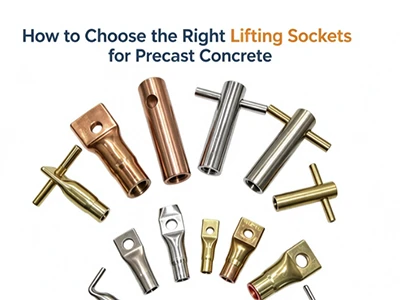
Different wall panel designs and lifting methods require different anchor structures. Understanding their features helps you narrow down the right option for your production needs.
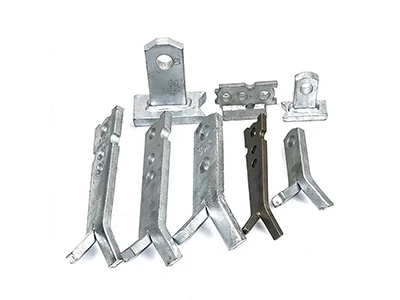
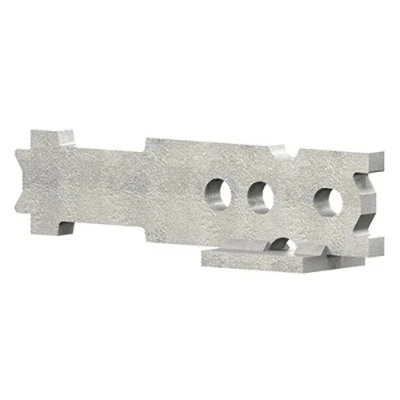
Tech Erection Anchor with Shear Plate
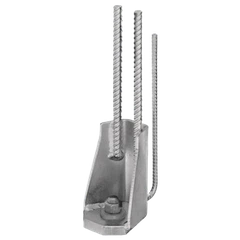
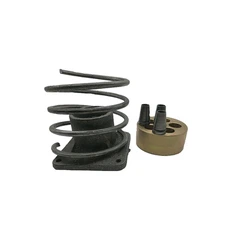
This version features a shear plate to help transfer shear forces during lifting. It is designed for precast lifting applications where additional shear support is required. Check the anchor dimensions and reinforcement requirements before selection.
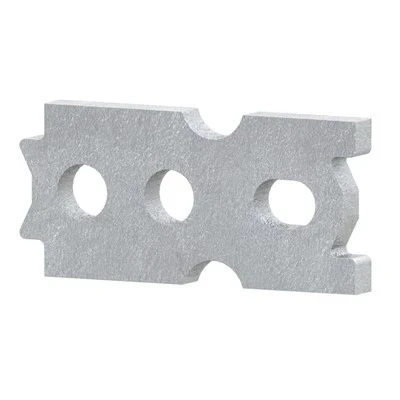
Tech Erection Anchor
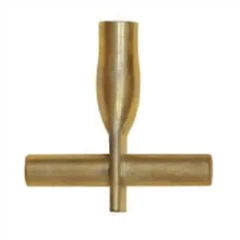
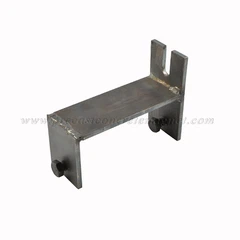
Its compact steel profile makes it suitable for specific precast lifting applications. Check its dimensions and compatible Ring Clutch before selecting it.
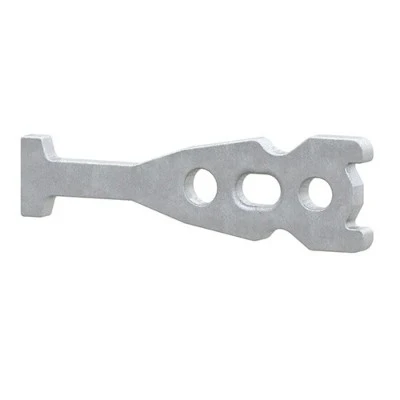
Erection Head Anchor
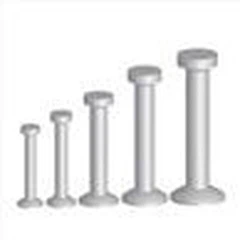
Features a specially shaped lifting head for clutch engagement during panel lifting and rotation.
Forged Erection Anchor
Designed for horizontal-to-vertical edge lifting of thin-walled precast elements. Its forged head features two ears that help transfer shear loads and prevent the Ring Clutch from contacting the concrete. A shear bar is required.
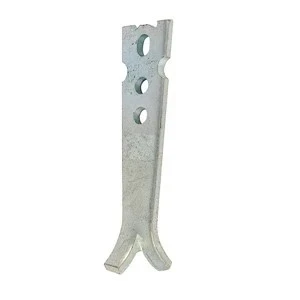
Split Foot Erection Anchor
Features two ears on the anchor head to prevent the Ring Clutch from contacting and damaging the concrete surface. The ears transfer shear loads into the anchor and surrounding concrete. A shear bar is required, while a tension bar may be needed for higher tension capacity.
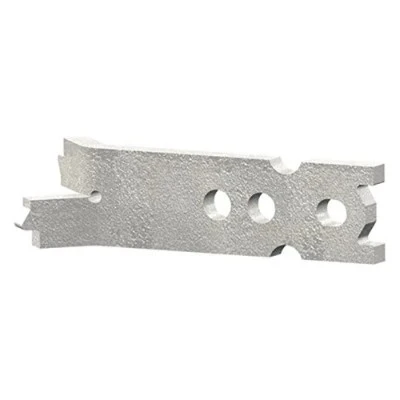
6 Factors to Consider When Choosing an Erection Anchor
Choosing the right erection anchor requires more than checking its rated capacity. You also need to consider your wall panel design, lifting method, and compatible equipment.
1. Panel Weight and Required Anchor Capacity
Calculate your panel weight before selecting an anchor. Consider the number of lifting points, load distribution, sling angles, and dynamic effects. Do not assume each anchor carries an equal share of the total load.
2. Wall Panel Thickness
Check your panel thickness, anchor dimensions, and embedment depth. The anchor must fit within the concrete without interfering with the reinforcement.
3. Lifting Direction and Rotation
Determine whether you lift the panel vertically, from the edge, or rotate it from horizontal to vertical. Each method creates different load conditions.
4. Shear Plate and Tension Bar Requirements
Check whether your lifting design requires a shear plate, tension bar, or additional reinforcement to transfer the applied loads.
5. Concrete Strength
Confirm the concrete strength at the time of lifting. Your anchor selection must meet the specified requirements for the first lift.
6. Lifting Clutch Compatibility
Make sure your Ring Clutch matches the anchor head and lifting system. Never assume similar-looking components are interchangeable.
How to Select an Erection Anchor for Different Wall Panel Applications
Different wall panel designs have different lifting requirements. Use the following table to identify the key factors you should check before selecting an erection anchor.
|
Wall Panel Application |
Key Selection Considerations |
|
Thin Precast Wall Panels |
Choose an anchor with suitable dimensions and embedment depth. Check concrete cover and reinforcement clearance. |
|
Heavy Precast Wall Panels |
Check the required anchor capacity, lifting point layout, and load distribution. |
|
Insulated Sandwich Panels |
Consider insulation thickness, concrete wythe connections, and reinforcement requirements. |
|
Large Precast Wall Panels |
Evaluate panel weight, center of gravity, lifting point positions, and rotation method. |
|
Tilt-Up Wall Panels |
Focus on edge lifting, shear forces, panel thickness, and horizontal-to-vertical rotation requirements. |
Common Mistakes to Avoid When Selecting Erection Anchors
Even if you choose an anchor with a suitable rated capacity, other factors can affect lifting safety. Avoid these common mistakes when selecting your erection anchors.
Choosing an Anchor Based Only on Its Rated Capacity
Don't select an anchor based only on panel weight. You also need to consider load distribution, sling angles, lifting direction, and dynamic effects.
Ignoring Panel Thickness and Edge Distance
Check the panel thickness, anchor embedment depth, and edge distance. Insufficient space can affect the anchor's performance and increase the risk of concrete damage.
Overlooking Shear and Tension Reinforcement
Follow the manufacturer's reinforcement requirements. Missing or incorrectly positioned shear and tension bars can reduce the anchor system's load resistance.
Using Incompatible Lifting Clutches
Always use a Ring Clutch designed for your anchor system. A similar-looking clutch does not mean it is compatible.
Ignoring Concrete Strength at First Lift
Check the actual concrete strength before lifting. Your panel must reach the specified minimum strength for the selected anchor system and lifting conditions.
Conclusion
When selecting the appropriate lifting anchors for precast wall panels, it is essential to consider factors such as the panel's weight, thickness, lifting orientation, concrete strength, and reinforcement details. A well-suited anchoring system ensures safe and efficient handling of wall panels throughout the entire production and installation process. GME offers a wide range of lifting anchors designed for precast concrete elements. Please share your wall panel drawings, specifications, and lifting requirements with our team; we will assist you in selecting the optimal anchoring solution for your project.
FAQ
Q: What type of erection anchor is best for thin precast wall panels?
A: Split Foot Erection Anchors and Tech Erection Anchors may be suitable for thin wall panels, depending on their thickness, weight, and lifting method. Check the required embedment depth and reinforcement space before selecting a model.
Q: Can erection anchors be used to lift wall panels from horizontal to vertical?
A: Yes. Many erection anchors are designed for horizontal-to-vertical lifting. However, you must check the anchor's approved lifting directions, shear capacity, and reinforcement requirements for the rotation process.
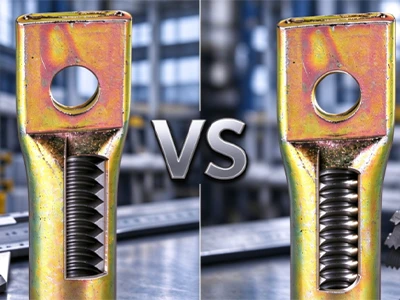
Q: What is the difference between an erection anchor with and without a shear plate?
A: An erection anchor with a shear plate provides additional support for transferring shear forces into the surrounding concrete. An anchor without one relies on its own design and specified reinforcement to resist the applied loads.
Q: Does every erection anchor require additional reinforcement?
A: Not every anchor requires the same reinforcement. Some models need additional shear bars or tension bars, depending on the anchor design, lifting direction, panel thickness, and load conditions. Always follow the manufacturer's installation instructions.
Q: How do you determine the required anchor capacity for a precast wall panel?
A: Start with your panel weight, then consider the number of lifting points, load distribution, sling angles, and dynamic effects. The final anchor capacity must be verified against the actual lifting arrangement and design requirements.
Q: Can the same lifting clutch be used with different erection anchor systems?
A: Not necessarily. Different erection anchor systems may have different head shapes and dimensions. You should use a Ring Clutch specifically designed and approved for your anchor system.