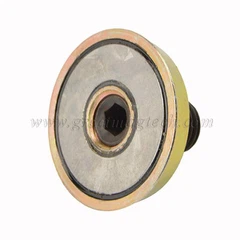
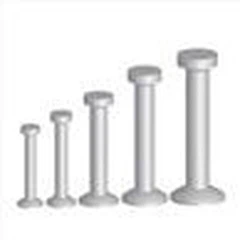


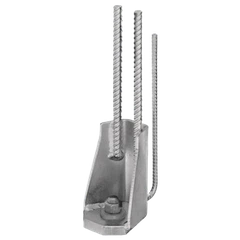
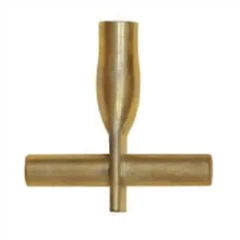



When choosing lifting sockets for precast concrete, you may come across Metric (M) and Rd (Round) threads. Although they are used in threaded lifting systems, their thread profiles differ, and they are not always interchangeable. Choosing the wrong thread type can cause compatibility problems with your existing lifting loops or lifting eyes. So, how do you know which one is right for your project? This guide explains the key differences between Metric and Rd threads, how to check compatibility, and what you should verify before ordering lifting sockets.
What Are Metric and Rd Thread Lifting Sockets?
Metric (M) and Rd (Round) threads are two thread types used in precast concrete lifting sockets, each with different thread profiles and compatibility requirements.
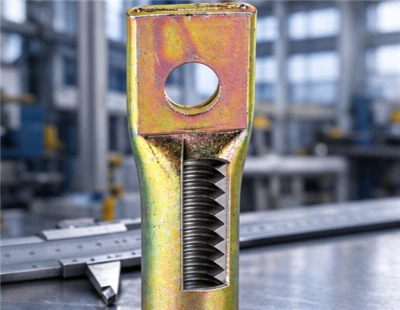
Metric (M) Threads on Lifting Sockets
Metric threads have a V-shaped profile and are identified by sizes such as M12, M16, and M20. They are used in threaded lifting sockets designed to connect with compatible lifting loops or lifting eyes. When choosing a Metric thread lifting socket, you should check the thread size, pitch, and lifting device specifications to ensure a proper fit. Not all Metric-threaded components are approved for lifting applications.
Rd Threads on Lifting Sockets
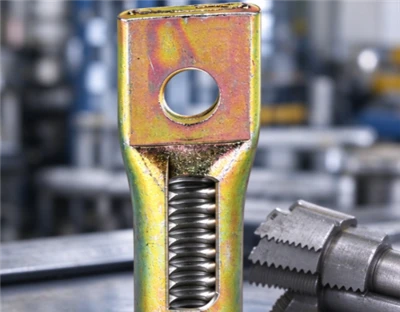
Rd threads feature a rounded profile and are commonly used in precast concrete lifting systems. GME offers Rd-threaded lifting sockets in sizes from Rd12 to Rd52 for applications involving precast walls, beams, and slabs. Before selecting a socket, you should check its thread size, rated lifting capacity, and compatibility with your existing lifting devices.
What Are the Key Differences Between Metric and Rd Threads?
Three differences decide which thread belongs in your order: tooth shape, size and pitch, and the application each serves.
Thread Profile and Shape
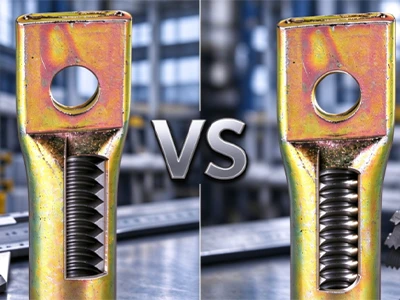
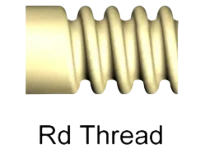
The metric tooth is a sharp V with a 60-degree angle. The Rd tooth rounds off the top and the base of each thread, so it rolls past concrete dust and rough handling instead of jamming. Precast lifting settled on Rd for this reason.
Thread Size and Pitch
Both families are sized by diameter in millimeters, so M16 and Rd16 both mean 16 mm. The numbers match; the threads do not. Metric follows the standard coarse bolt pitch, while Rd pitches run coarser, needing fewer turns to full engagement.
Applications in Precast Lifting Systems
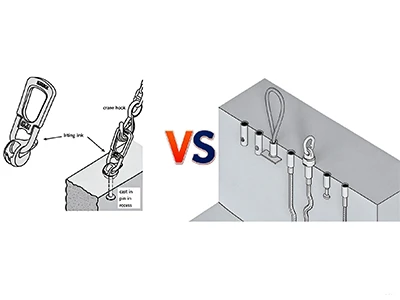
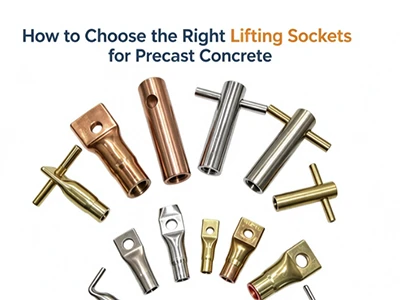
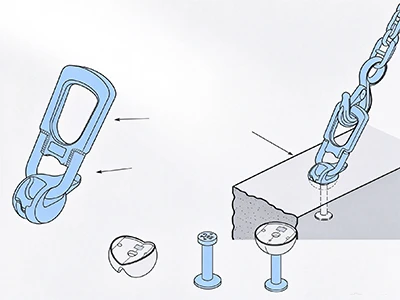
In precast plants, Rd sockets are the default: stocked from Rd12 to Rd52, they cover everything from wall panels to heavy beams. Metric sockets appear where the thread must match existing metric accessories or serve as a fixing point after the lift.
|
Difference |
|
|
|
Tooth profile |
Sharp V, 60 degree |
Rounded teeth |
|
Pitch |
Standard coarse bolt pitch |
Coarser, fewer turns to seat |
|
Common sizes |
M12 to M24, made to order |
Rd12 to Rd52, in stock |
|
Typical use |
Metric accessories, fixing after lifting |
Standard precast lifting systems |
|
Safe working load |
Per custom order spec |
500 to 12,500 kg |
|
Matching devices |
Metric eyes and loops |
Rd loops, swivel bolts |

What Should Buyers Check Before Ordering Lifting Sockets?
Before ordering lifting sockets for your precast concrete production, check the thread specifications, compatible lifting devices, and product requirements to avoid ordering the wrong components.
Confirm the Complete Thread Specification
Check whether you need a Metric (M) or Rd thread. Confirm the full thread designation, size, and relevant dimensions against the product drawing. Do not assume that M20 and Rd20 threads are interchangeable simply because their nominal sizes are similar.
Match the Socket with the Correct Lifting Device
Verify that your lifting socket is compatible with the lifting loop or lifting eye used in your precast lifting system. If you are replacing an existing component, provide its model or technical drawing to your supplier for confirmation.
Check Load Capacity and Application Requirements
Check the rated load of the selected lifting system and confirm that it suits your application. Consider the precast element, anchorage design, and applicable lifting conditions rather than selecting a socket based on thread size alone.
Verify Product Dimensions and Material
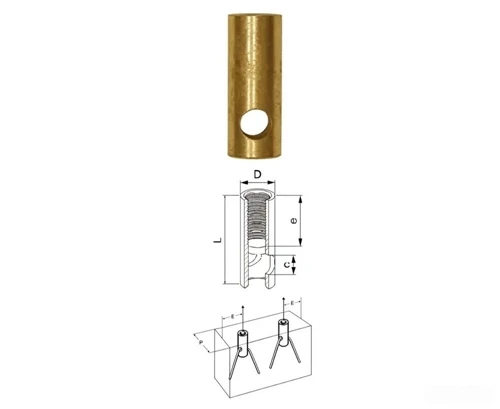
Confirm the socket length, diameter, installation dimensions, and required material. Check the available material and surface finish for your chosen GME product model.
How to Choose Between Metric and Rd Thread Lifting Sockets
Choosing between Metric and Rd thread lifting sockets depends on your existing lifting equipment, precast element requirements, and the specifications of the approved lifting system.
Match the Thread with Existing Lifting Equipment
If your precast factory already uses lifting loops or lifting eyes, check their thread type and specifications before ordering replacement sockets. Do not assume Metric and Rd threads are interchangeable based on their nominal sizes alone.
Consider the Requirements of Your Precast Elements
Consider the type and weight of your precast elements, such as wall panels, beams, or slabs. Check the required load capacity, anchorage design, and lifting conditions to identify a suitable socket.
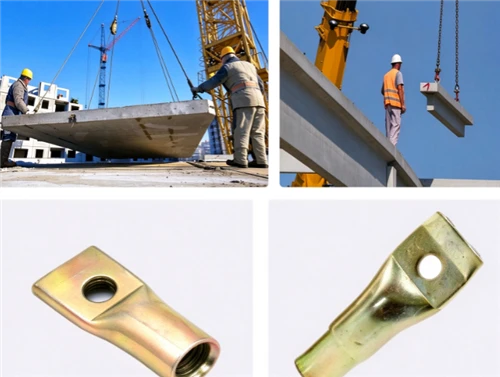
Always follow the approved lifting system requirements rather than choosing by thread size alone.
Confirm Product Specifications with Your Supplier
Before placing an order, provide your supplier with the required thread type, socket dimensions, lifting device model, and technical drawings if available. At GME, confirming these details helps you identify the appropriate product options and avoid ordering components that do not match your lifting system.
Conclusion
Choosing between Metric and Rd thread lifting sockets starts with understanding their differences and checking compatibility with your lifting equipment. Before ordering, verify the complete thread specification, lifting device model, load requirements, and product dimensions. If you need lifting sockets for your precast concrete production, GME offers a range of socket options to suit different applications. Share your required thread size, technical drawings, and project requirements with our team. We can help you check the available options and identify suitable lifting sockets for your precast lifting system.
FAQ
Q: Is Rd Thread the Same as Metric Thread?
A: No. Metric threads have a 60-degree thread profile, while Rd threads have a rounded profile. They use different thread specifications, so you should check the socket and lifting device requirements before selecting compatible components.
Q: Can an M20 Lifting Device Fit an Rd20 Socket?
A: Not necessarily. Some lifting systems allow specific Metric and Rd combinations, but compatibility depends on the manufacturer's design and approval. Always check the technical documentation for your exact lifting device and socket before use.
Q: How Can You Identify the Thread Type of an Existing Lifting Socket?
A: Check the product marking, technical drawing, or original specification for the thread designation, such as M20 or Rd20. If the marking is missing or unclear, provide the socket dimensions and photos to your supplier for identification.
Q: Does the Same Thread Size Mean Two Lifting Devices Are Compatible?
A: No. M20 and Rd20, for example, do not automatically match just because they share the number 20. Thread profile, pitch, engagement, and system approval all matter. Confirm compatibility before ordering or using lifting components.