





Choosing the right lifting sockets for precast concrete is essential for safe and efficient lifting. Different precast elements, such as wall panels, beams, and floor slabs, require different socket types and sizes. If you choose the wrong lifting socket, you may face installation difficulties, damaged concrete, or lifting safety risks. To make the right choice, you need to consider the element's weight, thickness, concrete strength, lifting angle, and anchorage requirements. This guide will help you understand the available lifting socket types and select the most suitable option for your precast concrete project.
What Types of Lifting Sockets Are Available for Precast Concrete?
Different lifting sockets have different anchorage designs, so you need to choose the right type based on your precast element's weight, thickness, and lifting requirements.
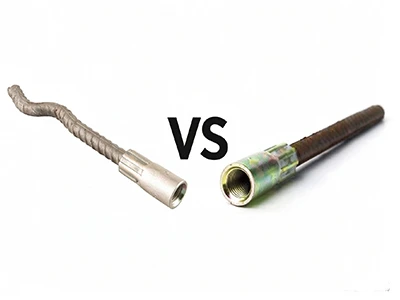
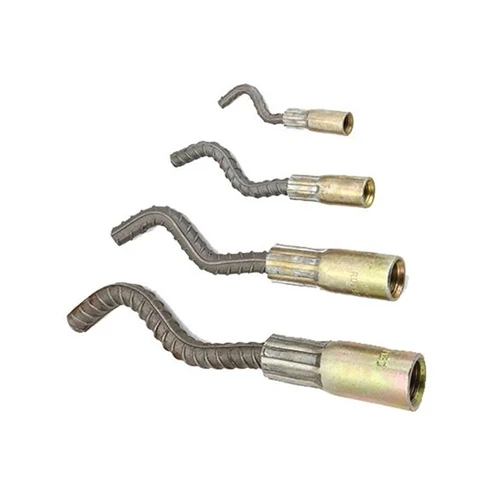
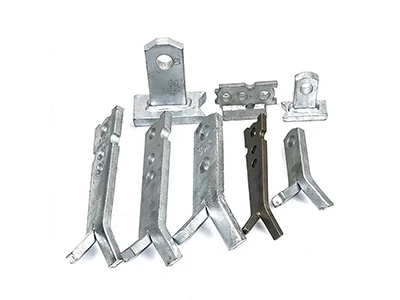
Lifting Socket with Bent End
This lifting socket features a bent end that provides anchorage within the concrete. You should check the available embedment depth, reinforcement, and load requirements before choosing it.
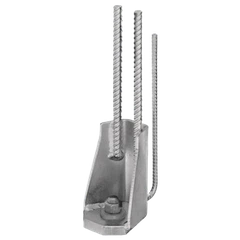
Wavy Tail Anchor
Wavy tail anchors have a wave-shaped steel tail that transfers lifting loads into the concrete. You can use them in suitable precast elements where sufficient anchorage space is available.
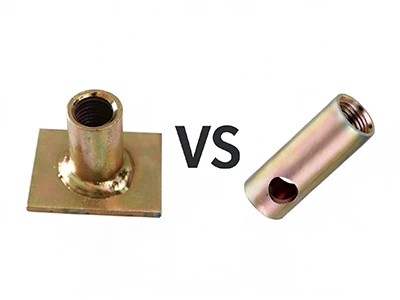
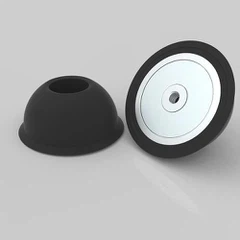
Flat Plate Lifting Socket
Flat plate lifting sockets feature a flat anchorage plate. If you produce thin precast panels or floor slabs, you can consider this type, provided the required concrete cover and load conditions are met.
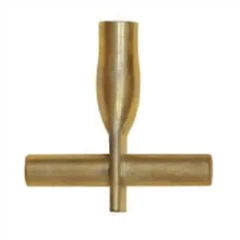
Heavy Duty Fixing Socket With Cross Pin
This socket features a solid body and cross pin for anchorage. You should verify its load capacity, reinforcement requirements, and lifting direction before selecting it for your precast elements.

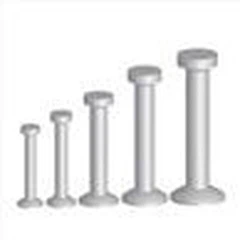
Lifting Sockets With Bent End

Wavy Tail Anchor

Flat Plate Lifting Socket

Heavy Duty Fixing Socket With Cross Pin
What Factors Should You Consider When Choosing Lifting Sockets?
When choosing lifting sockets for your precast concrete elements, you need to consider several factors to ensure they meet your lifting and installation requirements.
Weight and Load Capacity of the Precast Element
You should first determine the weight of your precast element and the load on each lifting point. Consider the number of lifting points and how the load is distributed. Choose lifting sockets with sufficient rated capacity for your actual lifting conditions.
Size and Thickness of the Precast Element
The thickness and dimensions of your precast element affect which lifting sockets you can use. For thin wall panels or floor slabs, check the available embedment depth, edge distance, and installation space.
Lifting Direction and Sling Angle
Lifting angles affect the forces acting on your sockets. If you need angled lifting or panel tilting, make sure your selected lifting socket system is approved for those loading directions.
Concrete Strength at the Time of Lifting
Before lifting, you must confirm that your concrete has reached the required strength. Lifting too early may cause cracking or anchorage failure.
Reinforcement and Anchorage Requirements
Different lifting sockets require different anchorage arrangements. You should check the required reinforcement size, placement, and anchorage details against the manufacturer's specifications before installation.
How to Choose the Correct Lifting Socket Size and Thread Type
When choosing lifting sockets, you need to check the thread size, load capacity, and compatibility with your lifting accessories to ensure a secure connection.

Common Lifting Socket Thread Sizes
Lifting sockets come in different thread sizes to suit various precast concrete applications. You can refer to the common sizes below:
|
Description |
S.W.L (KG) |
Length (mm) |
|
Rd12 |
500 |
40 |
|
Rd16 |
1200 |
54 |
|
Rd20 |
2000 |
69 |
|
Rd24 |
2500 |
78 |
|
Rd30 |
4000 |
103 |
|
Rd36 |
6300 |
125 |
|
Rd42 |
8000 |
145 |
|
Rd52 |
12500 |
195 |
|
Other lengths can be customized according to your needs |
||
|
Safety factor 3:1 |
||
|
Stainless steel SS304 and SS316 can also be customized according to requirements |
||
Metric Threads vs RD Threads
RD threads are commonly used in precast concrete lifting systems, while metric (M) threads are available for certain applications. At GME, you can request customized metric threads. Always confirm the thread type and dimensions before ordering, as RD and M threads are not interchangeable.

Matching Lifting Sockets with Lifting Loops and Lifting Eyes
Your lifting loops or lifting eyes must match the socket's thread type, size, and rated capacity. Check the manufacturer's compatibility requirements before lifting.
Which Lifting Socket Should You Choose for Different Precast Elements?
Different precast concrete elements require different lifting sockets, so you should consider their weight, shape, thickness, and lifting conditions before making your choice.
Lifting Sockets for Precast Wall Panels
For precast wall panels, you can consider wavy tail anchors or flat plate lifting sockets, depending on the panel thickness and lifting requirements. If your panels need to be tilted during demolding, check whether the selected socket system supports angled lifting.

Lifting Sockets for Precast Floor Slabs
If you manufacture thin floor slabs, flat plate lifting sockets may be a suitable option due to their compact anchorage design. Make sure there is enough space for proper reinforcement and concrete cover.
Lifting Sockets for Precast Beams and Columns
Beams and columns often require lifting sockets with suitable anchorage for their weight and geometry. You can consider wavy tail anchors or heavy-duty fixing sockets with cross pins, provided their rated capacities and installation requirements are met.
Lifting Sockets for Concrete Pipes and Drainage Products
For concrete pipes and drainage products, you should check the wall thickness, curved surfaces, and lifting point positions. Select sockets with an anchorage design suitable for the available concrete section.
What Are the Common Mistakes When Choosing Lifting Sockets?
Choosing the wrong lifting socket can lead to installation problems and safety risks, so you should avoid these common mistakes when selecting one for your precast elements.
Choosing Based Only on Load Capacity
A socket's rated capacity isn't the only factor to consider. You also need to check your element's dimensions, lifting points, and load distribution to ensure the socket suits your application.
Ignoring Socket Thread Compatibility
Using lifting loops or lifting eyes with the wrong thread size can damage the connection. Always check whether your socket uses RD or metric threads and select compatible lifting accessories.
Selecting the Wrong Anchorage Type
Different sockets require different anchorage arrangements. If you choose the wrong type, you may not have enough space for proper installation or reinforcement, especially in thin panels.
Overlooking Concrete Strength and Lifting Angles
Lifting before your concrete reaches the required strength can cause cracking or anchorage failure. You should also confirm that your socket is approved for the intended lifting angle.
Conclusion
Choosing the right lifting sockets for precast concrete requires more than checking their load capacity. You need to consider your precast element's weight, thickness, concrete strength, lifting angle, and anchorage requirements. Whether you're producing wall panels, floor slabs, beams, or concrete pipes, selecting the correct socket type and thread size helps ensure safe and efficient lifting. At GME, we offer a range of lifting sockets, including wavy tail anchors, flat plate lifting sockets, and heavy-duty fixing sockets. If you're unsure which type suits your project, contact us with your drawings and lifting requirements for product selection assistance.
FAQ
Q: How Do I Choose the Correct Lifting Socket Size?
A: You should consider your precast element's weight, thickness, lifting points, and concrete strength. Check the manufacturer's load ratings and specifications to select the correct size.
Q: What Is the Difference Between Wavy Tail and Flat Plate Lifting Sockets?
A: Wavy tail lifting sockets use a wave-shaped anchor embedded in concrete, while flat plate lifting sockets have a flat anchorage plate. Your choice depends on the element's thickness, reinforcement, and lifting requirements.
Q: How Much Weight Can a Lifting Socket Hold?
A: The load capacity depends on the socket type, size, concrete strength, and lifting conditions. Always check the manufacturer's rated capacity and installation requirements before use.
Q: Can Lifting Sockets Be Used for Angled Lifting?
A: Yes, some lifting sockets support angled lifting. However, you must check the manufacturer's permitted lifting angles and load limits before use.
Q: Which Lifting Sockets Are Suitable for Thin Precast Panels?
A: Flat plate lifting sockets are often considered for thin precast panels due to their compact design. You should confirm the minimum panel thickness, concrete cover, and reinforcement requirements.