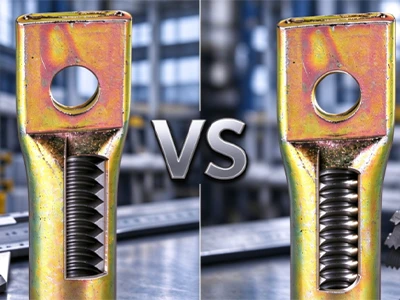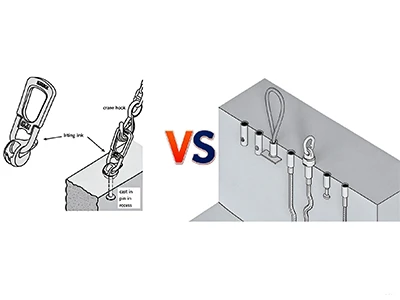






Choosing the right rubber recess former is important for your precast concrete production. It must match your lifting anchor in size, load group, and design to create the correct recess and allow proper lifting clutch connection. A mismatch can cause installation problems and affect your production process. So, what should you check before ordering? This guide covers the key factors to consider, including anchor compatibility, dimensions, fixing methods, and rubber quality, helping you select a suitable rubber recess former for your lifting anchor system.
What Is a Rubber Recess Former for Lifting Anchors?
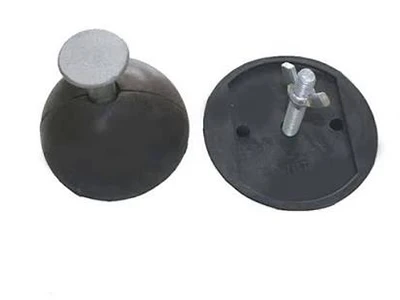
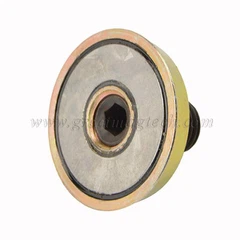
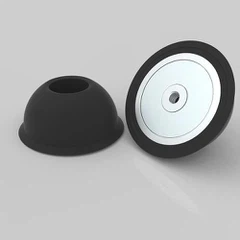
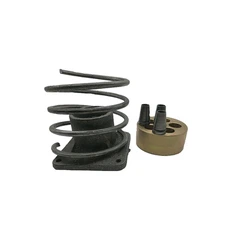
A rubber recess former is a reusable component used to position lifting anchors and create a recess in precast concrete elements. During production, you fit the lifting anchor into the rubber former and secure it to the formwork before pouring concrete. Once the concrete has cured and the former is removed, the recess provides access for the lifting clutch to connect to the anchor. For your Pin Anchor Lifting System, the GME rubber recess former uses a threaded stud and wing nut for fixing. Choosing the correct model helps ensure proper anchor positioning and clutch compatibility.
5 Key Factors to Consider When Choosing a Rubber Recess Former
Before ordering a rubber recess former, check these five factors to make sure it matches your lifting anchor system and production requirements.
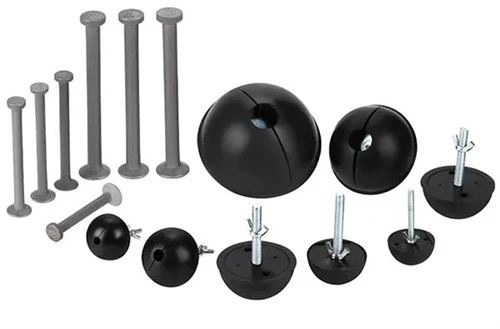
1. Match the Recess Former to Your Lifting Anchor Type
Start by checking the type and model of your lifting anchor. The recess former must match the anchor head and allow the lifting clutch to connect correctly. For a Pin Anchor Lifting System, choose a compatible rubber former rather than assuming different anchor systems use the same design.
2. Choose the Correct Load Group
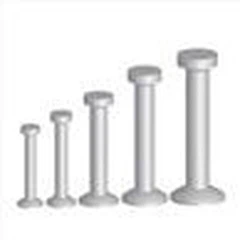
Rubber recess formers are available for different load groups, such as 1.3T, 2.5T, 5T, and higher capacities. Check the load group specified for your lifting anchor and select the matching former. Do not rely on color alone; always verify the product code and technical specifications.
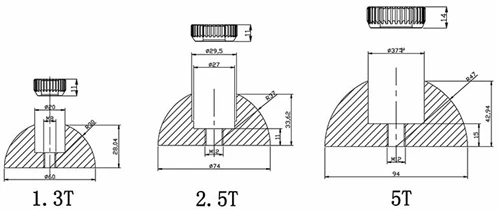
3. Check the Recess Former Dimensions
Check the former's diameter, height, and internal shape. These dimensions must accommodate your lifting anchor and create enough space for the lifting clutch. If you are replacing an existing former, compare its product code or dimensions before ordering.
4. Select the Right Fixing Method for Your Formwork
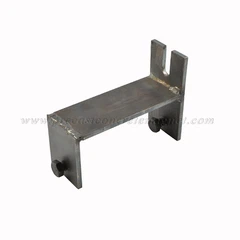
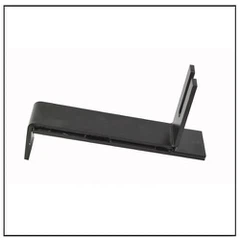
Check how the former attaches to your formwork. The GME rubber recess former uses a threaded stud and wing nut. Make sure your formwork has a suitable mounting hole and that the former can sit firmly against its surface.
5. Evaluate Rubber Quality and Reusability
Choose a rubber former that maintains its shape during repeated production. Check for cracks, deformation, and wear after each use. Regular cleaning and proper storage help you extend its service life and reduce replacement needs.
How to Install and Remove a Rubber Recess Former
Correct installation keeps your lifting anchor in position during concrete pouring and helps create a recess that fits the lifting clutch. Proper removal also keeps the former in good condition for repeated use, so follow each step carefully to avoid damaging the rubber or affecting the formed recess.
1. Prepare the Rubber Recess Former and Lifting Anchor
Before installation, check the rubber former for cracks, deformation, or concrete residue. Confirm that its model and load group match your lifting anchor. Clean the contact surfaces and apply a suitable release agent if required by your production process.
2. Fit the Lifting Anchor into the Recess Former
Open the rubber former and place the lifting anchor in the designated position. Make sure the anchor head sits correctly inside the former. Close the rubber body fully to prevent concrete from entering during pouring.
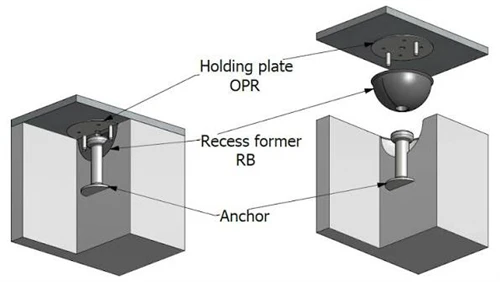
3. Secure the Former to the Formwork
Position the assembled former at the required location on the formwork. Pass the threaded stud through the mounting hole and tighten the wing nut to hold it firmly against the formwork surface.
4. Check the Installation Before Concrete Pouring
Check that the anchor is correctly positioned, the rubber former is fully closed, and the wing nut is tight. Make sure the former sits flush against the formwork and will not move during concrete pouring or vibration.
Removing the Rubber Recess Former
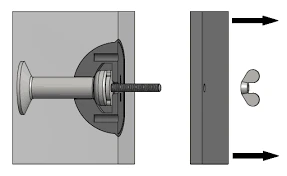
After the concrete reaches the required demoulding strength, loosen the wing nut and remove the fixing stud as applicable. Carefully open the rubber former and release it from the concrete recess. Avoid using sharp tools or excessive force, as these may damage the rubber. Remove any concrete residue and inspect the former for cracks or deformation before storing it for the next use.
Common Mistakes When Choosing and Using Rubber Recess Formers
Small selection and installation mistakes can cause problems during precast concrete production. Before using a rubber recess former, watch out for these common issues:
Choosing by Load Group Alone
Selecting a former based only on its load group without checking lifting anchor compatibility can result in a poor fit.
Ignoring Dimension Compatibility
Incorrect dimensions may prevent the anchor from fitting properly or leave insufficient space for the lifting clutch.
Incorrect Formwork Fixing
If the fixing method does not suit your formwork, the former may shift during concrete pouring.
Incomplete Closure Before Pouring
A former that is not fully closed may allow concrete to enter and affect the recess shape.
Poor Maintenance
Leaving concrete residue on the rubber can cause buildup and increase wear over time.
Reusing Damaged Formers
Cracked or deformed formers may not hold their shape or fit correctly. Replace them when they can no longer provide reliable performance.
Conclusion
Choosing the right rubber recess former helps you position your lifting anchors correctly and maintain a consistent precast concrete production process. Before ordering, check the anchor type, load group, dimensions, and formwork fixing method to ensure the former fits your existing system. Proper installation, cleaning, and regular inspection also help you get more use from each former. If you need a replacement or are selecting a former for a new production setup, contact GME with your lifting anchor model or technical drawings. We can help you identify a suitable rubber recess former for your requirements.
FAQ
Q: What Is the Purpose of a Rubber Recess Former in Precast Concrete?
A: A rubber recess former holds the lifting anchor in position during concrete pouring and creates a recess around the anchor. After removing the former, the recess provides access for the lifting clutch to connect to the anchor.
Q: Are Rubber Recess Formers Reusable?
A: Yes. Rubber recess formers can be reused when they remain in good condition. Clean them after each use and check for cracks, deformation, or excessive wear. Replace any former that no longer closes properly or maintains its shape.
Q: How Do You Choose the Correct Load Group for a Rubber Recess Former?
A: Check the load group of your lifting anchor system and refer to the manufacturer's product specifications. Make sure the rubber recess former matches the anchor model and its corresponding lifting clutch. Do not select a model based on color alone.
Q: How Is a Rubber Recess Former Fixed to the Formwork?
A: A GME rubber recess former uses a threaded stud and wing nut for fixing. Pass the stud through the prepared opening in the formwork, then tighten the wing nut to hold the former securely in position before concrete pouring.
Q: How Do You Remove a Rubber Recess Former After Concrete Casting?
A: Once the concrete reaches the required demoulding strength, loosen the fixing nut and carefully open the rubber former. Remove it from the recess without using excessive force or sharp tools that could damage the rubber.
Q: Can One Rubber Recess Former Fit Different Lifting Anchor Sizes?
A: Not necessarily. Rubber recess formers are designed for specific lifting anchor types and dimensions. Before using one former with different anchor sizes, check the manufacturer's compatibility specifications. Using an incorrectly matched former may affect anchor positioning and lifting clutch access.