





Lifting precast concrete safely starts long before the crane moves. If you use lifting loops in your precast factory, you need to check more than just the weight of the concrete element. Loop capacity, concrete strength, lifting angles, and proper installation all affect lifting safety.
A damaged loop or incorrect lifting setup can put your workers and precast elements at risk.
This guide explains how to choose, install, inspect, and use lifting loops safely, helping you avoid common mistakes during precast concrete production and handling.
What Are Lifting Loops in Precast Concrete?
Lifting loops provide lifting points for your precast concrete elements, with two common designs that work differently.
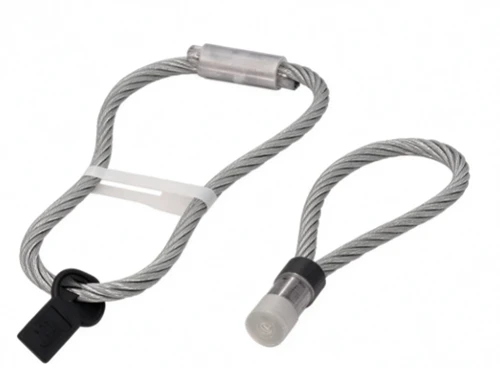
How Cast-in Lifting Loops Work
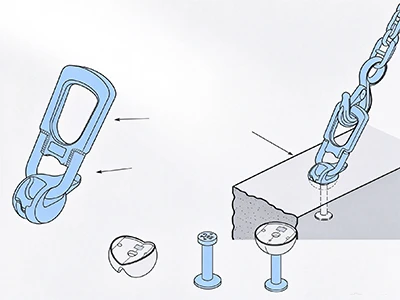
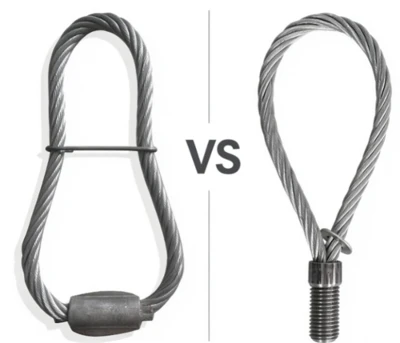
Cast-in lifting loops are made from steel wire rope with an anchored end embedded in concrete. Once the concrete reaches the required lifting strength, you can connect a suitable hook or shackle to the exposed loop and lift the element.
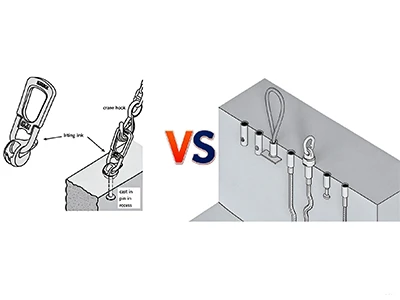
Cast-in vs. Threaded Lifting Loops
Cast-in lifting loops remain permanently embedded in your concrete element. Threaded lifting loops screw into compatible lifting sockets and can be removed after use. Your choice depends on the lifting system, load requirements, and production process.
How to Choose the Right Lifting Loops Before Lifting
Before lifting a precast element, you need to confirm that the lifting loops match its weight, lifting arrangement, and concrete conditions.
Check the Precast Element Weight and Lifting Points
Start with the actual element weight, including any attached components. Check the approved lifting point layout and load distribution. Uneven loads can put extra force on individual loops.
Understand Working Load Limit (WLL) and Lifting Angles
Each lifting loop has a rated Working Load Limit (WLL). Check the load on each loop, not just the total weight. Angled lifting increases tension, so follow the manufacturer's approved angle limits.
Check Concrete Strength and Lifting Loop Compatibility
Confirm that the concrete has reached the required lifting strength. Check the specified embedment, reinforcement, and hook compatibility. Never use a lifting loop outside its approved conditions.
How to Install Lifting Loops in Precast Concrete
Proper installation helps your lifting loops stay securely anchored and ready for safe handling after curing.
Step 1 - Position the Lifting Loops in the Formwork
Place each lifting loop at the location shown in your approved lifting plan. Check the spacing, edge distance, and position before casting.
Step 2 - Secure the Loops at the Correct Embedment Depth
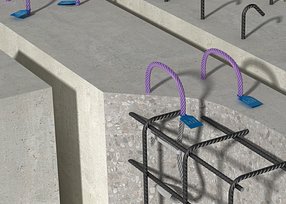
Follow the manufacturer's specified embedment depth and reinforcement requirements. Secure each loop so it cannot shift during concrete pouring.
Step 3 - Pour and Cure the Concrete
Pour concrete carefully around the embedded loops. Avoid moving or damaging them during vibration. Allow the concrete to reach the required lifting strength.
Step 4 - Inspect the Installed Loops Before Demolding
Check exposed loops for damage, displacement, or visible defects. Confirm the concrete strength before lifting.
Common Lifting Loop Mistakes and How to Avoid Them
Even small mistakes during installation or lifting can damage your precast elements or cause lifting failures. Here are the common problems to watch for.
|
Common Mistakes |
Potential Risks |
How to Avoid Them |
|
Exceeding the Working Load Limit (WLL) |
Overloaded loops may fail during lifting. |
Check the load on each loop, including angle and dynamic effects. |
|
Using incorrect lifting angles |
Side loading can exceed the loop's rated capacity. |
Follow the manufacturer's approved lifting directions and angle limits. |
|
Incorrect embedment depth |
The loop may pull out of the concrete. |
Follow the specified embedment depth and reinforcement requirements. |
|
Lifting before concrete reaches the required strength |
Concrete may crack or break around the lifting point. |
Verify the required concrete strength before demolding or lifting. |
|
Using damaged lifting loops |
Broken wires, corrosion, or deformation can reduce strength. |
Inspect exposed loops and reject damaged components. |
|
Using incompatible hooks or shackles |
Sharp bends or poor connections can damage the wire rope. |
Use lifting hardware that meets the loop manufacturer's requirements. |
|
Uneven load distribution |
One lifting point may carry more weight than expected. |
Check the center of gravity and use an approved lifting arrangement. |
Lifting Loop Inspection, Maintenance, and Replacement
Regular inspection helps you spot lifting loop damage before it puts your workers or precast elements at risk.
What to Check Before Each Lift
Before lifting, check the exposed wire rope for broken strands, corrosion, kinks, or flattening. Inspect the concrete around each loop for cracks or damage. Make sure the loop is securely embedded and its load rating is identifiable.
Also check that your hooks or shackles are free from damage and fit the loop correctly.
When Should a Lifting Loop Be Replaced?
If you find broken wires, severe corrosion, deformation, or loose anchorage, do not use the loop. Have the lifting point assessed by a qualified person.
For cast-in lifting loops, you cannot simply remove and replace a damaged loop. Use an approved alternative lifting method or engineered repair solution.
How to Select a Reliable Lifting Loop Supplier
When sourcing lifting loops for your precast factory, look beyond price. A reliable supplier should provide clear Working Load Limit (WLL) ratings, material specifications, test reports, and installation guidelines. Consistent quality matters, especially when you purchase in bulk.
At GME, we supply lifting loops for precast concrete production, with different sizes and load capacities to match your project needs. Whether you need standard products or bulk orders, our team can help you select suitable options.
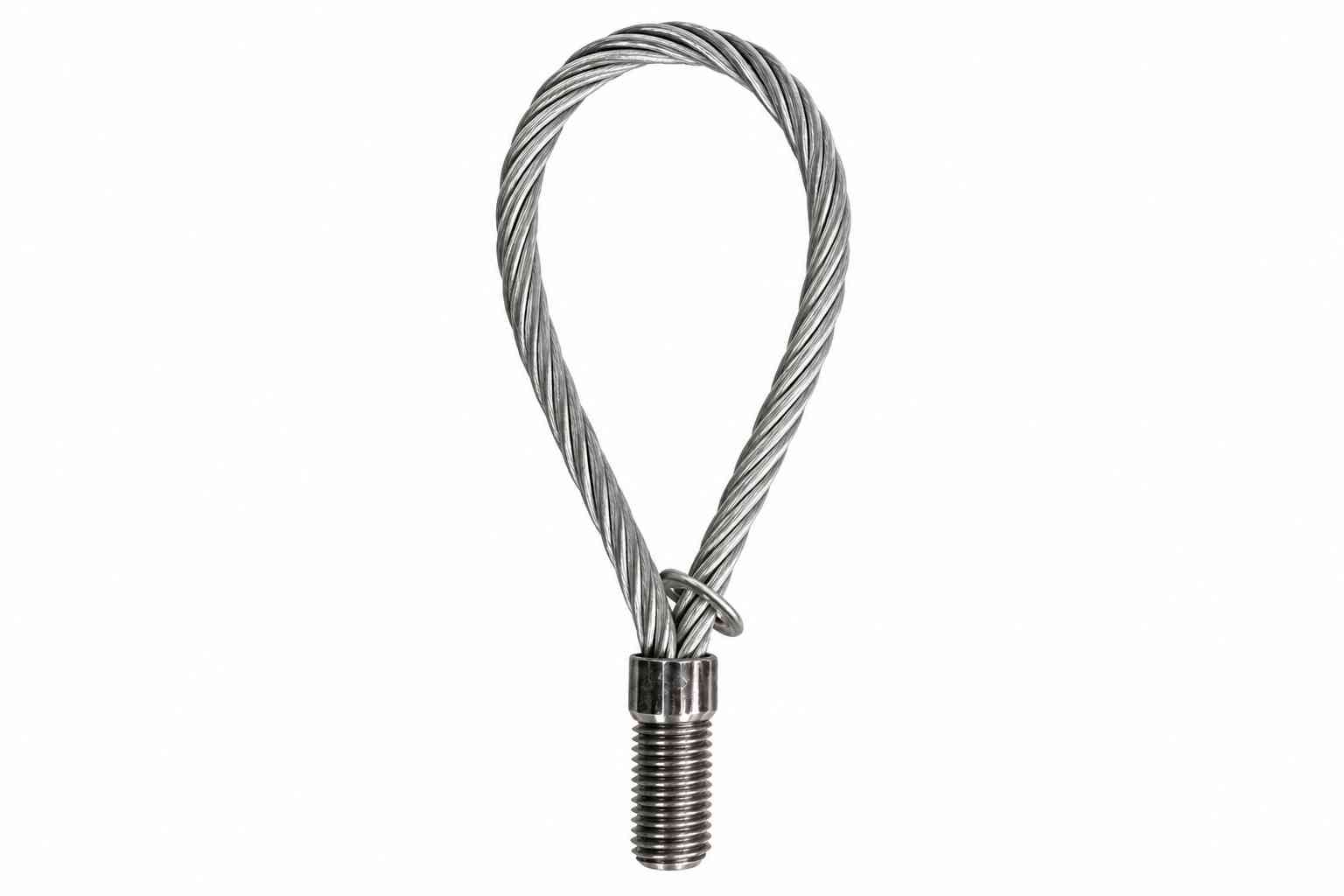
Wire Rope Lifting Loop for Precast Concrete
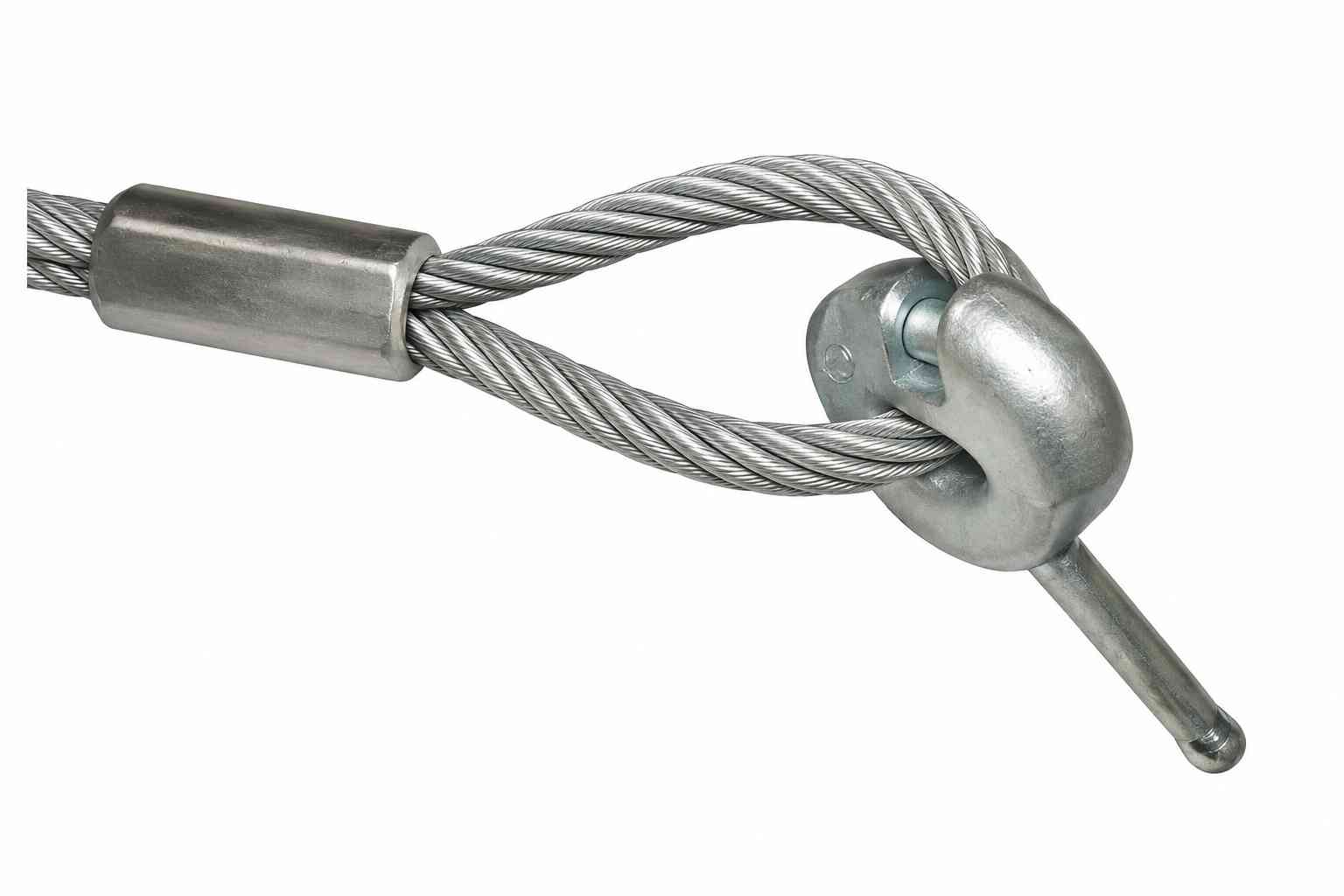
Special Lifting Loop for Precast System
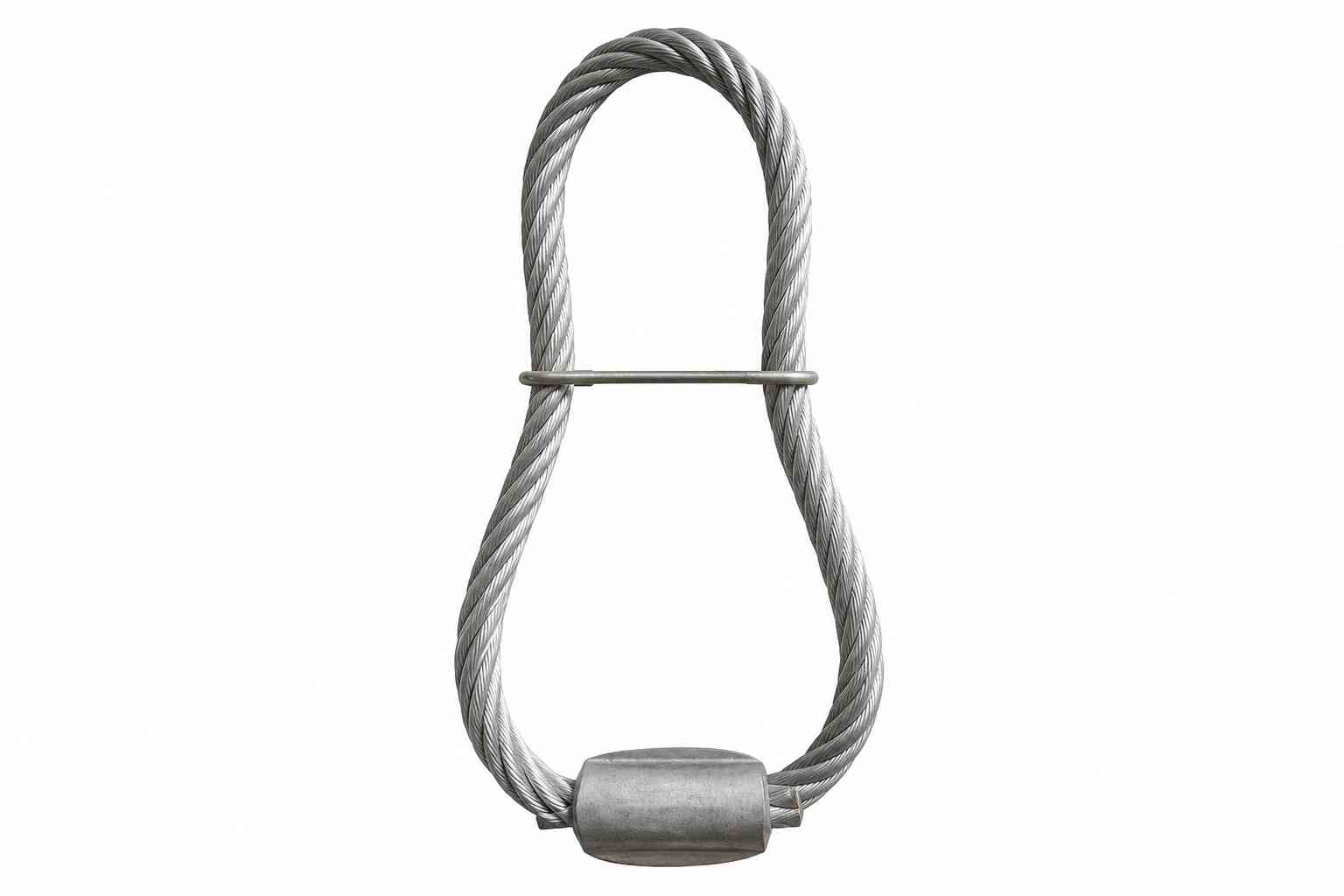
Cast-in Lifting Loops
Conclusion
Using lifting loops safely in precast concrete production comes down to proper selection, installation, and inspection. You need to check the load on each loop, follow the approved lifting angles, and make sure the concrete has reached the required strength before lifting.
Never ignore damaged loops, incorrect connections, or signs of cracking around lifting points. Even a small mistake can lead to serious lifting failures.
By following the manufacturer's instructions and your approved lifting plan, you can reduce risks, protect your workers, and handle precast concrete elements more safely.
Precast Concrete Lifting Loop FAQs
Q: Can lifting loops be reused in precast concrete?
A: It depends on the lifting loop type. Some systems allow repeated lifting of the same precast element, while others are designed for single-use applications. Always check the manufacturer's instructions.
Q: What is the minimum concrete strength required before lifting?
A: There is no single minimum strength for all lifting loops. The required strength depends on the lifting system, element design, and load. Always confirm that your concrete meets the specified lifting strength before demolding.
Q: Can lifting loops be used for angled lifting?
A: Yes, but only if the lifting loop is rated for angled loads. Angled lifting increases the force on each loop, so you must follow the manufacturer's approved angle and load limits.
Q: What is the difference between WLL and breaking load for lifting loops?
A: WLL (Working Load Limit) is the maximum permitted load under specified conditions. Breaking load is the force at which the lifting loop fails during testing. You should never use breaking load as the safe working limit.
Q: Can you use a lifting loop if the concrete around it is cracked?
A: No. Cracks near the lifting point may reduce its holding capacity. Stop lifting and have the concrete and lifting point assessed by a qualified engineer before use.
Q: Can lifting loops be used for repeated lifting of precast elements?
A: Some cast-in lifting loops can handle multiple lifting operations on the same element if the manufacturer permits it. Inspect the loop before every lift and follow any limits on repeated use.