




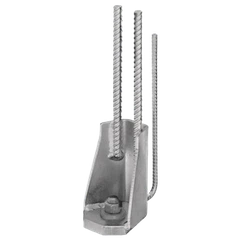


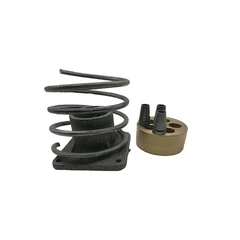

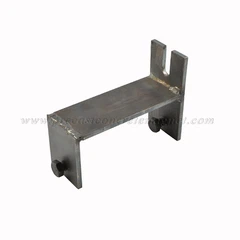



In the bustling world of construction and heavy lifting, understanding load capacity is paramount. From towering skyscrapers to intricate bridge constructions, the efficiency and safety of lifting operations hinge on the load capacity of lifting anchors. In this guide, we will unravel the complexities surrounding load capacity, offering insights into types, testing methods, safety considerations, and future trends in lifting anchor technology.
Introduction
A.Definition of Load Capacity
Load capacity, in the context of lifting anchors, refers to the maximum weight a lifting anchor can safely support. It is a critical factor that determines the feasibility and safety of lifting operations.
B. Importance of Understanding Load Capacity
For professionals in construction and related industries, a comprehensive understanding of load capacity is indispensable. It ensures the selection of appropriate lifting anchors and adherence to safety protocols.
Basics of Load Capacity
A. Explanation of Load Capacity in Lifting Anchors
Load capacity is influenced by various factors, including the type of lifting anchor, material strength, and design specifications. It's crucial to grasp these fundamentals to make informed decisions in lifting operations.
B. Factors Influencing Load Capacity
Understanding the nuances of load capacity requires consideration of factors such as anchor size, shape, and the material it will support. A deep dive into these variables enhances the overall comprehension of load capacity dynamics.
Types of Lifting Anchors
A. Overview of Different Types
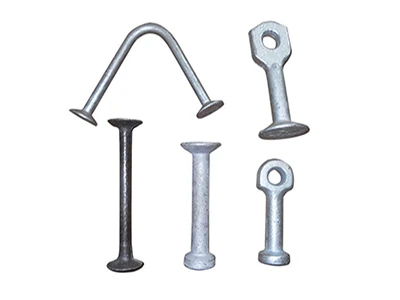
Lifting anchors come in various forms, including embedded anchors, plate anchors, and screw anchors. Each type has distinct load capacity characteristics, making it imperative to choose the right one for specific applications.

B. Load Capacity Variations Among Types
Differences in design and construction result in varying load capacities among different types of lifting anchors. This section will explore these variations, aiding professionals in selecting the most suitable anchor for their projects.
Determining Load Capacity
A. Testing Methods
Reliable methods for determining load capacity involve rigorous testing. From destructive testing to non-destructive methods, understanding these techniques provides valuable insights into the anchor's capabilities.
B. Industry Standards for Load Capacity Assessment
To ensure uniformity and safety across the industry, standards and guidelines govern load capacity assessments. Familiarity with these standards is essential for professionals engaged in lifting operations.
Safety Considerations
A. Importance of Adhering to Load Capacity Limits
Exceeding load capacity limits pose severe risks to both personnel and property. This section emphasizes the significance of strict adherence to load capacity guidelines to prevent accidents and ensure workplace safety.
B. Consequences of Exceeding Load Capacity
Explore the potential repercussions of surpassing load capacity limits. Real-life examples underscore the importance of cautious and responsible lifting practices.
Enhancing Load Capacity
A. Strategies for Improving Lifting Anchor Strength
For scenarios requiring increased load capacity, implementing specific strategies can enhance lifting anchor strength. This section offers practical tips for optimizing load capacity in lifting operations.
B. Innovations in Anchor Design for Increased Load Capacity
Stay abreast of the latest innovations in anchor design that contribute to heightened load capacity. Technological advancements continuously shape the landscape of lifting anchors, providing new possibilities for increased efficiency.
Case Studies
A. Real-World Examples Illustrating Load Capacity Challenges
Examining real-life case studies sheds light on the complexities and challenges associated with load capacity in lifting anchors. Learn from past experiences to better navigate similar scenarios.
B. Solutions Implemented for Successful Lifting Operations
Discover successful strategies employed in overcoming load capacity challenges. Case studies offer valuable insights into problem-solving and optimization in lifting operations.
Common Misconceptions
A. Addressing Myths About Load Capacity in Lifting Anchors
Misconceptions can lead to suboptimal decisions in lifting operations. This section dispels common myths, providing clarity and ensuring a more accurate understanding of load capacity principles.
B. Clarifying Misconceptions for Better Understanding
By debunking myths and addressing misconceptions, professionals can make well-informed decisions, promoting safer and more efficient lifting practices.
Future Trends in Load Capacity Technology
A. Emerging Technologies in Lifting Anchor Design
Stay ahead of the curve with insights into the latest technologies shaping the future of lifting anchor design. Explore how these innovations contribute to increased load capacity and improved performance.
B. Anticipated Advancements in Load Capacity Capabilities
What does the future hold for load capacity capabilities? This section speculates on upcoming advancements, offering a glimpse into the evolving landscape of lifting anchor technology.
Conclusion
A. Recap of Key Points
Summarize the crucial takeaways from the guide, reinforcing the importance of load capacity understanding in lifting operations.
B. Importance of Continuous Learning in the Lifting Industry
Highlight the dynamic nature of the lifting industry and stress the significance of continuous learning. Embracing new knowledge and staying informed contribute to enhanced safety and efficiency.