




Incorrect spacing, loose fixing, damaged protective tape, or concrete entering the recess can make wire loops difficult to open and align during panel erection. For precast concrete factories, reliable installation begins with selecting the correct loop box, checking the production drawings, and positioning each unit accurately on the formwork. This guide explains the complete process, including factory installation, pre-pour inspection, demoulding checks, and on-site connection, helping you reduce installation errors and improve the reliability of precast wall joints.
What Is a Wire Loop Box?
A wire loop box is a cast-in component used to connect precast concrete wall panels to other wall panels or concrete columns.
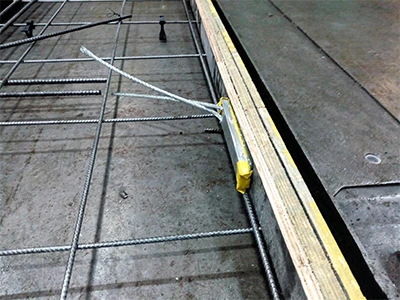
It typically consists of a galvanized steel box, a flexible wire rope loop, a compression sleeve, and a protective cover. During precast production, the steel box is fixed to the side formwork while the wire loop remains folded inside the recess.
After the precast panels are erected, the loops are opened into the vertical joint. A reinforcing bar is placed through the overlapping loops, and the joint is filled with the specified grout.
The wire loop boxes, reinforcement, and hardened grout work together as a complete connection system.

Double Connector Box Loop

Single Head Connector Box Loop
Where Are Wire Loop Boxes Used?
You can use wire loop boxes in vertical joints where precast concrete elements need a reliable mechanical connection. Common applications include wall-to-wall joints, wall-to-column connections, internal partition walls, and external precast wall panels.
They are especially useful when you need a connection that can be prepared in the factory and completed quickly on site. The boxes are cast into the panel edge, while the wire loops remain protected during transport. After erection, you open the loops, insert the specified vertical reinforcing bar, and grout the joint.
You should select the box type, loop length, and spacing according to the approved connection design, panel thickness, joint width, and required load transfer. Do not choose the product only by box size or appearance.
What Should You Check Before Installation?
Before installing wire loop boxes, you should confirm the connection requirements and product details to avoid positioning errors or site alignment problems.
Box Type and Size
Check whether the project requires a single or double wire loop box. Confirm the steel box dimensions and wire rope diameter.
Loop Length
Make sure the loop projection matches the designed joint width and connection detail.
Installation Spacing
Follow the approved drawing for vertical spacing and edge distances. Do not copy dimensions from another project.
Installation Direction
Confirm that every box opening faces the future panel joint and aligns with the adjacent precast element.

Reinforcement Clearance
Check that the embedded wire rope does not interfere with reinforcement, lifting anchors, or other inserts.
Product Condition
Inspect the box, wire rope, compression sleeve, and protective tape for deformation, damage, or corrosion before casting.
How to Install Wire Loop Boxes in the Precast Factory
A consistent installation process helps you reduce positioning errors, improve production efficiency, and ensure the wire loop boxes are ready for reliable precast wall connections after casting.
Inspect the Wire Loop Boxes
Before installation, check each wire loop box to make sure it matches your production drawing. Inspect the steel box, wire rope, compression sleeve, and protective tape for damage, deformation, or corrosion. Confirm that the loop length and box type are correct before moving the product to the mould. Replacing an incorrect component before casting is much easier than repairing a finished precast panel.
Mark the Installation Positions
Use the approved production drawing to mark every installation point on the side formwork. Measure from one fixed reference point, such as the bottom of the panel, instead of measuring from one box to the next. This method helps you maintain accurate spacing and reduces cumulative measuring errors during batch production.
Use a Reusable Positioning Strip
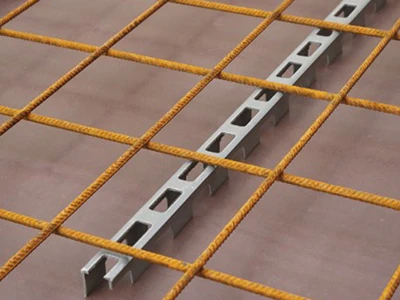
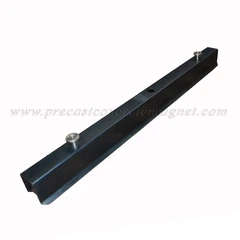
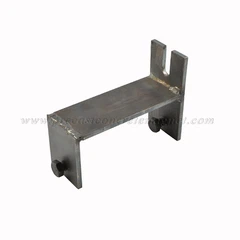
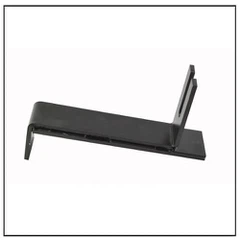
If you manufacture the same wall panels repeatedly, consider using a reusable plywood or steel positioning strip. A positioning strip allows you to place multiple wire loop boxes quickly while keeping the spacing consistent. It can reduce measuring time, improve repeatability, and simplify quality inspections. Always verify the positioning strip against the latest production drawing before each production run.
Fix the Boxes to the Formwork
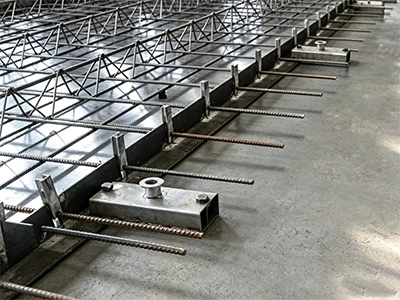
Secure each wire loop box tightly against the formwork using the pre-punched fixing holes and suitable fasteners for your mould system. After installation, check that the box does not move or rotate when pressed by hand. A securely fixed box is less likely to shift during reinforcement placement, concrete pouring, or vibration.

Check the Wire Rope Position
Confirm that the embedded wire rope follows the required direction and has enough clearance from reinforcement, lifting anchors, and other embedded components. The wire rope should remain straight without sharp bends or twists. If interference occurs, review the reinforcement layout rather than modifying the wire rope.
Seal the Box Opening
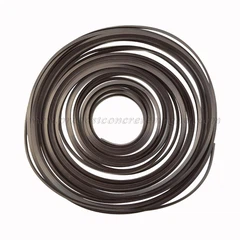
Inspect the protective tape or cover before pouring concrete. It should completely seal the opening and keep the wire loop folded inside the box. A damaged cover may allow concrete slurry to enter the recess, making the loop difficult to open after demoulding.
Complete a Pre-Pour Inspection
Before casting, carry out a final inspection of every installed wire loop box. Check the model, quantity, position, spacing, installation direction, and fixing condition. You should also confirm that the protective covers are intact and that there is sufficient clearance around the embedded wire rope. Recording these checks helps improve production consistency and traceability.
Pour and Compact the Concrete
Pour concrete carefully around the embedded wire loop boxes and compact it evenly. Avoid striking the steel box directly with the concrete hose or vibrator, as excessive impact may move the box or damage the protective cover. Proper compaction ensures the anchorage area is fully supported while keeping the box correctly positioned.
Inspect the Boxes After Demoulding
After the panel reaches the required demoulding strength, remove the formwork and inspect every wire loop box. Check for correct positioning, clean recess openings, concrete leakage, damaged steel boxes, or cracks around the panel edge. Leave the wire loops folded inside the box during storage and transportation to protect them from accidental damage until installation on site.
How Is the Wire Loop Connection Completed on Site?
After the precast elements are delivered and positioned, the protective tape is removed, and the wire loops are opened into the vertical joint. The loops from the adjacent wall panels should align and overlap according to the approved connection drawing.
The specified vertical reinforcing bar is then inserted through the loops, and the joint is sealed and filled with suitable grout. The grout should flow around the wire loops, reinforcement, and box recesses to form the completed connection.
For the precast factory, accurate box spacing, installation height, loop direction, and projection are especially important. Errors made during casting may make the loops difficult to align when the panels reach the site. The final reinforcement arrangement, joint width, and grouting procedure should always follow the approved project design.

Common Wire Loop Box Installation Problems
You can prevent most wire loop box failures by checking positioning, fixing, sealing, and reinforcement clearance before concrete casting.
Incorrect Spacing
If you install boxes at the wrong spacing, the loops may not match the approved connection design. Always follow the latest production drawing.
Loose Fixing
A loose box can move during pouring or vibration. Make sure each box sits firmly against the formwork.
Wrong Installation Direction
The box opening must face the future joint. A reversed box may make the loop difficult or impossible to use.
Damaged Protective Tape
Torn or loose tape can allow concrete slurry to enter the recess.
Reinforcement Interference
Check that the wire rope does not clash with reinforcement, lifting anchors, or other inserts.
Concrete Leakage into the Box
Seal gaps between the box and formwork to keep the recess clean.
Opening Loops Before Transportation
Keep loops folded during storage and transport to avoid bending or impact damage.
Forcing Misaligned Loops
Do not force the bar through misaligned loops. Check the panel position and box installation first.
Conclusion
Reliable wire loop box installation depends on accurate positioning, secure formwork fixing, effective sealing, and consistent inspection. Standardized installation tools and pre-pour checks can help precast factories reduce errors and improve batch production efficiency.
Send your required box type, loop length, quantity, and drawings to check available specifications and delivery options.
FAQ
Q: Should wire loops be opened before concrete casting?
A: No. The loops should remain folded and protected inside the steel box during casting, storage, and transportation.
Q: How are wire loop boxes fixed to formwork?
A: They are commonly attached through pre-punched holes using nails, screws, or another approved fastening method suitable for the mould.
Q: Can the box spacing be adjusted by factory workers?
A: The spacing should follow the approved connection drawing. It should not be changed without technical confirmation. Common causes include damaged protective tape, poor sealing, and gaps between the box and formwork.
Q: What causes concrete to enter the recess?
A: Common causes include damaged protective tape, poor sealing, and gaps between the box and formwork.
Q: Can damaged wire ropes still be used?
A: Wire ropes with broken strands, severe corrosion, sharp kinks, or damaged sleeves should not be cast into the panel without technical assessment.