





Shuttering magnets provide a fast and reusable way to secure side forms to steel casting tables. Compared with welding or drilling, they make formwork easier to install, reposition, and remove during precast concrete production.
For factories producing different panel sizes or frequently changing mold layouts, the right magnetic shuttering system can reduce setup work while improving production flexibility. Below are seven practical benefits and the key factors you should consider before choosing one.
What Is a Shuttering Magnet?
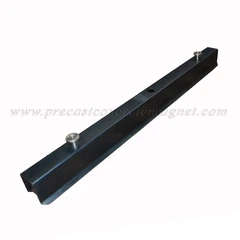
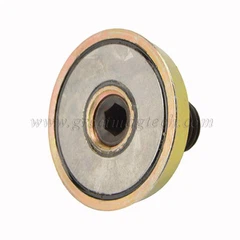
A shuttering magnet is a switchable magnetic fixing device used to secure precast concrete formwork to steel casting beds. It is also known as a shuttering magnet box, magnetic box, or precast concrete magnet.
The device typically consists of a permanent magnet core, a steel housing, an activation button, and a threaded connection hole. When the button is pressed, the magnet core moves toward the steel bed, generating a powerful holding force.
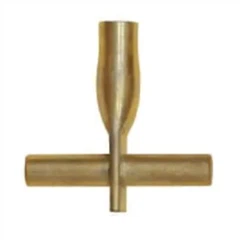
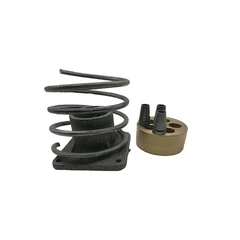
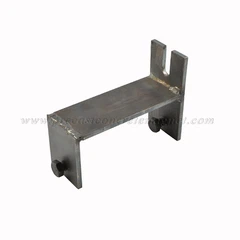
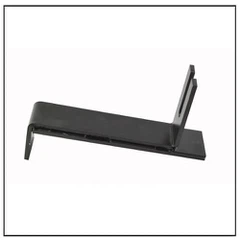
The magnet can be connected to steel or aluminum side forms using adapters, clamps, or pressure plates. Once the concrete has hardened and the formwork is ready to be removed, a matching release lever or crowbar is used to lift the activation button smoothly; this disengages the magnet from the casting bed, allowing it to be removed, cleaned, and reused. Never strike the button with a hammer, nor attempt to pull the magnet directly off the bed surface forcibly.

450KG Shuttering Magnet

900KG Shuttering Magnets

1300KG Precast Magnet

2100kg Precast Concrete Shuttering Magnet
Seven Key Benefits of Shuttering Magnets
From faster setup and easier mold adjustments to better casting-table protection, secure holding, power-free operation, repeated use, and compatibility with different formwork profiles, shuttering magnets offer practical advantages throughout precast production.
Faster Formwork Setup and Removal
Shuttering magnets simplify both formwork installation and removal. After the side form is aligned, workers can position the magnetic box, connect the required adapter, and press the activation button to secure it to the steel casting table.
After demolding, the matching release lever is used to lift the button and release the magnet. This straightforward process reduces setup and dismantling steps, requires fewer auxiliary tools, and makes daily operation easier to standardize. It is especially useful for precast plants with frequent mold preparation tasks and tight production schedules.
Protects the Steel Casting Table
Shuttering magnets hold side forms without creating permanent fixing points in the steel casting bed. This helps avoid weld marks, drilled holes, grinding residue, and repeated surface repairs.
Maintaining a smooth and flat casting table is important because surface damage can affect cleaning, mold positioning, and the appearance of the finished precast component. By reducing physical modification of the casting bed, magnetic fixing can lower maintenance requirements and help preserve the table for long-term production use.

Easier Mold Layout Adjustments
Precast component dimensions, openings, and edge locations may change from one project to another. Shuttering magnets allow you to release the fixing point, move the side form to a new position, and secure it again without rebuilding the complete mold structure.
This makes the casting table easier to adapt for wall panels, floor slabs, beams, columns, and customized concrete elements. It is particularly useful for short production runs, project-based orders, and factories that use the same casting bed for several product dimensions.
Secure Holding During Pouring and Vibration
Fresh concrete produces lateral pressure against the side form, while vibration may introduce additional movement. A correctly selected shuttering magnet helps keep the formwork stable throughout pouring and compaction.
Reliable holding depends on more than the magnet's stated force. Formwork height, concrete pressure, magnet quantity, fixing position, adapter strength, and casting-table thickness must all be considered. Before pouring, the magnet should be fully activated and seated flat against the steel surface to support secure and consistent fixation.
Simple Operation Without External Power
Standard shuttering magnets use permanent magnetic cores and do not require electricity, batteries, hydraulic units, or pneumatic connections. Once positioned, workers can press the activation button to secure the magnet to the steel casting table.
This self-contained design reduces the need for cables, hoses, and additional power equipment around the casting bed. It makes the magnetic boxes easier to use at different production stations and simplifies daily formwork fixing in precast plants.
Reusable Shuttering Magnets
Shuttering magnets are designed to be released after demolding and used again in later production cycles. Unlike single-position fixing components, they are not permanently tied to one mold layout or one precast element size.
The same magnetic boxes can be reassigned to other casting-table positions as production requirements change. This repeated use reduces the need to prepare new fixing hardware for each project, helps control tooling consumption, and improves the long-term value of the factory's existing formwork equipment.
Works with Different Formwork Profiles
Shuttering magnets can be combined with suitable adapters, brackets, or pressure plates to connect with different steel and aluminum side-form profiles. The magnetic box attaches to the steel casting table, while the connecting accessory transfers the holding force to the formwork.
The accessory should match the formwork shape, height, fixing point, and required support direction. For non-standard profiles, a customized adapter may provide better contact and more stable force transfer. This allows the same magnetic box model to serve a wider range of precast production applications.
How to Choose a Shuttering Magnet
Choosing a shuttering magnet only by its rated holding force may result in an undersized system or unnecessary cost. The right model should match your formwork, casting table, concrete pressure, adapter, and production process.
Check Your Formwork Requirements
Start with the formwork material, profile, height, length, and connection position. Taller side forms create greater leverage, while long or flexible profiles may require more fixing points. Steel, wooden, and aluminum formwork also require different adapter designs.
Consider Concrete Pressure and Vibration
Fresh concrete pushes against the side form during pouring, and vibration adds further movement. You should consider the pouring height, concrete consistency, vibration method, and formwork rigidity when determining the required holding force.
Confirm the Steel Casting Table
Shuttering magnets must work on a suitable magnetic steel surface. The table should have sufficient thickness, good flatness, and full contact with the magnet base. Concrete residue or uneven contact can reduce the holding force available in actual production.

Match the Correct Adapter
The adapter transfers magnetic force from the magnet to the side form. It should match the formwork height, profile, and connection point without bending or loosening. For special profiles, provide drawings or application photos so a customized adapter can be evaluated.
Determine Magnet Quantity and Spacing
There is no universal spacing suitable for every mold. The correct quantity depends on the formwork length, height, rigidity, concrete pressure, and vibration conditions. A trial setup under actual production conditions is recommended before finalizing the arrangement.
Check the Working Environment
For standard shuttering magnets, keep the working temperature at or below 80°C. When the temperature exceeds 80°C, the magnetic holding force may decrease, making the formwork less secure during production. Prolonged exposure to excessive heat may also cause irreversible demagnetization or damage to the magnetic core, adhesive, seals, or internal components.
For steam curing or other high-temperature processes, confirm the actual temperature and exposure time with the supplier before use. You should also provide your curing conditions, formwork drawing, casting-table thickness, and application details so a suitable high-temperature solution can be recommended.
How to Maintain Shuttering Magnets
Proper maintenance helps you preserve holding force and extend the service life of your shuttering magnets. After each production cycle, clean the bottom surface and remove concrete residue, dust, and metal particles that could create an air gap between the magnet and casting table.
Use a suitable scraper or cleaning cloth, and avoid striking the housing or activation button with a hammer. Always release the magnet with the correct release lever instead of pulling it directly from the table. You should also inspect the housing, button, threaded holes, and contact surface regularly for deformation or damage.
Before storage, keep the magnet clean and dry. Apply rust protection where necessary and store it carefully to prevent dropping, collision, or uncontrolled attraction between units.
Conclusion
Shuttering magnets make precast formwork installation faster, more flexible, and easier to reuse while reducing welding and drilling on steel casting beds. Reliable performance depends on matching the magnet to the formwork height, concrete pressure, casting-bed condition, adapter, and production environment. We supply different holding-force options and can customize adapters based on your drawings and application needs, helping you achieve stable and repeatable precast production.
FAQ
Q: What is a shuttering magnet used for?
A: A shuttering magnet is used to secure side forms to a steel casting table during precast concrete production. It helps you position, adjust, and remove the formwork without repeated welding or drilling.
Q: How do I choose the right holding force?
A: You should consider the formwork height, concrete pressure, vibration, magnet spacing, steel table thickness, and adapter design. The highest force rating is not always the most suitable choice.
Q: Can they work with aluminum formwork?
A: Yes, but aluminum is not magnetic. You need an adapter to connect the aluminum profile to the magnet fixed on the steel casting table.
Q: Why does a shuttering magnet lose holding force?
A: Concrete residue, rust, oil, paint, an uneven table, or insufficient steel thickness can reduce magnetic contact. Cleaning the contact surfaces usually helps improve performance.
Q: How should I release a shuttering magnet?
A: Use the correct release lever to lift the activation button steadily. Avoid hitting the magnet with a hammer or pulling it away by force.
Q: Why does a shuttering magnet slip?
A: Common causes include concrete residue, oil, rust, an uneven casting table, thin steel, excessive air gaps, incorrect spacing, or insufficient holding force.