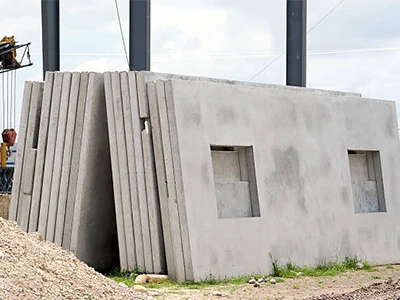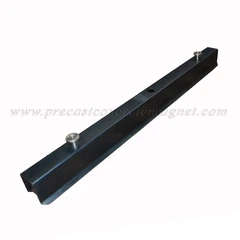
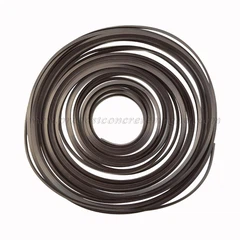
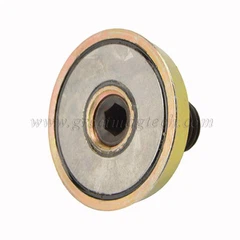
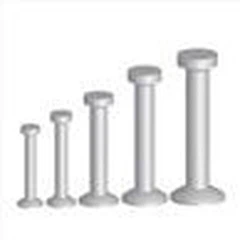


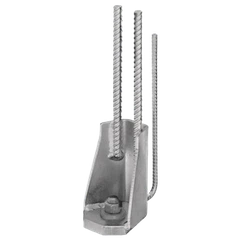
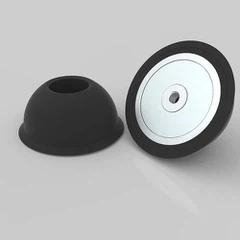
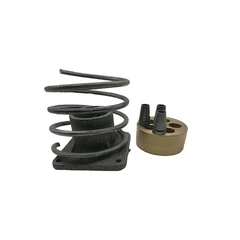

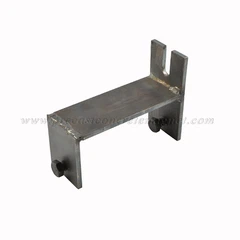
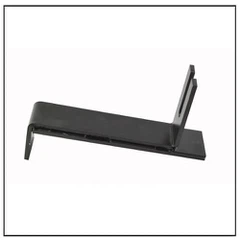


When choosing a recess former for precast concrete production, you need to consider more than just size or price. Both magnetic recess formers and rubber recess formers are used to position lifting anchors and create the correct recess for lifting clutch connection, but they work differently during mould setup and casting. Your choice depends on factors such as formwork material, fixing method, production frequency, repositioning needs, and long-term cost. If you use steel formwork and frequently change anchor positions, a magnetic solution may improve efficiency. For conventional fixing systems or non-magnetic formwork, a rubber recess former may be more suitable.
What Is a Recess Former Used for in Precast Concrete?
A recess former is used to hold a lifting anchor in the correct position during precast concrete production and create the required recess around the anchor head. This recess gives the lifting clutch enough space to connect securely after the concrete element is demoulded. When you select and install the correct recess former, you can maintain the required anchor position, orientation, and recess shape during casting. This helps reduce problems such as misaligned anchors, incorrect recess dimensions, or difficult clutch connection on site. Recess formers are commonly used with spherical head lifting anchors and similar precast lifting systems. Your recess former should always match the anchor type, load group, recess geometry, and lifting clutch used in your system.
What Is a Magnetic Recess Former?
A magnetic recess former is used to position a lifting anchor on steel formwork while creating the required recess around the anchor head. Instead of drilling or using extra mechanical fixing, you can place the former directly on the steel mould and hold it in position with magnetic force.

Magnetic Fixing
If you work with steel moulds or casting tables, the magnetic base gives you a quick way to secure the anchor position before concrete pouring. This can reduce setup work compared with traditional bolt-fixed systems.
Easy Position Adjustment
When anchor locations change between precast elements, you can move the magnetic recess former to a new position without modifying the mould. This is useful for flexible or repeated production.
Reusable for Precast Production
After demoulding, you can remove, clean, and reuse the former for the next casting cycle. It is especially suitable when you want faster setup, less mould drilling, and consistent anchor positioning.
What Is a Rubber Recess Former?
A rubber recess former is a traditional solution used to create the lifting recess around an anchor head during precast concrete casting.
How Does It Work?
The former is made from flexible rubber and fits around the lifting anchor. During casting, it shapes the recess needed for the lifting clutch to connect after demoulding.
How Is It Fixed to the Formwork?
Unlike a magnetic former, a rubber recess former normally relies on a bolt, stud, holding plate, or another mechanical fixing method. The exact setup depends on your mould design and lifting system.
Where Is It Commonly Used?
You may use rubber recess formers with steel, timber, or other formwork where magnetic attachment is not suitable. They are also common in factories already using conventional anchor fixing methods.
What Are the Main Benefits?
Rubber formers are simple, flexible, reusable, and generally lower in initial cost. They are a practical choice when anchor positions do not change frequently or when your existing mould setup already supports mechanical fixing.
Magnetic Recess Former vs Rubber Recess Former
The main difference between a magnetic recess former and a rubber recess former is how they are fixed to the mould, which directly affects installation speed, repositioning, formwork compatibility, and long-term use.
|
Comparison |
Magnetic Recess Former |
Rubber Recess Former |
|
Material |
Steel body with magnetic system |
Flexible rubber |
|
Fixing Method |
Attaches directly to steel formwork by magnetic force |
Usually fixed with bolts, studs, or other mechanical methods |
|
Suitable Formwork |
Best for steel moulds and casting tables |
Suitable for different formwork systems depending on the fixing method |
|
Drilling Required |
Normally, no drilling is required on steel moulds |
May require holes or mechanical fixing points |
|
Installation Speed |
Faster to position and secure |
Usually requires more fixing steps |
|
Position Adjustment |
Easy to move and reposition |
Requires loosening and refixing |
|
Reusability |
Suitable for repeated production cycles |
Reusable, but rubber can wear or deform over time |
|
Initial Cost |
Generally higher |
Generally lower |
|
Best For |
High-volume production and frequently changing anchor positions |
Conventional production with fixed anchor layouts |
Magnetic or Rubber Recess Former: Which Should You Choose?
The right choice depends mainly on your formwork material, fixing method, production frequency, and how often you need to change anchor positions.
Choose a Magnetic Recess Former If
You mainly use steel moulds or steel casting tables and want to reduce drilling or extra mechanical fixing. A magnetic recess former is also a better choice when anchor positions change frequently between different precast elements. You can move and reposition it quickly, which helps shorten mould setup time. It is especially suitable for repeated or high-volume production where efficiency and reuse are important.
Choose a Rubber Recess Former If
A rubber recess former may suit you better if your mould is not suitable for magnetic fixing or your current production system already uses bolts, studs, or holding plates. It can also be practical when anchor positions rarely change, production volume is lower, or keeping the initial purchasing cost down is a priority.
Common Mistakes When Choosing a Recess Former
Choosing the wrong recess former can lead to difficult installation, poor anchor positioning, extra mould work, and higher replacement costs, so you should check the complete lifting and formwork system before ordering.
Choosing Only by Load Group
Do not select a recess former only because it is marked 1.3T, 2.5T, 5T, or 10T. You also need to confirm the lifting anchor type, anchor head dimensions, and compatibility with the lifting clutch.
Ignoring Formwork Material
Your mould material directly affects the fixing method. Magnetic recess formers need a suitable steel contact surface, while rubber formers can be used with different mechanical fixing arrangements.
Comparing Only the Purchase Price
A lower unit price does not always mean a lower total cost. You should also consider installation time, mould modification, reuse cycles, maintenance, and replacement frequency.
Using the Wrong Recess Geometry
The recess shape must match your lifting system. An incorrect recess can make it difficult to connect or operate the lifting clutch properly after demoulding.
Ignoring Magnetic Contact Conditions
If you use a magnetic recess former, keep the contact surface clean. Concrete residue, rust, paint buildup, or debris can create a gap and reduce effective magnetic holding force.
Continuing to Use Worn Rubber Formers
Rubber formers should be checked regularly for cracks, deformation, or excessive wear. Replacing damaged formers helps you maintain consistent recess dimensions and reliable anchor positioning.

Conclusion
Choosing between a magnetic recess former and a rubber recess former depends on your formwork, fixing method, production frequency, and anchor layout. If you use steel moulds and often change anchor positions, a magnetic recess former can help reduce setup time and avoid unnecessary drilling. If you use non-magnetic formwork or a conventional mechanical fixing system, a rubber recess former may be more suitable. Before ordering, you should confirm the lifting anchor type, load group, recess geometry, and mould conditions to make sure the former matches your precast lifting system.
FAQ
Q: Are magnetic recess formers faster to install?
A: Yes. On suitable steel formwork, you can position and reposition them quickly without drilling additional fixing holes.
Q: When should I choose a rubber recess former?
A: Choose a rubber recess former when your mould is not suitable for magnetic fixing, or your production already uses bolts, studs, or similar fixing systems.
Q: Do magnetic recess formers need maintenance?
A: Yes. You should keep the magnetic contact surface clean and remove concrete residue or debris after use to maintain reliable holding performance.
Q: Can I use the same recess former for different lifting anchors?
A: Not always. The recess former must match the anchor type, load group, head size, and lifting clutch used in your lifting system.
Q: Can a magnetic recess former replace a rubber recess former?
A: Sometimes. It depends on your formwork material, lifting anchor type, and fixing method. Magnetic formers are mainly suitable for steel moulds.
Q: Do magnetic recess formers require drilling?
A: Normally no. They attach directly to suitable steel formwork by magnetic force, helping reduce mould drilling and mechanical fixing.