




Cracks in precast concrete panels aren't just cosmetic defects; they're quality failures that trigger rework, waste entire production runs, and damage your reputation with customers. The most frustrating part? Most of these cracks form in the first few hours after pouring, during the plastic stage when the concrete is most vulnerable. Polypropylene fibres offer a targeted solution: millions of micro-filaments distributed throughout the mix that intercept cracks before they become visible. This guide shows you exactly how to use them in your precast operation, from selecting the right dosage to integrating them with your existing production line, with real data on crack reduction and return on investment.
What Are Polypropylene Fibres for Concrete?
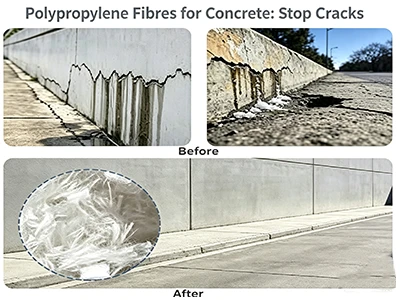
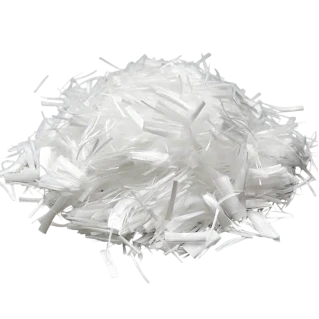
Polypropylene fibres are lightweight synthetic strands mixed into concrete to help control early shrinkage cracks, making them useful for many precast panels and concrete products.
How Do They Stop Cracks?
When you add polypropylene fibres to your concrete mix, they spread through the material and form a small reinforcing network. This network helps hold the concrete together while it loses water and shrinks during the early curing stage. As a result, small surface cracks are less likely to grow wider. PP fibres mainly help with plastic shrinkage and early drying cracks; they do not replace structural reinforcement or correct poor curing, excess water, or incorrect panel design.
Two Main Types of Polypropylene Fibres
- Monofilament Fibres: Fine, single strands mainly used for early shrinkage and surface crack control.
- Fibrillated Fibres: Fibres with a web-like shape that can improve dispersion and crack-control coverage.

The 3 Main Causes of Cracks in Precast Concrete Panels
Before choosing polypropylene fibres, you need to identify which type of cracking is affecting your precast panels.
Plastic Shrinkage Cracking
You may see fine cracks soon after casting when surface water evaporates faster than moisture can rise from inside the concrete. Hot weather, strong airflow, dry conditions, and delayed curing can increase this risk.
Drying Shrinkage Cracking
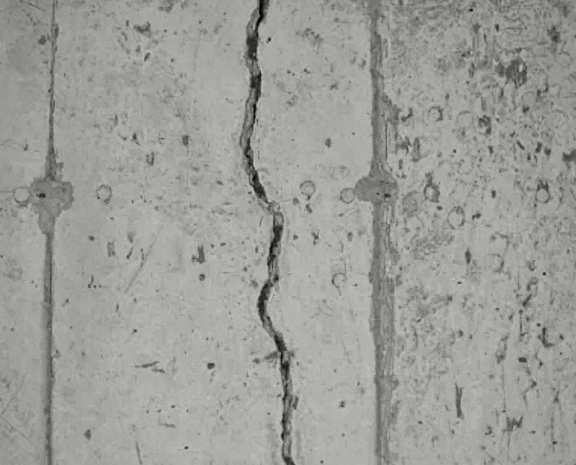
After the concrete has hardened, it continues to lose moisture and slowly contracts. Too much mixing water, inadequate curing, or restraint from reinforcement and connections can cause cracks to appear over time.
Early Thermal Cracking
Cement hydration creates heat inside the panel. If the panel cools unevenly, different areas contract at different rates. Restrained edges, thick sections, and large temperature changes can then create early cracks.
Polypropylene fibres mainly help control small, early-stage shrinkage cracks, while proper mix design, curing, and panel detailing remain essential.
How Polypropylene Fibres Help Control Cracks in Precast Panels
When you add PP fibres to a well-designed precast mix, you give your panels early-age crack control during casting, curing, handling, and delivery.
Plastic Shrinkage Cracks
As fresh concrete loses water, its surface can shrink before it gains enough strength. PP fibres spread through the mix and create a support network, helping limit tiny surface cracks. They work best when you also control water, wind, temperature, and curing.
Drying and Handling Cracks
After demoulding, drying, lifting, stacking, or transport can open small weak points. PP fibres help hold the concrete together and reduce the chance that these cracks widen. They do not replace lifting or proper storage.
What PP Fibres Cannot Fix
PP fibres cannot correct an overly wet mix, poor curing, moving formwork, weak concrete, or missing structural reinforcement. They cannot replace main reinforcing bars, lifting-anchor reinforcement, or connection steel. Test a trial panel and inspect your process before production.
Using Polypropylene Fibres in Precast Production
You get reliable crack control when you treat PP fibres as part of your complete mix, curing, handling, and formwork routine.
Recommended Dosage for Crack Control
Choose the dosage according to your panel thickness, concrete mix, finish, and handling risks. Follow your supplier's guidance and confirm it with trial panels; adding more fibre will not correct excess water or poor curing.
Mixing Process
Add fibres gradually to the mixer, following the supplier's recommended sequence. Mix until they are evenly dispersed and no clumps remain. Check workability before casting, and use admixture, not extra water, if adjustment is needed.
Production Considerations
Keep water content, vibration, curing, demoulding, lifting, and stacking consistent from batch to batch. Record batch details and inspect panels after stripping, storage, and delivery so you can trace recurring cracks.
Integration with Magnetic Formwork
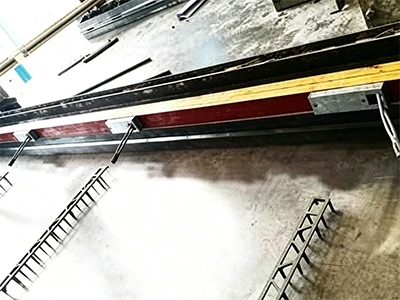
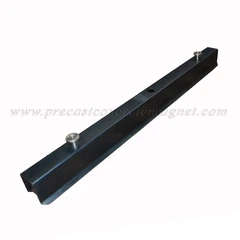
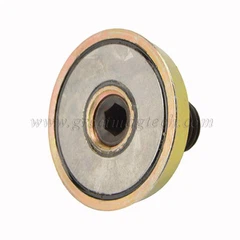
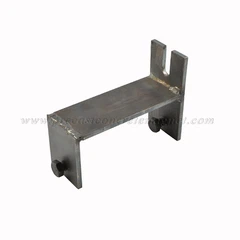
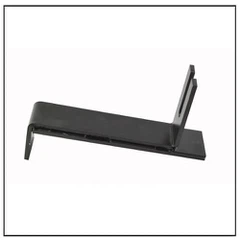
PP fibres are compatible with magnetic side forms, chamfers, and box-outs. Place magnets securely before casting, keep contact faces clean, and recheck alignment after vibration to prevent form movement.
Additional Advantages for Precast Operations
Beyond early crack control, polypropylene fibres can make your precast workflow more dependable from casting through delivery, with fewer process surprises each day.
Improved Impact Resistance
When panels are struck during demoulding, lifting, or transport, fibres help hold small cracks together and reduce surface chipping. This gives you more confidence when moving thin or detailed units.
Better Durability
PP fibres do not rust, so they add crack-control support without introducing another corrosion path. By limiting early cracks, they can help limit paths for water and chemicals to enter the concrete.
Production Efficiency
You can mix fibres directly into the concrete, avoiding the cutting, tying, and positioning work required for some secondary mesh. A consistent process also means fewer repairs and rejected panels.
Cost Savings
Fewer crack-related repairs, less handling, and reduced waste can lower your overall panel cost. Review your own trial-batch results before changing reinforcement or production quantities.
Proven Performance in Precast Applications
You can use polypropylene fibres in precast products where early crack control, finishes, and handling matter.
Architectural Wall Panels
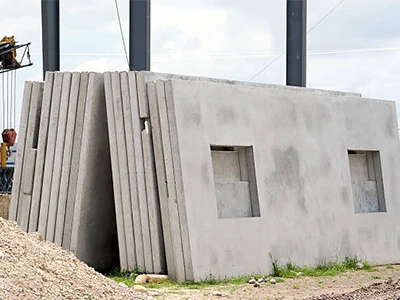
When you cast architectural panels, PP fibres help limit fine plastic-shrinkage cracks and reduce edge chipping during demoulding. They suit panels with textured or smooth finishes, but you still need correct curing and reinforcement around openings and lifting points.

Precast Floor Slabs
For floor slabs, fibres help hold small cracks together during curing, stacking, and transport. They can support secondary crack control, while structural design still determines the required bars, mesh, and load capacity. Trial panels help you confirm finish and workability.
Thin-Wall Elements
Thin sections are sensitive to rapid moisture loss and handling damage. Evenly dispersed PP fibres can improve cohesion and reduce minor surface cracking. Keep the mix workable, avoid excess water, and coordinate fibre use with your magnetic forms and lifting system for consistent production.
When to Choose Polypropylene Over Steel Fibres
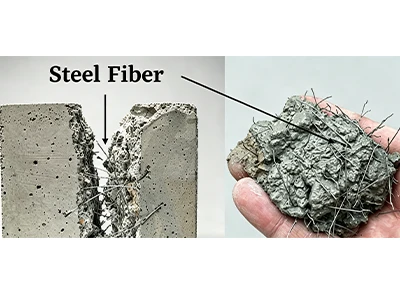
Choose polypropylene fibres when your main goal is early crack control, easy processing, and a clean, corrosion-free finish rather than added structural capacity.
|
Project Consideration |
Choose Polypropylene Fibres When |
Steel Fibres May Be Better When |
|
Main Purpose |
You need to control plastic shrinkage and fine surface cracks. |
You need post-crack load capacity or stronger flexural performance. |
|
Panel Type |
You produce thin, architectural, or lightly loaded panels. |
You produce heavy-duty slabs, industrial units, or high-impact elements. |
|
Corrosion Risk |
The panel faces moisture, chemicals, or coastal conditions and you want non-corrosive fibres. |
Corrosion protection is already addressed in the design. |
|
Surface Finish |
A smooth, mark-free appearance is important. |
A small risk of visible fibre ends is acceptable. |
|
Production |
You want lightweight fibres that are easy to handle and mix. |
Your plant can manage heavier fibres and longer mixing times. |
|
Reinforcement Role |
You need secondary crack control alongside structural reinforcement. |
You need fibre reinforcement designed to carry structural loads. |
5 Mistakes That Reduce Effectiveness
You get better results from PP fibres when you match the product and dosage to your panel design and control the whole production process before you scale up production or judge fibre performance.
Mistake 1: Wrong Fibre Type
Using a fibre intended for another application may leave poor dispersion or limited crack control. Select a product suited to your concrete, finish, and panel thickness. Check the supplier's sheet and trial results first.
Mistake 2: Incorrect Dosage
Too little fibre may not control early cracks; too much can reduce workability. Follow supplier guidance and confirm dosage with trial panels.
Mistake 3: Poor Mixing
Add fibres too quickly or stop the mixer early, and clumps may form. Add them gradually and mix until no visible clumps remain.
Mistake 4: Expecting Structural Performance
PP fibres mainly control fine cracks. They do not replace main rebar, lifting reinforcement, or a designed steel-fibre system.
Mistake 5: Ignoring Other Factors
Excess water, weak curing, moving forms, and rough handling can still cause cracks. Check these factors before changing fibre dosage.
Conclusion
Polypropylene fibres give you a way to control early cracking in precast panels, floor slabs, and thin-wall elements. When you select the right fibre, use the recommended dosage, and mix it evenly, you can improve surface quality and reduce repair work during demoulding, storage, and delivery. PP fibres do not replace structural rebar or correct poor curing, excess water, or moving forms, so your complete process still matters. If you are planning a precast project, discuss your panel design and production conditions with our team. We can help you choose a suitable fibre solution.
FAQ
Q: Can polypropylene fibres completely eliminate cracks?
A: No. They help control early shrinkage and fine cracks, but proper mix design, curing, formwork, and reinforcement are still essential.
Q: What's the difference between micro and macro polypropylene fibres?
A: Micro fibres are mainly used for plastic shrinkage and surface crack control. Macro fibres are larger and provide greater crack-bridging and toughness.
Q: Do polypropylene fibres affect concrete strength?
A: They do not replace structural reinforcement or significantly increase basic compressive strength. Their main benefit is better crack control and toughness; excessive dosage may reduce workability.
Q: Can I use polypropylene fibres with magnetic formwork?
A: Yes. PP fibres are mixed into the concrete and do not interfere with magnetic side forms, chamfers, or box-outs. Keep the magnets firmly positioned during vibration.
Q: Will fibres show on the finished surface?
A: Usually not when fibres are evenly mixed, and the surface is properly finished. Poor dispersion, overworking, or fibres close to the surface may leave small visible strands.