





When you run a precast panel plant, you must produce more units in less time, maintain quality, and control costs. Traditional rebar and welded wire mesh can slow production because workers must cut, place, tie, and inspect reinforcement, especially around openings, lifting points, and chamfers. Placement errors may lead to cracks, edge damage, rework, and delayed deliveries. Steel fiber reinforced concrete gives you an option. Fibers distributed through the mix can improve crack bridging, toughness, and handling resistance while simplifying reinforcement tasks. This guide explains where SFRC fits, what it cannot replace, and how to verify its performance before production begins.
Understanding SFRC Technology
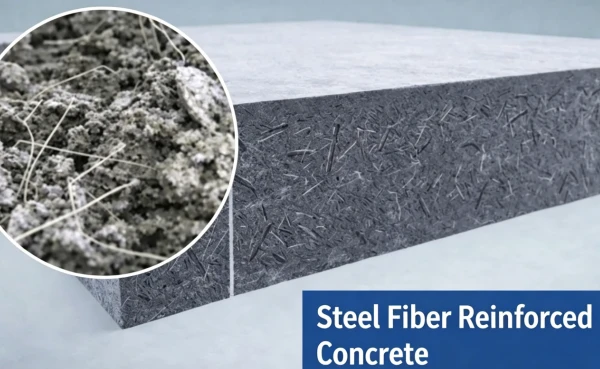
Instead of laying rebar before every pour, you add steel fibers directly to your concrete mixer. These small steel pieces spread throughout the mix automatically. When you pour the concrete into your forms, whether you're using magnetic shuttering or traditional formwork, the fibers are already in position, pointing in every direction. As the concrete hardens, the fibers grab onto the matrix. When stress hits the panel, the fibers bridge across micro-cracks before they spread. You get reinforcement in three dimensions instead of just where rebar sits. It's simpler than rebar placement and works the moment you pour.


Copper-plated Microfilament Steel Fibers


The 7 Transformative Benefits of Steel Fiber Reinforced Precast Panels
When you evaluate steel fiber reinforced concrete for your precast panels, look beyond compressive strength and consider how it affects production speed, crack control, handling, durability, and total cost.
Faster Cycle Times Without Compromising Quality
Steel fibers can reduce the amount of cutting, tying, and positioning required for conventional reinforcement in suitable panel designs. This helps you prepare molds faster and reduce labor around reinforcement cages. Your team may also spend less time checking whether each mesh section is correctly placed. However, faster production should never replace engineering checks. You still need to confirm the fiber type, dosage, mixing process, panel thickness, lifting points, and connection details through trial production.
Cost Reduction in Panel Production
Reduction should be treated as a project target, not a guaranteed result. Your actual savings depend on panel size, fiber dosage, steel mesh requirements, labor rates, concrete mix, and production volume. To measure the benefit accurately, compare the complete cost of materials, labor, mold preparation, handling, rework, rejected panels, and transportation. In some applications, steel fibers can lower reinforcement-related labor and reduce damage during demolding or delivery, but you should confirm the result with your own production data.
Prevent Plastic Shrinkage and Drying Cracks

Steel fibers can help control crack development caused by plastic shrinkage, drying, temperature changes, and handling stress. They create a three-dimensional network that bridges small cracks before they become wider or more visible. This can improve the appearance of architectural and sandwich panels. Fibers do not guarantee crack-free concrete, however. You still need suitable water content, proper vibration, timely finishing, and adequate curing to achieve reliable results.
Higher Flexural and Tensile Strength
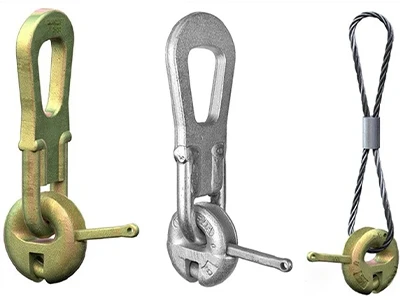
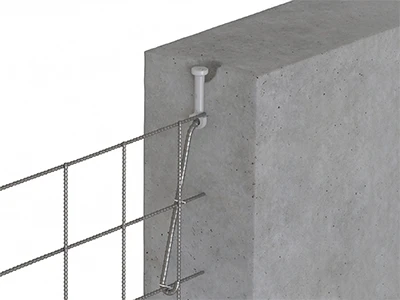
For many precast panels, the main advantage is improved toughness and post-crack performance rather than a simple increase in compressive strength. When a small crack forms, well-distributed fibers can continue carrying part of the load and help the panel resist impact, bending, and handling forces. This may be useful during demolding, stacking, lifting, and transportation. You should still design reinforcement around lifting anchors, openings, joints, and other areas with concentrated loads.
Longer-Lasting Panels with Better Corrosion Resistance
Better crack control can support durability by limiting the paths through which water, salts, and other aggressive substances enter the concrete. This may help your panels maintain their performance in outdoor or humid environments. Steel fibers themselves are not corrosion-proof, and exposed fibers near the surface can sometimes create rust marks. For this reason, you should control fiber distribution, cover, finishing, and curing instead of presenting SFRC as a complete corrosion solution.
Simplified Production of Intricate Shapes
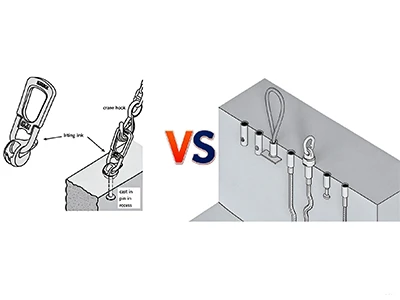
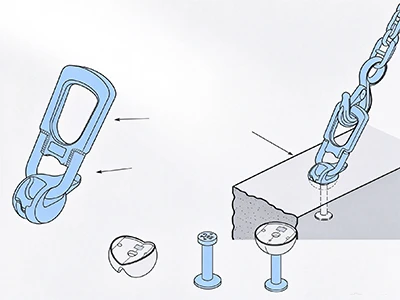
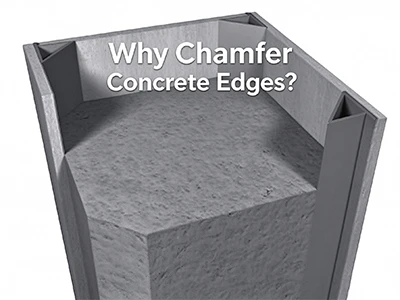
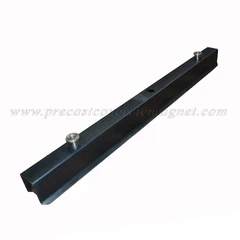
Steel fibers can make it easier to produce panels with openings, narrow edges, chamfers, returns, and other complex details where traditional reinforcement is difficult to place. The fibers spread through the concrete and provide reinforcement in multiple directions, helping reduce congestion inside the mold. This can work well with carefully planned magnetic formwork and chamfer systems. Even so, lifting anchors, embedded items, connection zones, and thin edge sections may still require separate reinforcement design.
Consistent Quality with Random Fiber Distribution
Random fiber distribution gives your panel a more uniform form of crack control than reinforcement placed only in selected directions. To obtain consistent quality, you must control weighing, feeding speed, mixing time, concrete workability, vibration, and curing. Poor mixing can cause fiber balls, while excessive vibration may affect fiber position and surface quality. Before full production, make trial panels and check visual appearance, workability, dimensions, demolding behavior, and required performance. This process helps you turn the potential benefits of SFRC into repeatable factory results.
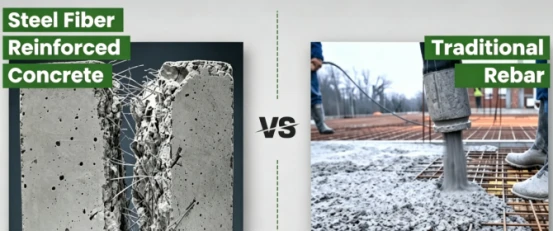
Steel Fiber Reinforced Concrete vs Traditional Rebar: A Comprehensive Comparison
When you choose reinforcement for precast panels, compare more than material price: consider installation time, crack control, panel shape, lifting requirements, durability, and quality control. The table below helps you decide whether steel fiber reinforced concrete, traditional rebar, or a combination of both is suitable for your production process.
|
Comparison Aspect |
Steel Fiber Reinforced Concrete (SFRC) |
Traditional Rebar |
What It Means for Your Precast Operation |
|
Reinforcement Placement |
Fibers are mixed directly into the concrete and distributed throughout the panel. |
Bars or mesh must be cut, positioned, tied, and supported inside the mold. |
SFRC can simplify reinforcement preparation and reduce handling work. |
|
Production Speed |
May shorten mold preparation when the design allows reduced mesh or bar reinforcement. |
Placement and inspection can extend the production cycle. |
You may improve cycle time after validating the mix and panel design. |
|
Crack Control |
Provides three-dimensional crack bridging throughout the concrete. |
Works mainly along the direction and location of the installed bars or mesh. |
SFRC can offer more uniform control of small cracks. |
|
Flexural Performance |
Improves toughness and post-crack load-carrying behavior. |
Provides strong support in designed load directions. |
The best solution depends on panel span, thickness, loads, and design requirements. |
|
Complex Shapes |
Useful around narrow edges, openings, chamfers, and irregular sections. |
Mesh and bars can be difficult to bend and position in confined areas. |
Fibers may reduce reinforcement congestion in complex molds. |
|
Lifting And Connection Zones |
May support general crack control but does not automatically replace local reinforcement. |
Easy to design specifically around lifting anchors, inserts, and connections. |
Keep suitable reinforcement where concentrated loads occur. |
|
Corrosion Considerations |
Fibers are embedded in the concrete, but exposed fibers may cause surface rust marks. |
Rebar also requires adequate concrete cover and crack control to limit corrosion risk. |
Good mix design, cover, finishing, and curing remain important for both systems. |
|
Quality Control |
Requires accurate weighing, even feeding, sufficient mixing, and workability control. |
Requires dimensional checks, bar spacing checks, and secure positioning before casting. |
Each system has different inspection points that your team must standardize. |
|
Cost Evaluation |
Potentially reduces labor, handling, and rework costs in suitable applications. |
Material and installation costs are easier to estimate from the reinforcement schedule. |
Compare total project cost instead of comparing only fiber and steel prices. |
|
Replacement Potential |
Can replace some conventional reinforcement in approved designs. |
Remains essential for many structural, lifting, and connection applications. |
SFRC should not be treated as an automatic full replacement for rebar. |
SFRC Precast Panels in Action: Industry Applications
Your best application depends on panel design, loading conditions, production methods, and the testing required for your market.
Exterior Wall Panels
When you produce exterior wall panels, steel fibers can help control handling and shrinkage cracks, supporting a cleaner surface. You still need proper curing and finish inspection.
Industrial Floor Panels
For industrial floor panels, you can use SFRC to improve toughness and resistance to repeated traffic and impact. Confirm load requirements, joint layout, and abrasion performance.
Bridge Precast Components
Bridge components face moisture, temperature changes, and repeated loading. You should use fibers as part of a tested reinforcement design, with adequate cover, connections, and durability checks.
Tunnel Segments
Tunnel segments experience uneven pressure, cracking risk, and demanding installation. SFRC may simplify reinforcement in suitable designs, but you must verify gasket zones, bolt areas, lifting points, and fire requirements.
Floor Slab Systems
For floor slab systems, fibers can improve post-crack behavior and help manage reinforcement congestion. You should validate span, deflection, openings, and construction loads before changing the rebar layout.
How to Optimize Steel Fiber Concrete in Your Precast Operation
To achieve consistent SFRC panels, you must control the mix, production routine, inspections, and formwork as one connected process.
Mix Design Considerations
Start with a trial mix that matches your panel thickness, aggregate size, required workability, and surface finish. Adjust water or admixture carefully, and check that the fibers spread evenly without forming balls. Record the approved proportions so every batch follows the same recipe.
Production Process Tips
Feed fibers gradually while the mixer is running and avoid sudden dumping. Allow enough mixing time for even distribution, then check workability before casting. Fill molds consistently, use vibration suited to your panel, and maintain the same curing routine for each production cycle.
Quality Control Checkpoints
At every batch, verify fiber weight, concrete consistency, mold dimensions, panel thickness, edge details, and surface appearance. Watch for clumping, segregation, exposed fibers, or demolding damage. Use trial panels and required performance tests before full production.
Integration with Formwork Systems
Coordinate your SFRC mix with magnetic formwork, chamfers, lifting anchors, and embedded items. Keep reinforcement in areas with concentrated loads, and ensure the form remains securely positioned during casting.
Conclusion
Steel fiber reinforced concrete simplifies your precast panel production while delivering stronger, more durable products. You eliminate hours of rebar placement, reduce labor costs, and speed up your production cycles. The panels resist cracking better, handle complex shapes more easily, and require less maintenance over their lifetime. Whether you're producing architectural facades, industrial floors, or structural components, steel fibers give you a competitive edge. Ready to streamline your operation? Our magnetic formwork systems pair perfectly with SFRC technology, helping you change molds faster and produce panels more efficiently. Contact us to discuss how steel fiber concrete can transform your precast business.
FAQ
Q: What is the typical steel fiber dosage for precast panels?
A: There is no single dosage for every panel. Your engineer should determine it based on panel thickness, loads, concrete mix, fiber type, and required performance through trial batches.
Q: Can SFRC completely replace traditional reinforcement?
A: Not always. SFRC may replace some mesh or bars in approved designs, but lifting points, openings, connections, and concentrated-load areas may still need traditional reinforcement.
Q: How does SFRC affect production costs?
A: It may reduce reinforcement labor, handling, rework, and damage during production. You should compare total project costs rather than only the price of fibers and rebar.
Q: What are the quality control requirements?
A: Check fiber weight, feeding, dispersion, workability, mold dimensions, panel thickness, surface finish, curing, and demolding condition. Performance testing may also be required.
Q: How does SFRC perform in freeze-thaw conditions?
A: SFRC can help control cracks, but it does not guarantee freeze-thaw resistance. You should also control air content, water-cement ratio, curing, and follow local testing standards.
Q: Can SFRC be used with magnetic formwork systems?
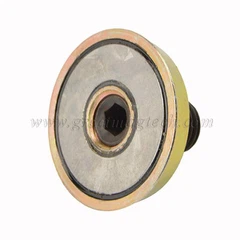
A: Yes. SFRC is generally compatible with magnetic formwork, magnetic chamfers, and embedded accessories. You should confirm magnet positioning and form stability during vibration and casting.