





If your shuttering magnets are losing grip, failing early, or just not performing the way they should, you are not alone. We work with precast concrete plants around the world, and most of the time the issues come down to the same handful of problems. In this guide, you will find the 5 most common shuttering magnet problems, why they happen, and what you can do to fix them or avoid them entirely. Whether you are troubleshooting a current issue or looking to make a smarter purchase next time, this guide is for you.
What You Need to Know About Shuttering Magnets
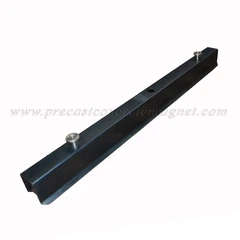
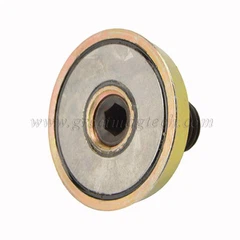
A shuttering magnet is a switchable magnetic box used to hold side forms in place on your steel casting table during precast concrete production. You press the switch to activate it, position your formwork, pour the concrete, then release and remove it when the job is done. No drilling, no bolts, no damage to your casting table. It sounds simple, and it is when the magnet is made properly. But when the quality is off, even small issues like a weak magnet core or poor flatness can cause your mold to shift, your panels to come out wrong, and your production line to stop.
The 5 Most Common Shuttering Magnet Problems
Based on feedback from precast plants worldwide, the issues below represent the problems you are most likely to encounter during daily production. Each one affects your formwork stability, panel quality, or production efficiency in different ways. Understanding these problems helps you identify what is going wrong and take the right corrective action before minor issues turn into costly downtime or rejected panels.
Problem 1 – Loss of Magnetic Pull Force
This is one of the most frequently reported issues in precast production environments.
Signs and Symptoms
Side forms shift position during concrete casting, finished panels exhibit dimensional deviations, or the magnetic holding force is noticeably reduced compared to initial performance.
Root Causes
Elevated operating temperatures are the primary cause. When ambient temperature exceeds 80 degrees Celsius, NdFeB magnets undergo irreversible demagnetization. The second major factor is inferior raw material quality, where substandard magnet cores lose pull force significantly faster than specification standards allow.
How to Solve It
Conduct pull force testing every three months using calibrated equipment. Replace units when measured force falls below 80 percent of rated capacity. Request verified pull force test reports from suppliers before purchase to ensure actual performance meets or exceeds stated specifications.
Problem 2 – Corrosion and Surface Damage
Surface rust and corrosion can compromise both magnetic performance and the quality of your finished panels.
Signs and Symptoms
You notice rust spots or oxidation on the magnet body, rough or pitted contact surfaces, visible corrosion around the switch mechanism, or rust stains transferring onto your concrete panels during demolding.

Root Causes
Most corrosion occurs when magnets are stored in high-humidity environments without a proper protective coating. Water exposure during cleaning or outdoor storage accelerates the process. Poor quality paint or zinc plating from the manufacturer also fails to provide adequate long-term protection against moisture penetration.
How to Solve It
Store magnets in a dry indoor location when not in use. Clean them with a dry cloth rather than water after each shift. Inspect the protective coating before purchase and request documentation of the coating specification. Replace magnets showing active corrosion to prevent contamination of your concrete surface.
Problem 3 – Switch Mechanism Failure
A malfunctioning switch can halt your production line and create safety risks when magnets cannot be properly activated or released.
Signs and Symptoms
The switch becomes difficult to turn or feels stuck in position; you hear grinding or clicking sounds during operation; the magnet fails to engage or release consistently, or the switch lever breaks off completely during normal use.
Root Causes
Internal components wear out from repeated cycling, especially in high-volume production environments. Concrete dust and debris enter the switch housing and interfere with the mechanical parts. Low-quality switches use inferior materials that cannot withstand the daily stress of industrial casting operations.
How to Solve It
Clean the switch housing monthly using compressed air to remove dust buildup. Avoid forcing a stuck switch, as this damages internal components. Test each magnet before every shift to confirm smooth operation. Replace units with defective switches rather than attempting field repairs.
Problem 4 – Wrong Pull Force for Application
Magnets with insufficient holding capacity for your production needs result in formwork instability and panel quality issues.
Signs and Symptoms
Formwork shifts position during concrete vibration despite proper installation; the same setup requires more magnets than previous experience would indicate, or holding strength varies noticeably across different sections of your casting table.
Root Causes
Rated pull force values are measured under optimal laboratory conditions that differ from actual working environments. Magnetic performance decreases when operating temperatures approach or exceed recommended limits. The holding capacity under dynamic loads during vibration is lower than static test results suggest.
How to Solve It
Test magnets under your actual production conditions before committing to large quantities. Verify performance at your typical operating temperature rather than relying solely on specification sheets. Allow a safety margin of at least 15 to 20 percent above your calculated minimum holding requirement.
Problem 5 – Poor Compatibility with Formwork Tables
Magnets that do not properly match your casting table specifications fail to deliver adequate holding performance regardless of rated capacity.
Signs and Symptoms
Magnets work inconsistently across different areas of your table; holding strength is noticeably weaker than expected on certain table sections, or you observe gaps between the magnet base and table surface preventing full contact.
Root Causes
Casting table surface conditions vary in thickness, flatness, or material composition across the platform. Steel tables with insufficient thickness cannot provide adequate magnetic circuit completion. Surface contamination from concrete residue or rust buildup creates separation between the magnet and the table that reduces the effective holding force.
How to Solve It
Verify that your table thickness meets the minimum requirements for magnetic circuit effectiveness. Clean table surfaces regularly to maintain direct metal contact. Measure surface flatness across the entire platform and address deviations that prevent proper magnet seating before expecting consistent performance.

How to Prevent Shuttering Magnet Problems: Expert Tips
Most shuttering magnet problems can be avoided with proper handling and regular maintenance. The preventive measures below help extend magnet lifespan and maintain consistent performance across your production operations.
|
Prevention Area |
What to Do |
Why It Matters |
|
Storage |
Keep magnets in a dry indoor location away from moisture. |
Prevents corrosion and coating degradation that weaken holding force |
|
Cleaning |
Use a dry cloth after each shift; avoid water or chemical cleaners |
Removes concrete residue without introducing moisture into the switch mechanism |
|
Temperature Control |
Monitor ambient conditions, keep below 80°C during operation |
Protects internal magnets from irreversible demagnetization |
|
Regular Testing |
Check pull force every three months with calibrated equipment |
Identifies performance decline before it causes production failures |
|
Inspection |
Examine switch operation, surface condition, and base flatness weekly |
Catches early signs of wear or damage before complete failure occurs |
|
Proper Handling |
Avoid dropping or impact during transport and daily use |
Maintains base flatness and prevents internal component damage |
Why Choose Our Formwork Magnetic Boxes for Your Precast Component Plant?
Understanding these common questions will help you choose magnetic box products that effectively avoid potential problems. Our template magnetic boxes are designed for precast component production, certified to have a magnetic force of up to 2100 kg, and maintain stable performance at temperatures up to 80 degrees Celsius. Each product comes with an independent test report and undergoes industrial-grade corrosion protection. Since 2019, we have supplied magnetic boxes to numerous factories worldwide, consistently demonstrating superior performance in real-world production environments. We can help you view detailed specifications, quality inspection standards, and feedback from factory customers who frequently use our magnetic boxes.

450KG Shuttering Magnet

900KG Shuttering Magnets

1300KG Precast Magnet

2100kg Precast Concrete Shuttering Magnet
Conclusion
Most shuttering magnet problems come down to quality issues that show up during daily production use. Now you know the five most common problems, their root causes, and practical solutions to handle them. Regular testing and proper maintenance extend the magnet's lifespan and keep your casting line running smoothly. If you are dealing with recurring magnet failures or looking for reliable replacements, explore our shuttering magnets engineered to prevent these issues from the start. Visit our website at precastconcretemagnet.com for technical specifications and sample testing options.
FAQ
Q: How often should I test my shuttering magnets?
A: Test pull force every three months using calibrated equipment. Replace any magnet that measures below 80 percent of its rated capacity to prevent formwork movement during production.
Q: Can I repair a damaged shuttering magnet?
A: Most magnet problems cannot be repaired in the field. Issues like demagnetization, internal cracking, or base flatness damage require replacement rather than repair to maintain safe production standards.
Q: How should I store magnets when not in use?
A: Keep magnets in a dry indoor location away from moisture and direct sunlight. Store them in the deactivated position and avoid stacking in ways that could damage the base surface or switch mechanism.
Q: What causes rust stains on my concrete panels?
A: Corroded magnets transfer rust particles onto panel surfaces during contact. Replace magnets showing active corrosion and improve storage conditions to prevent moisture exposure between production shifts.
Q: Is it normal for the switch to become harder to operate over time?
A: No. Difficulty turning the switch indicates concrete dust buildup or internal wear. Clean the mechanism monthly with compressed air and replace units that require excessive force to operate.