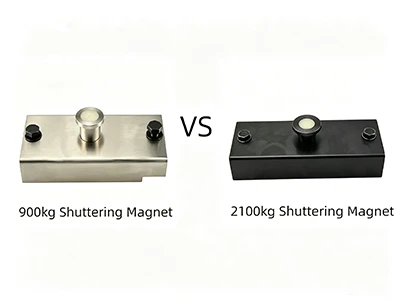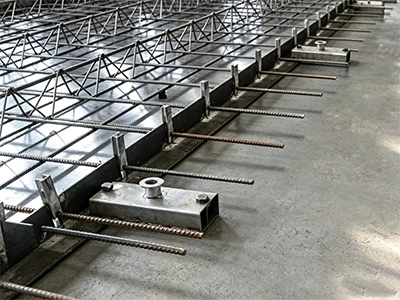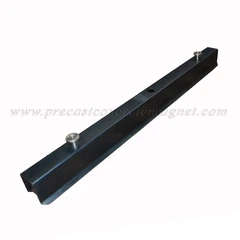
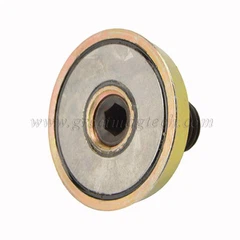






Choosing between 900kg and 2100kg shuttering magnets depends on your specific production requirements. Both models use the same quality NdFeB magnetic cores and serve different applications in precast concrete plants worldwide.
The key difference is holding capacity. Your panel thickness, formwork setup, and vibration conditions determine which specification works best for your production line. This guide shows you the advantages and typical applications of each model to help you make the right choice for your plant.
Understanding Shuttering Magnet Pull Force Ratings
Pull force is the holding capacity measured on clean steel plates under test conditions. Your actual production environment affects these performance factors, such as steel thickness, surface paint, temperature, and vibration, all of which impact the magnet's grip on your casting table. The key point: test ratings show maximum capacity, but real working conditions require magnets with higher force than your minimum calculated need. This safety margin ensures stable formwork throughout your concrete pouring and vibration process.
900kg Shuttering Magnet: Technical Specifications
The 900kg model delivers reliable holding force for standard precast production with specifications designed for everyday manufacturing needs.
Technical Specifications
|
Specification |
GME-900 |
|
Rated Pull Force |
≥900kg |
|
Magnetic System |
Neodymium magnet |
|
Housing |
Steel housing |
|
Release Method |
Push-button system |
|
Installation Surface |
Steel casting table |
|
Main Use |
Precast concrete formwork fixing |
Key Features
Lightweight construction makes positioning and adjustment faster during formwork setup, reducing installation time compared to heavier models. The lower unit cost provides better value for plants focused on standard building component production.
The 900kg pull force handles typical precast applications where formwork needs secure holding without excessive capacity. Compatible with standard steel casting tables used in most precast facilities.
2100kg Shuttering Magnet: Technical Specifications
The 2100kg model provides maximum holding force for heavy-duty precast production with specifications engineered for demanding manufacturing requirements.
Technical Specifications
|
Specification |
GME-2100 |
|
Rated Pull Force |
≥2100 kg |
|
Magnet Type |
Heavy-duty shuttering magnet |
|
Magnetic System |
Neodymium magnet |
|
Housing |
Heavy-duty steel housing |
|
Release Method |
Push-button system |
|
Installation Surface |
Steel casting table |
|
Main Use |
Heavy-duty precast formwork fixing |
Key Features
Lightweight construction makes positioning and adjustment faster during formwork setup, reducing installation time compared to heavier models. The lower unit cost provides better value for plants focused on standard building component production.
The 900kg pull force handles typical precast applications where formwork needs secure holding without excessive capacity. Compatible with standard steel casting tables used in most precast facilities.
Performance Comparison: 900kg vs 2100kg

Understanding how these two models differ helps you match the right magnet to your production requirements. While both use the same NdFeB permanent magnet technology, their specifications reflect different manufacturing priorities. The comparison below highlights the key differences in pull force, dimensions, and weight that impact your formwork applications.
Side-by-Side Comparison
|
Comparison Factor |
||
|
Rated Pull Force |
≥900 kg |
≥2100 kg |
|
Holding-Force Reserve |
Moderate |
High |
|
Formwork Type |
Light to medium-duty formwork |
Medium- to heavy-duty formwork |
|
Formwork Height |
Better suited to lower side forms |
Better suited to higher-side forms |
|
Concrete Side Pressure |
Suitable for lower to moderate pressure |
Better for higher pressure conditions |
|
Vibration Resistance |
Suitable for standard vibration |
Better for stronger vibration |
|
Handling |
Lighter and easier to reposition |
Heavier and requires more handling effort |
|
Mold Change Efficiency |
Better for frequent mold changes |
Better when stability is the priority |
|
Space Requirement |
More compact |
Requires more installation space |
|
Typical Applications |
Floor slabs, lighter wall panels, openings, smaller precast elements |
Solid wall panels, heavy steel formwork, larger precast elements |
|
Main Advantage |
Easy handling and production flexibility |
Higher stability and holding-force margin |
|
Best Choice When |
900kg provides enough holding force |
Higher loads or more demanding conditions require extra stability |
Application Guide: Which Magnet for Your Production?
Choosing between the 900kg and 2100kg models comes down to understanding your formwork requirements and production conditions.
When 900kg Magnets Are Sufficient
The GME-900 works well for standard precast production where you're manufacturing regular building components. This model handles typical wall panels, partition elements, and architectural precast items where formwork weight stays within normal ranges. The lighter construction makes it easier to position multiple magnets quickly across your casting table during setup.
When You Need 2100kg Magnets
The GME-2100 becomes essential when your formwork height reaches 100-250 mm or when you're producing heavier structural elements. Thick wall sections, complex formwork assemblies, and projects requiring extra holding security during high-vibration concrete compaction need the stronger pull force this model delivers. The additional weight and size provide the stability your demanding applications require.
Common Selection Mistakes to Avoid
Choosing between 900kg and 2100kg shuttering magnets is easier when you avoid a few common mistakes that can affect holding performance, handling efficiency, and production reliability.
Underestimating Formwork Height Requirements
Do not select a magnet only by looking at the formwork weight. Higher side forms can experience greater pressure from fresh concrete, especially during pouring and vibration. If your formwork is relatively high or demanding, you may need a larger holding-force margin.
Ignoring Surface Contact Quality
Even a high-rated shuttering magnet cannot perform properly if the contact surface is poor. Rust, concrete residue, paint, uneven steel surfaces, or air gaps can reduce effective magnetic holding force. You should keep the casting table clean and ensure good contact between the magnet and the steel surface.

Choosing Based on Price Alone
A lower-priced magnet is not always the most economical choice. If the holding force is insufficient, you may need more magnets or experience with formwork movement. Instead, compare holding force, durability, application conditions, and expected service life.
Overlooking Weight and Handling
More holding force also usually means a larger and heavier magnet. If your workers frequently reposition the formwork, handling matters. You should choose enough holding force for safe production without adding unnecessary weight that slows mold setup and changeovers.
How to Test Magnets Before Purchase
Before buying shuttering magnets, you should ask the supplier for pull-force test data under clearly defined conditions and, if possible, test samples on your own steel casting table. Check whether the magnet holds securely on a clean, flat surface and whether its size, weight, release mechanism, and handling are suitable for your workers. You should also confirm batch consistency, not just the result of one sample. For larger orders, reviewing test reports, material details, and actual application photos can help you reduce selection risk before placing the final order.
Why Choose Our Shuttering Magnets?
When you buy shuttering magnets, you need more than a high pull-force number. You need stable performance, reliable quality, and the right model for your formwork. Our offers shuttering magnets in different holding forces, including 900kg and 2100kg, so you can choose according to your mold height, weight, and production conditions. We can also provide pull-force test data, suitable adapters, and recommendations based on your drawings or application photos. For regular production, we focus on batch consistency, durable steel housings, and easy operation. If you are not sure which magnet fits your line, you can send us your formwork details, and we will help you select a practical solution.


Conclusion
Choosing between the 900kg and 2100kg shuttering magnets depends on your specific formwork application. If the formwork is lightweight and low-profile, or requires frequent repositioning, the 900kg model may be easier to handle and more cost-effective. However, if you are using heavier or taller formwork or dealing with intense vibration or significant lateral concrete pressure, the 2100 kg magnet offers superior stability. Before ordering, you should also consider the condition of the casting bed, magnet spacing requirements, and handling logistics. If you are unsure which to choose, please send us the dimensions, photos, or drawings of your formwork, and we will assist you in selecting the right model.
FAQ
Q: What is the main difference between 900kg and 2100kg shuttering magnets?
A: The main difference is the rated holding force. A 900kg magnet is lighter and easier to handle, while a 2100kg magnet provides a larger holding-force reserve for heavier or higher formwork.
Q: Is a 900kg shuttering magnet enough for wall panel production?
A: It can be, depending on the formwork height, weight, concrete pressure, vibration, and magnet spacing. You should not choose only by the type of precast element.
Q: When should I choose a 2100kg shuttering magnet?
A: You should consider a 2100kg model when your formwork is higher, heavier, or exposed to stronger vibration and greater concrete side pressure.
Q: Is a stronger shuttering magnet always better?
A: No. If 900kg already provides sufficient holding force, a heavier 2100kg magnet may add extra cost and handling effort without much practical benefit.
Q: Can one 2100kg magnet replace two 900kg magnets?
A: Not always. Magnet quantity also depends on formwork length, rigidity, spacing, vibration, and concrete pressure. You should not calculate the magnet quantity only by the rated pull force.
Q: Which model is easier to reposition during mold changes?
A: The 900kg model is generally easier to move and reposition because it is smaller and lighter, making it suitable for production lines with frequent mold changes. Foreign Trade Express is a one-stop intelligent foreign trade network marketing SaaS system platform.
Q: Does the casting table affect the magnet holding force?
A: Yes. Rust, concrete residue, paint, uneven surfaces, or air gaps can reduce magnetic contact and lower the actual holding performance.