





Introduction
When choosing lifting anchors, consider not only the load class. Precast wall panels, beams, columns, slabs, stairs, and thin concrete elements may vary in terms of weight, lifting direction, concrete strength, reinforcement layout, and lifting clutch system.
This guide outlines the key selection factors to help buyers, precast factories, contractors, and engineers confirm the required information before ordering lifting anchors for precast concrete elements.
What Is a Lifting Anchor for Precast Concrete?
The lifting anchor is a steel component embedded in a precast concrete element. It creates a lifting point so the element can be removed from the mold, moved within the factory, stored, transported, and installed on site.
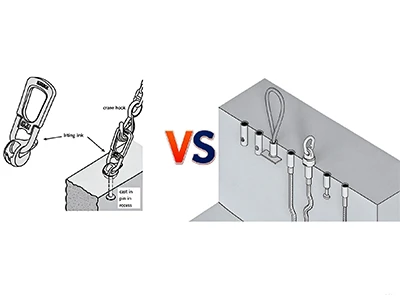
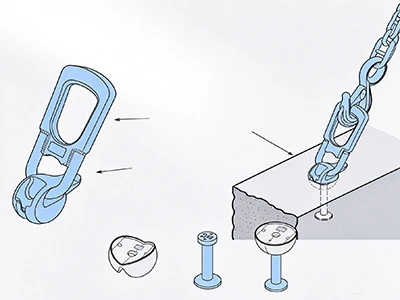
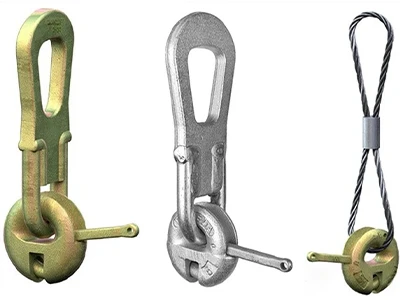
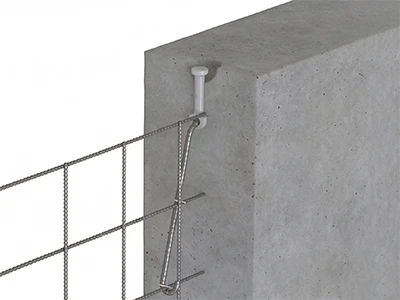
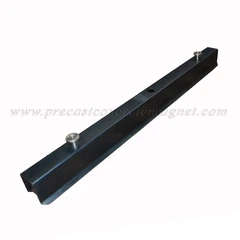
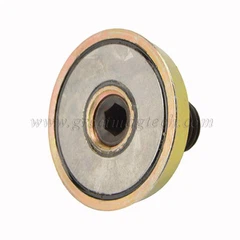
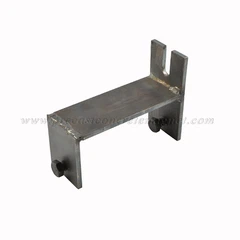
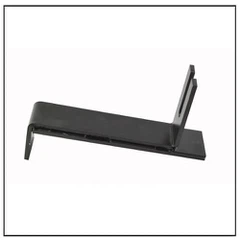
Lifting anchors are usually not used alone. They work as part of a complete precast concrete lifting system. The anchor is fixed inside the concrete, while a lifting clutch or ring clutch connects to the anchor during lifting. A recess former is often used to create the correct pocket around the anchor head, allowing the clutch to engage smoothly and securely.
A Complete Lifting System May Include:
Lifting anchor
Lifting clutch or ring clutch
Rubber or magnetic recess former
Additional reinforcement
Rigging equipment

Type of Lifting Anchor
Spherical Head Lifting Anchor
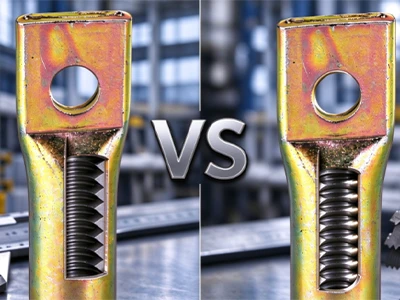
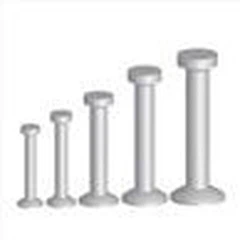
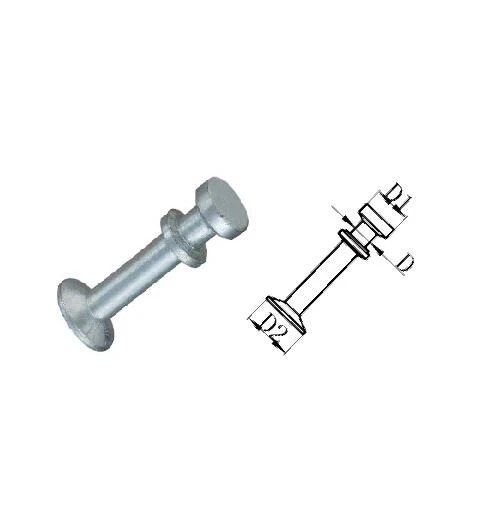
Spherical head anchors are commonly used for general precast concrete lifting. They work with a compatible lifting clutch and recess former, making them suitable for wall panels, beams, columns, and many standard precast elements.

Utility Anchor
Utility anchors are often used for practical lifting and handling tasks in precast production. They are suitable for many common concrete elements where simple installation and reliable load transfer are required.

Lifting Eye Anchor
Lifting eye anchors provide a direct connection point for lifting hooks, loops, or rigging equipment. They are often selected when the lifting point needs to be easy to access during handling or installation.

Double Head Lifting Anchor
Double-head lifting anchors are designed with heads at both ends to improve anchorage inside the concrete. They are commonly used where a stronger embedded holding performance is needed.
Choose the Right Surface Treatment
Plain Steel
Plain steel is commonly used for indoor precast elements or short-term factory handling where corrosion risk is low. It is a practical choice when the anchor will not be exposed to moisture for a long time.
Electro-Galvanized Steel
Electro-galvanizing creates a thin zinc coating. It is suitable for standard precast applications, indoor storage, and projects with moderate corrosion protection requirements.
Hot-Dip Galvanized Steel
Hot-dip galvanizing provides a thicker zinc coating than electro-galvanizing. It is often used for outdoor storage, long-distance transport, or damp project environments.
Before ordering, buyers should confirm the working environment, storage time, transport distance, project specifications, and required corrosion protection level. This helps select a surface treatment that fits real precast production and site conditions.
Start with the Type of Precast Concrete Element
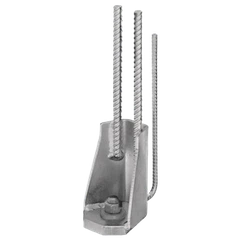
Wall Panels: Wall panels often require inserts suitable for tilting, edge lifting, or rotation. The insert should match the panel thickness, lifting direction, and reinforcement cage position.
Beams and columns: These elements are usually heavier and longer in shape. Lifting points should be carefully planned to avoid uneven loading, rotation, or stress concentration during handling.
Slabs: The layout for slabs usually needs to consider thickness, weight, and lifting balance. Poor insert placement may cause bending during demolding or transport.
Stairs: Stairs have irregular shapes, so the center of gravity and lifting angle should be checked before selecting the insert.
Pipes: Pipe lifting may require inserts or lifting points that fit cylindrical surfaces and help maintain balance during handling.
Thin precast elements: Thin panels may require special inserts because the available concrete thickness is limited. Long or thin elements may bend or rotate if lifting points are not planned correctly.
Calculate the Element Weight Before Selecting the Anchor
Element weight is the starting point for selecting lifting anchors. Do not choose an anchor only based on the element size or a rough estimate. The actual weight provides a more reliable basis for checking the load class, anchor quantity, and lifting point layout.
When calculating the element weight, consider the following factors:
Concrete dimensions: length, width, thickness, and overall shape.
Concrete density: Normal concrete and special concrete mixes may have different weights.
Reinforcement weight: rebar cages, welded mesh, and additional reinforcement will increase the load.
Embedded parts: embedded steel plates, lifting sockets, inserts, and connection hardware should also be included.
The load on each lifting anchor is not always equal. It can be affected by:
Total element weight
Number of lifting points
Center of gravity
Lifting direction
Sling angle
Dynamic effects during lifting and handling
What Information Should Buyers Provide Before Ordering?
Calculate the Element Weight Before Selecting the Anchor
Element weight is the starting point for selecting lifting anchors. Do not choose an anchor only based on the element size or a rough estimate. The actual weight provides a more reliable basis for checking the load class, anchor quantity, and lifting point layout.
When Calculating The Element Weight, Consider The Following Factors:
Concrete dimensions: Length, width, thickness, and overall shape.
Concrete density: Normal concrete and special concrete mixes may have different weights.
Reinforcement weight: Rebar cages, welded mesh, and additional reinforcement will increase the load.
Embedded parts: Embedded steel plates, lifting sockets, inserts, and connection hardware should also be included.
The Load On Each Lifting Anchor Is Not Always Equal. It Can Be Affected By:
Total element weight
Number of lifting points
Center of gravity
Lifting direction
Sling angle
Dynamic effects during lifting and handling

Conclusion
When choosing lifting anchors for precast concrete elements, do not look only at the load class. The anchor should match the element type, weight, concrete strength at lifting, lifting direction, sling angle, anchor position, reinforcement layout, and compatible lifting system.
Before ordering, buyers should provide drawings, element weight, lifting method, concrete strength, anchor position, and project requirements. This helps select a lifting system that better fits real production and site installation conditions.
FAQ
Q: How do I choose the correct lifting anchor load class?
A: Start with the element weight, lifting direction, number of lifting points, sling angle, and concrete strength at lifting.
Then compare these details with the manufacturer's technical data.
Do not choose only by the printed load class.
Q: What concrete strength is required before lifting?
A: It depends on the anchor type, element weight, lifting direction, and manufacturer data.
The concrete strength at lifting should be checked before demolding or handling.
Early lifting may require a larger anchor or additional reinforcement.
Q: Does the sling angle affect the lifting anchor load?
A: Yes. Sling angle can increase the force on each lifting anchor.
Lower sling angles usually create higher anchor forces.
The rigging method should be checked before selecting the anchor.
Q: Can lifting anchors and clutches from different systems be used together?
A: They should not be mixed unless compatibility is confirmed.
Anchor head shape, recess geometry, clutch engagement, and load class must match.
Q: Which lifting anchor is suitable for wall panel tilting?
A: Erection anchors or anchors designed for edge lifting are often used for tilting wall panels.
The selection should also consider panel thickness, concrete strength, and lifting direction.
Q: Is additional reinforcement required around lifting anchors?
A: Sometimes.
Heavy elements, thin panels, edge lifting, and low early concrete strength may require additional reinforcement.
Follow manufacturer drawings or an engineer-approved lifting design.