





Introduction:
The construction industry continues to evolve, placing an increasing emphasis on efficiency, speed, and sustainability. Against this background, precast concrete has gained popularity as a versatile and time-saving construction method. A key element in the precast concrete process is the formwork and advances in technology have led to the introduction of precast concrete formwork magnets, significantly increasing the efficiency of construction projects.

Learn about precast concrete formwork:
Precast concrete involves casting elements in a controlled environment and then transporting them to the construction site. Formwork magnet is a key component in this process, acting as a mold or framework for the concrete to be formed. Traditional formwork methods often involve time-consuming and labor-intensive processes. However, the introduction of precast concrete form magnets revolutionized this aspect of construction.

How to use precast concrete formworks:
Precast concrete forms involve several key steps to ensure a successful and efficient construction process. Here is a step-by-step guide on how to use precast concrete forms:
Design and planning:
This begins with a thorough design of the precast concrete elements and formwork system. Consider factors such as the size, shape, and specifications of the concrete members.
Plan the formwork layout, taking into account the sequence of pouring, transportation, and installation at the construction site.
Prepare template:
Make sure the formwork is clean and free of any debris or residue that could affect the quality of the concrete.
Apply a release agent or form oil to the inner surface of the formwork so that it can be easily released after the concrete has cured.
To place precast concrete magnets:
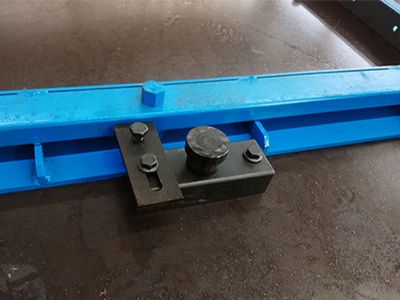
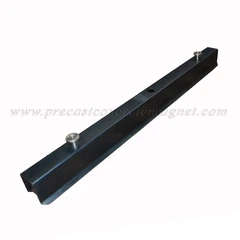
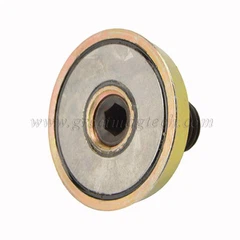
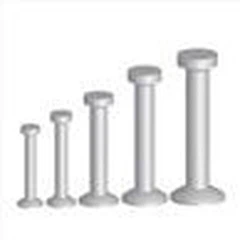
Place precast concrete formwork magnets strategically on the form ensuring proper alignment and spacing according to design specifications.
Consider the magnetic strength required for your specific project and adjust the magnet accordingly.
Installation and reinforcement:
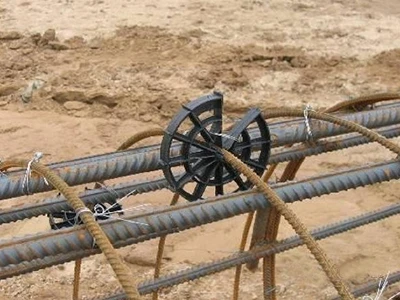
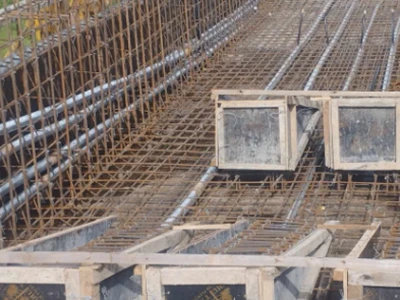
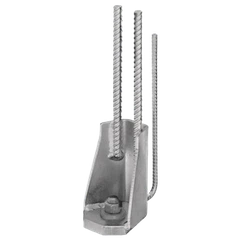
If required, install reinforcement within the formwork according to design specifications. Make sure the rebar is properly placed and secured.
To place and cure concrete:
Pour the concrete mixture into the form, ensuring even distribution and avoiding air pockets.
Allow the concrete to cure for the recommended time and conditions. Curing industry standards are followed to ensure the strength and durability of precast elements.
Demolding of prefabricated components:
After the concrete has fully cured, the precast elements are molded. The use of precast concrete form magnets simplifies the process by eliminating the need for traditional fixing methods.
Remove the formwork carefully, taking care not to damage the edges or surfaces of the precast concrete elements.
Inspection and Shipping:
Inspect prefabricated elements for any defects to ensure they meet quality standards.
If necessary, transport the prefabricated elements to the construction site. Magnets are generally easy to handle and transport.
Construction site installation:
Precast elements are placed on the construction site according to a predetermined layout.
Use appropriate lifting equipment or methods to safely and accurately install precast elements in designated locations.
Secure connection:
Follow engineering codes and safety guidelines to securely connect precast elements to existing structures.
Finish and seal:
Any finishing touches are required to complete the precast elements, such as surface treatments or coatings.
Seams and connections are sealed to ensure overall structural integrity and longevity.

Case 1: High-rise residential tower construction
Project summary:
A prominent construction company has been contracted to build a high-rise residential tower in a downtown area. The project aims to provide high-quality living space within a limited time frame.
Challenge:
Traditional formwork methods were considered impractical due to time constraints and the complex geometry of the building's architectural design. The construction team selected precast concrete from magnets to speed up the process.
Solved:
Precast concrete formwork magnets are carefully positioned to ensure precise alignment of form components. Magnets significantly reduce the time required to assemble and disassemble formwork, allowing for the rapid production of prefabricated elements.
Result:
Time Savings: Using magnets, we were able to reduce overall formwork installation time by 30% and keep the project on schedule.
Cost Efficiency: Shorter turnaround times significantly reduce labor costs associated with formwork, resulting in cost savings.
Precision and quality: Magnets ensure precise positioning of formwork components, resulting in high-quality precast elements that comply with strict building regulations.
Advantages of precast concrete formwork magnets:
Improve speed and efficiency:
The use of magnets in precast concrete forms facilitates quick assembly and disassembly.
Magnets eliminate the need for traditional fixing methods such as screws or bolts, thereby reducing the overall time required for formwork installation and removal.
save costs:
Time saved during construction translates directly into cost savings. Reduced man-hours and faster project completion help improve overall budget efficiency.
Enhanced accuracy:
Magnets ensure the safe and precise installation of formwork components, reducing the risk of misalignment or errors during construction.
Reusable and durable:
Precast concrete formwork magnets are engineered to be durable and can be reused on multiple construction projects, making them a sustainable and cost-effective option.
Conclusion:
Precast concrete formwork magnets represent a key advancement for the construction industry, providing solutions that increase efficiency, reduce costs, and improve overall project outcomes. As technology continues to evolve, further innovations in this area may contribute to continued shifts in construction methods.