





Introduction
In reinforced concrete structures, the concrete cover protects rebar from moisture, corrosion, fire, and surface damage. However, this protection only works when the rebar is kept at the correct depth.
For slabs, beams, walls, columns, and precast concrete components, choosing the right spacer height is not just a small installation detail. It directly affects concrete durability, safety, inspection results, and long-term performance.
Quick Answer
Spacer height affects concrete cover by controlling the distance between the rebar and the concrete surface. Correct spacer height keeps rebar in the designed position and helps maintain consistent cover thickness. If the spacer is too low, the cover may be insufficient, increasing the risk of corrosion, cracking, and inspection failure. If it is too high, the rebar position may be affected, reducing structural accuracy.
What Is Spacer Height in Concrete Construction?
Spacer height refers to the distance between the rebar and the formwork, mold, or casting surface.
Spacer height is usually selected according to project drawings, concrete cover standards, site specifications, and the designed rebar position. It should not be chosen based only on the rebar size.
Choosing the correct spacer height helps prevent insufficient concrete cover, exposed reinforcement, and uneven rebar placement. For reinforced concrete and precast concrete production, this small detail directly affects durability, inspection results, and long-term structural quality.

Concrete Spacers

Concrete Spacers

Concrete Spacers

Concrete Spacers
Why Concrete Cover Quality Matters
Concrete cover quality is important because it protects reinforcement from moisture, corrosion, chemicals, and fire exposure. In reinforced concrete, rebar should not be placed too close to the surface. It requires sufficient surrounding concrete to remain properly protected throughout the structure's service life.
Correct spacer height is one of the simplest ways to control concrete cover thickness. By holding the rebar in the designed position, spacers help maintain consistent cover thickness, improve construction accuracy, and support better long-term concrete performance.
How Spacer Height Controls Rebar Position
Spacer height controls the distance between the rebar and the formwork surface. Before concrete pouring, spacers support the reinforcement and keep it at the designed depth. The spacers should sit firmly on the mold or formwork surface and support the rebar without shifting.
Accurate rebar positioning helps ensure consistent concrete cover quality, better corrosion protection, and fewer inspection problems after casting.

What Happens If Spacer Height Is Too Low?
If the spacer height is too low, the rebar may sit too close to the concrete surface. This can lead to insufficient concrete cover, which is one of the most common causes of long-term durability problems in reinforced concrete.
Low spacer height can also create problems during inspection and acceptance. If the actual concrete cover does not meet the project drawings or specifications, the work may fail quality checks or require correction before final acceptance.
What Happens If Spacer Height Is Too High?
When the spacer height is too high, the reinforcement may be lifted beyond its designed position. This can affect structural accuracy, especially in slabs, beams, and precast concrete elements, where rebar depth must strictly follow the project drawings.
Excessive spacer height can also interfere with rebar layout, mesh position, or the available concrete thickness. In areas with dense reinforcement, this may increase installation difficulty and make it harder to maintain accurate rebar spacing.
Spacer Height Selection for Different Concrete Elements
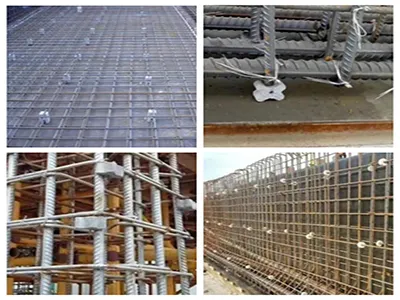
Slabs usually require chair spacers or bar supports to keep the bottom reinforcement at the correct height. The spacer must be strong enough to support the rebar mesh during installation and concrete pouring without sinking, tilting, or breaking.
Beams and foundations often carry heavier reinforcement. In these areas, the spacer height must be matched with higher load capacity to prevent the rebar cage from sagging or pressing down on the formwork.
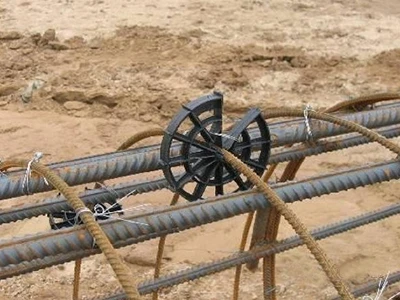
Walls and columns usually require wheel spacers to maintain the side concrete cover. These spacers help keep vertical reinforcement centered and prevent the rebar from getting too close to the mold surface.
Precast concrete panels require more accurate and repeatable spacer placement because dimensional tolerance and surface quality are usually strictly inspected.
Spacer Height and Load Capacity
Spacer height is important, but height alone is not enough. The spacer must also have enough load capacity to support the reinforcement before and during concrete pouring. If the spacer is not strong enough, even the correct height will not work properly because it may deform, break, or sink under the weight of the rebar cage.
For better concrete cover control, spacers should be selected according to rebar weight, rebar spacing, concrete pressure, and site conditions. A spacer with the right height and sufficient load capacity helps keep the reinforcement stable, reduces rework, and lowers the risk of construction defects.

Common Mistakes When Choosing Spacer Height
· Choosing spacers without checking the project drawings or concrete cover requirements. Spacer height should always match the specified concrete cover thickness, not just the commonly available spacer height on site.
· Using the same spacer height for slabs, walls, beams, and columns. Different structural elements usually require different cover depths, support methods, and spacer types.
· Low-quality spacers may deform, break, or sink, causing the rebar to move out of position. Spacers placed too far apart can also cause rebar to sag between support points.
· Other common mistakes include confusing spacer height with total concrete thickness, reusing damaged or deformed spacers, ignoring pre-pour inspection, and choosing low-cost spacers that cannot maintain stable cover thickness during concrete pouring and vibration.
How to Choose the Right Spacer Height for Your Project
Consider where the spacer will be used. Bottom cover for slabs and beams may require chair spacers or rebar supports. Side cover for walls, columns, and vertical reinforcement may require wheel spacers or side spacers. Each position has different stability and load requirements.
Match the spacer height with the concrete element. Slabs, beams, walls, columns, foundations, and precast panels may require different cover thicknesses. Rebar size, rebar weight, and reinforcement density should also be considered, especially when heavy reinforcement cages are used.
Spacer material is also important. Plastic, concrete, or other types of spacers should be selected according to load capacity, exposure conditions, and production methods.
Conclusion
Spacer height directly affects concrete cover thickness. When the spacer height is correct, the rebar stays in the designed position, the concrete cover remains consistent, and the final structure has better durability and reliability.
For reinforced concrete and precast concrete projects, the proper spacer height should be selected based on concrete cover requirements, rebar layout, structural element type, load capacity, and site conditions.
FAQ
Q: Why is spacer height important for concrete cover quality?
A: Spacer height is important because it controls the distance between the rebar and the concrete surface. When the spacer height is correct, the rebar stays in the designed position and the concrete cover thickness remains consistent.
Q: What happens if the spacer height is too low?
A: If the spacer height is too low, the rebar may be too close to the concrete surface. This can lead to insufficient concrete cover, increased corrosion risk, surface cracking, rust stains, and even failed inspections.
Q: What happens if the spacer height is too high?
A: If the spacer height is too high, the rebar may move away from its designed position. This can affect reinforcement alignment, structural accuracy, and load distribution.
Q: How do I choose the right spacer height?
A: Start with the required concrete cover thickness specified in the project drawings or standards. Then consider the concrete element type, rebar size, reinforcement density, load requirements, and site conditions.
Q: Do slabs, beams, walls, and columns need different spacer heights?
A: Yes. Slabs, beams, walls, columns, foundations, and precast panels may require different concrete cover thicknesses. The spacer height should match the structural element and rebar position.
Q: Which spacers are used for the bottom cover?
A: Chair spacers, rebar supports, and concrete spacer blocks are commonly used for bottom cover in slabs, beams, foundations, and horizontal reinforcement areas.
Q: Can weak spacers cause rebar movement?
A: Yes. Weak spacers may deform, break, or shift under the weight of reinforcement or during concrete vibration. This can result in uneven concrete cover and poor rebar positioning.
Q: How can precast factories maintain consistent spacer height?
A: Precast factories should use spacers with accurate dimensions, stable load capacity, and easy installation. Regular inspection before pouring helps maintain consistent concrete cover quality.