






Introduction
Shuttering magnets are used repeatedly in precast concrete production, so proper storage is important for maintaining their performance and service life. Concrete residue, moisture, impact, and improper stacking can damage the housing, switch mechanism, and bottom contact surface.For precast plants, safe storage is part of daily equipment management. It helps maintain a stable holding force, improves worker safety, reduces repair costs, and keeps magnets ready for the next production cycle.Quick Answer
Shuttering magnets should be cleaned, dried, inspected, and stored in a dry, organized area after use. Avoid stacking them randomly, exposing them to moisture, or placing them near sensitive equipment. Proper storage helps protect magnetic force, prevent housing damage, reduce safety risks, and extend service life in precast plants.
Clean Shuttering Magnets Before Storage
Cleaning is the first step for safe shuttering magnet storage. After each use, concrete residue, cement slurry, dust, and metal debris should be removed in time, especially from the bottom contact surface. This area directly affects the real holding force of the magnet. Dirt or hardened concrete can create air gaps and reduce magnetic performance during the next use.When cleaning, avoid sharp tools, heavy grinding, or rough impact to prevent surface damage. Scrapers, soft brushes, or suitable cleaning tools are better choices for daily maintenance.The switch area should also be kept clean to prevent cement slurry or small particles from causing jamming. Before storage, make sure the magnet is fully dry. This helps with inspection, safer storage, and longer service life.
Keep Magnets Dry and Away from Moisture
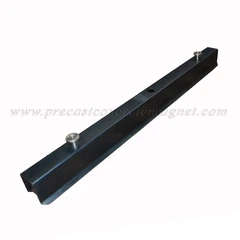
In precast plants,shuttering magnetsare often exposed to water, cement slurry, or humid environments. If they are stored before being properly dried, corrosion may occur on the steel housing, bolts, switch components, and bottom contact surface, affecting service life and operation performance.Before storage, surface residue should be removed, and the magnets should be kept dry. Do not place magnets directly on wet floors or near drainage areas, as long-term moisture exposure may damage the surface coating.It is recommended to store magnets on pallets, metal racks, or in dedicated storage boxes. This helps isolate them from ground moisture and reduces impact damage. Large plants can also set up separate storage areas to make different shuttering magnet models easier to manage and access.
Shuttering Magnet
Get A Quote

Shuttering Magnetic For Vertical Mould
Get A Quote

Shuttering Magnet Of Side Rods
Get A Quote

Precast Concrete Shuttering Magnet
Get A Quote
Avoid Random Stacking and Heavy Impact
Shuttering magnets should be handled as precision production tools, not ordinary steel blocks. Dropping, throwing, or stacking too many magnets directly on top of each other may deform the steel housing, damage the internal magnetic system, or affect the switch mechanism. Even if the magnet still looks usable, hidden damage can reduce its reliability in precast production. Whenever possible, magnets should be stored on shelves, pallets, or dedicated storage racks and kept separated from each other to prevent collision and pressure damage.
Store Magnets Away from Sensitive Equipment
Keep Away From Electronic Devices
Avoid storing shuttering magnets near computers, control panels, phones, tablets, or electrical cabinets. Strong magnetic fields may interfere with certain electronic components or cause operational issues.Avoid Measuring Instruments And Sensors
Precision measuring tools, sensors, scales, and calibration equipment should be kept at a safe distance. Even minor magnetic interference may affect measurement accuracy, which can lead to production errors.Separate Magnets From Magnetic Cards And Data Devices
Do not place shuttering magnets near magnetic cards, ID cards, storage devices, or similar items. Magnetic exposure may damage stored information or reduce its reliability.Mark Storage Areas Clearly
Precast plants should set up a dedicated magnetic storage area with clear warning signs. Workers can then identify safe zones quickly and avoid placing sensitive tools or devices nearby.
Protect the Bottom Contact Surface
The bottom contact surface directly affects how well the shuttering magnet fits against the steel casting table and determines the stability of its actual holding force. If concrete residue, cement slurry, rust, oil, or metal particles remain on the surface, small air gaps may form, reducing the magnet's working force and increasing the risk of formwork movement.When storing shuttering magnets, avoid dragging them across rough floors, stacking them carelessly, or exposing them to impact. It is better to place them on clean racks, pallets, or protective pads to reduce wear on the bottom contact surface.Before reuse, check whether the contact surface is flat, clean, and free from buildup, deformation, or uneven wear. Keeping the bottom surface in good condition helps maintain a stable holding force, improve formwork fixing accuracy, and extend the service life of the shuttering magnet.
Check the Switch Mechanism Before Storage
Before storage, check whether the shuttering magnet switch moves smoothly. Remove concrete slurry, dust, or metal debris around the moving parts to prevent jamming and wear.If the switch is stuck, do not force it, as this may damage the internal mechanism. Clean, lubricate, or repair the switch when needed. Regular inspection helps keep the magnet safe, easy to operate, and ready for the next production cycle.
Organize Magnets by Model and Force Rating
Classify by Size and Model
Store shuttering magnets according to their size, type, and compatible formwork system. This helps workers quickly find the right magnet for each production task without wasting time searching.Classify by Holding Force Rating
Magnets with different holding force ratings should be stored separately. For example, light-duty magnets and high-force magnets should not be placed in the same storage box. Using the wrong magnet may lead to insufficient holding force or unnecessary overuse.Clearly Label Storage Areas
Shelves, pallets, or containers should be clearly marked with the magnet model, holding force rating, and quantity. Clear labels help reduce confusion during busy production shifts.
Create a Regular Inspection Schedule
Check The Magnet Surface Regularly
Inspect the bottom contact surface for concrete residue, scratches, dents, or uneven wear. A clean and flat contact surface is essential for a stable magnetic holding force.Inspect The Housing And Switch Mechanism
Check for deformation, cracks, loose parts, or stuck switches. If the switch cannot operate smoothly, the magnet should be inspected before being used again.Watch For Corrosion And Performance Decline
Rust, moisture damage, or a noticeable drop in holding force may indicate poor storage or long-term wear. These magnets should be stored separately for maintenance.Test Holding Force When Possible
Regular pull-force testing helps confirm whether the magnet still meets production requirements, especially for frequently used models.Remove Damaged Magnets From Production
Do not continue using magnets with cracked housings, weak holding force, or unsafe switch operation.Keep Inspection Records
Record inspection dates, problems, repairs, and test results. This helps improve equipment management and extend the service life of shuttering magnets.
Common Storage Mistakes to Avoid
· Storing magnets without cleaning· Placing magnets on wet floors· Dropping or stacking magnets roughly· Mixing different magnet models· Ignoring damaged housings or stuck switches· Storing magnets near precision equipment
Conclusion
Proper shuttering magnet storage helps maintain stable performance and extend service life in precast plants. Magnets should be cleaned, dried, protected from impact, stored in an organized area, and inspected regularly. A well-managed storage process reduces equipment damage, improves worker safety, and ensures shuttering magnets remain reliable for repeated production cycles.
FAQ
Q: Why should shuttering magnets be cleaned before storage?
A: Shuttering magnets should be cleaned before storage to remove concrete residue, cement slurry, dust, and metal particles. If these materials remain on the bottom surface, they may create air gaps and reduce the magnet's holding force during the next use.
Q: Can shuttering magnets be stored on the floor?
A: It is not recommended to store shuttering magnets directly on the floor, especially on wet or dusty surfaces. Moisture can cause corrosion, while dirt and debris may affect the contact surface. It is better to store them on dry racks, pallets, or shelves.
Q: What happens if the shuttering magnets are stacked roughly?
A: Rough stacking may damage the housing, scratch the bottom contact surface, or affect the switch mechanism. Over time, this can reduce working performance and increase safety risks during handling and production.
Q: Why should different magnet models be stored separately?
A: Different shuttering magnet models may have different sizes, heights, and holding force ratings. Storing them separately helps workers select the correct magnet more quickly and reduces the risk of using the wrong model in production.
Q: Should damaged shuttering magnets still be used?
A: Magnets with damaged housings, deformation, stuck switches, or reduced holding force should be inspected before reuse. If the damage affects safety or performance, the magnet should be repaired or removed from production.
Q: How often should shuttering magnets be inspected?
A: Shuttering magnets should be checked regularly, especially after repeated use or long-term storage. The inspection should include the bottom surface, housing condition, switch operation, corrosion, and overall holding performance.