





Introduction
Shuttering magnets are specifically designed for repetitive use in the production of precast concrete; however, after prolonged operation, their holding force may gradually diminish. Many factories often mistakenly assume that the magnets have "lost their magnetism," but in most cases, the true cause is not permanent demagnetization. A decline in holding force is typically attributed to concrete residue, poor contact with the steel casting bed, wear on the housing, impact damage, rust, or inadequate maintenance.

Shuttering Magnet

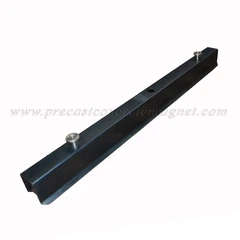
Shuttering Magnetic For Vertical Mould

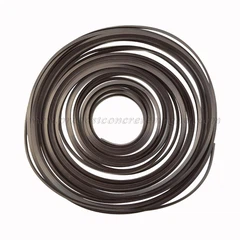
Shuttering Magnet Of Side Rods

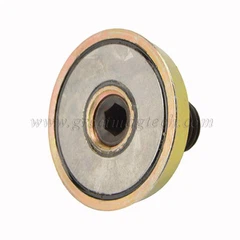
Precast Concrete Shuttering Magnet
Quick Answer
Shuttering magnets usually do not lose holding force suddenly without reason. In most cases, the problem comes from residue buildup, poor steel surface contact, housing wear, impact damage, or insufficient maintenance. By keeping the magnet base clean, protecting the housing, checking the casting table condition, and following a regular inspection routine, precast factories can maintain a stable holding force and extend the service life of shuttering magnets.
Concrete Residue and Cement Dust Build-Up
Concrete residue is one of the most common reasons shuttering magnets lose holding force over time. During daily precast production, concrete slurry, cement dust, sand particles, and fine debris can easily stick to the magnet base. Over time, these materials gradually form a barrier between the magnet and the steel casting table.
A shuttering magnet must achieve full surface contact to provide a stable and reliable holding force. Even a thin layer of dried cement or dust can create tiny air gaps between the contact surfaces, and air gaps are one of the biggest enemies of magnetic performance. As a result, the actual holding force decreases, formwork stability becomes weaker, and the risk of movement during vibration or concrete pouring increases significantly.
Rust, Oil, Paint, and Surface Contamination
Rust, oil, paint, and other surface contaminants can gradually weaken the holding force of shuttering magnets without being immediately noticed. Although the magnet itself may still appear strong, an unclean steel table reduces the actual contact area. Once the contact area is reduced, magnetic performance decreases accordingly.
Rust creates an uneven surface between the magnet base and the steel casting table. Oil and grease form a smooth layer that reduces friction and lowers stability during vibration. In addition, paint or surface coatings may block direct contact between the magnet and the table, especially when the coating is too thick or unevenly applied. This can significantly reduce the magnet's real working holding force.
Rust, Oil, Paint, and Surface Contamination
Rust, oil, paint, and other surface contaminants can gradually weaken the holding force of shuttering magnets without being immediately noticed. Although the magnet itself may still appear strong, an unclean steel table reduces the actual contact area. Once the contact area is reduced, magnetic performance decreases accordingly.
Rust creates an uneven surface between the magnet base and the steel casting table. Oil and grease form a smooth layer that reduces friction and lowers stability during vibration. In addition, paint or surface coatings may block direct contact between the magnet and the table, especially when the coating is too thick or unevenly applied. This can significantly reduce the magnet's real working holding force.
Poor Steel Casting Table Condition
The holding force of shuttering magnets depends on both the magnet itself and the condition of the steel casting table. If the working surface is too thin, uneven, rusty, or damaged, even a high-quality magnet cannot perform as expected.
Steel plate thickness plays a key role in magnetic performance. If the casting table is too thin, it cannot fully carry the magnetic flux generated by the magnet. This reduces the actual holding force and makes the formwork more likely to shift during vibration or concrete pouring.
Surface flatness is equally important. Uneven or dented casting tables prevent full contact between the magnet base and the steel surface. Even small gaps can weaken magnetic attraction and reduce the stability of the fixing system.
High Temperature and Harsh Working Conditions
Shuttering magnets are designed for high-intensity repeated industrial use, but extreme working environments can still reduce their performance over time. High temperature, moisture, chemical corrosion, and improper storage conditions can all negatively affect the magnet surface, housing, and moving parts. If the magnet is exposed for a long time to temperatures beyond its rated working range, its magnetic performance may gradually decline.
Moisture and chemical exposure can also accelerate corrosion. Cement slurry, cleaning agents, and high-humidity environments may attack the magnet housing or exposed metal components. Once rust develops, the magnet base may become uneven, preventing full contact with the steel casting table and reducing the actual holding force.
Lack of Regular Maintenance
Although shuttering magnets are reusable tools, they are not maintenance-free. In daily precast production, they are exposed to concrete residue, cement dust, vibration, impact, moisture, and repeated handling. Without routine inspection and cleaning, small hidden problems can gradually weaken their holding force and affect overall formwork stability.
Operators should regularly check whether screws are loose, switches are stuck, housings are worn, and base surfaces are damaged. These issues may seem minor at first, but they can prevent the magnet from fully contacting the steel casting table. Once the contact surface becomes uneven or contaminated, the actual holding force will decrease accordingly.
How to Prevent Shuttering Magnets from Losing Holding Force

Clean the Magnet Base After Daily Use
After each production cycle, clean the magnet base to remove concrete slurry, cement dust, sand particles, and dried residue. These materials may look insignificant, but they can create air gaps between the magnet and the steel table. Regular cleaning helps ensure full contact and maintain a stable holding force.
Keep the Steel Casting Table Clean, Flat, and Dry
The steel casting table is an important part of the magnetic working system. Rust, oil stains, paint films, moisture, or uneven surfaces can weaken magnetic contact. Even a high-quality shuttering magnet cannot perform as expected if it is placed on a dirty or damaged steel surface.
Avoid Dropping, Striking, or Dragging Magnets
Rough handling may damage the magnet housing, switch mechanism, or internal magnetic circuit. Avoid dropping magnets directly onto the table or dragging them across rough surfaces. Careful handling protects both the magnet itself and the casting table from damage.
Store Magnets Properly in a Dry Area
When magnets are not in use, they should be stored in a dry and protected area. Moisture, chemical exposure, and poor storage conditions can accelerate rust, surface wear, and mechanical failure.
Regularly Inspect the Switch, Housing, and Base Surface
Check whether the switch operates smoothly, whether the housing is deformed, and whether the base surface remains flat. If these small issues are not handled in time, they may gradually lead to reduced holding force.
Test Holding Force Periodically
For key production lines, regular holding force testing is recommended. This helps detect magnet performance loss before formwork displacement, concrete leakage, or dimensional errors occur.
Replace Severely Damaged Magnets in Time
If a magnet is severely worn, deformed, or unstable during use, it should be replaced before it affects production accuracy. Compared with the losses caused by rework, rejected precast panels, or production delays, timely replacement is often the more economical choice.
Conclusion
For precast factories, stable magnetic performance depends on the whole working system: the magnet base, steel casting table, surface condition, handling method, and maintenance routine. By cleaning magnets after use, keeping steel tables flat and dry, avoiding rough handling, and inspecting key parts regularly, factories can extend magnet service life and reduce risks such as formwork movement, concrete leakage, and dimensional errors.
FAQ
Q: Why do shuttering magnets lose holding force over time?
A: Shuttering magnets usually lose holding performance because of residue buildup, poor surface contact, housing wear, impact damage, rust, moisture, or lack of maintenance. In many cases, the magnet has not truly lost magnetism; the contact surface simply can no longer work efficiently.
Q: Does concrete residue affect the magnet holding force?
A: Yes. Concrete slurry, cement dust, sand, and dried residue can create small air gaps between the magnet base and the steel casting table. Even a thin layer of buildup can reduce the actual holding force.
Q: Can a shuttering magnet lose magnetism permanently?
A: It is possible, but not common under normal use. Permanent loss of magnetism is usually related to high temperature, severe impact, internal damage, or poor-quality magnetic materials. Most holding force problems come from dirt, wear, or poor contact.
Q: Why is a clean steel casting table important?
A: The steel casting table is part of the magnetic working system. If the table is rusty, oily, uneven, painted, or covered with dust, the magnet cannot make full contact, and the holding force will drop.
Q: How often should shuttering magnets be cleaned?
A: Shuttering magnets should be cleaned after each production cycle. Daily cleaning helps remove cement residue and keeps the magnet base flat, allowing stable contact with the steel table.
Q: Can impact damage reduce magnet performance?
A: Yes. Dropping, striking, or dragging shuttering magnets can damage the housing, switch mechanism, or internal magnetic circuit. Once the base becomes deformed, the magnet may no longer sit flat on the steel surface.
Q: How can I tell if a shuttering magnet needs replacement?
A: A magnet may need replacement if the housing is severely deformed, the switch does not work smoothly, the base surface is badly worn, or the holding force remains weak after cleaning and inspection.
Q: How can factories extend the service life of shuttering magnets?
A: Factories can extend service life by cleaning magnets regularly, keeping steel tables flat and dry, avoiding rough handling, storing magnets in dry areas, inspecting key parts, and testing holding force periodically.