




Introduction
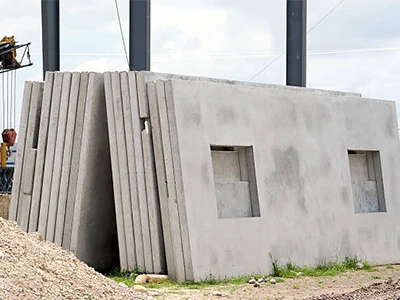
Cast-in channels are embedded inside precast concrete components during the concrete casting process. After demolding, they provide adjustable fixing points for bolts, brackets, curtain wall supports, secondary steel structures, and other building components.
This guide explains what cast-in channels are, how they work, and what their main components are, helping you better understand and use cast-in channels in precast concrete projects.
Cast-in channels are embedded steel fixing systems used in precast concrete components. They are placed in the mold before pouring, and their rear anchors become fixed in the concrete during casting. After demolding, T-bolts or hammer-head bolts can be installed into the channel to connect brackets, façade supports, MEP supports, and other building components. They help reduce post-drilling, improve installation accuracy, and provide adjustable fixing points for precast concrete projects.
How Cast-In Channels Work in Precast Concrete Connections
Cast-in channels are connection components positioned and fixed inside the mold according to the drawings before concrete pouring. During casting, the rear anchors, studs, or pins are embedded in the concrete. After demolding, the channel opening remains accessible, making it easy to install T-bolts, hammer bolts, nuts, and washers.
Once brackets or components are connected, the load is transferred through the bolts to the channel body, and then through the rear anchors into the concrete structure. This creates an adjustable, efficient, and more controlled connection method for precast concrete applications.
Main Components of a Cast-In Channel System
C-Shaped Steel Channel Body
The channel body is the main load-bearing component. Its size, thickness, and profile directly affect bolt movement, load capacity, and connection accuracy.
Anchor Nails, Studs, or Anchor Pins
These components are fixed to the back of the channel and become embedded in the concrete during casting. They transfer loads from the channel body into the concrete structure.
Foam Filler or Removable Filling Strip
The foam filler prevents fresh concrete from entering the channel during construction. After demolding, it is removed so T-bolts or hammer-head bolts can be installed smoothly.
T-Bolts, Nuts, and Washers
These accessories are used to connect brackets, panels, or secondary structures to the cast-in channel. They also allow position adjustment along the length of the channel.

Why Cast-In Channels Are Used in Precast Concrete
Cast-in channels are used in precast concrete components to create adjustable fixing points before the components arrive at the construction site. Since the channels are embedded during casting, they reduce the need for drilling, welding, or chemical anchoring after demolding. T-bolts or hammer-head bolts can move along the length of the channel, making final position adjustment easier when installing brackets, curtain wall panels, secondary steel structures, or support systems. This helps improve connection accuracy, reduce on-site rework, avoid the risk of damaging rebar during drilling, and protect the finished concrete structure from unnecessary damage.
Common Applications of Cast-In Channels
Precast wall panel connections.
Façade fixing systems.
Curtain wall support systems.
Secondary steelwork connections.
MEP brackets and support systems.
Pipe supports and cable tray supports.
Balcony and slab edge fixing.
Elevator guide rail fixing.
Tunnel and infrastructure fixing systems.
Industrial precast concrete components.
Explain that different applications may require different channel profiles, materials, and load capacities.
Cast-In Channels vs Post-Drilled Anchors
|
Comparison Item |
Cast-In Channels |
Post-Drilled Anchors |
|
Installation Stage |
Embedded into the concrete during casting. |
Drilled and installed after the concrete has hardened. |
|
Adjustment Ability |
T-bolts can move along the channel length, allowing easier position adjustment. |
Adjustment is limited once the hole has been drilled. |
|
Site Work |
Reduces drilling, welding, and chemical anchoring on-site. |
Requires drilling, hole cleaning, anchor installation, and sometimes curing time. |
|
Rebar Damage Risk |
Lower risk because the fixing point is planned before casting. |
Higher risk if drilling hits rebar or damages the concrete. |
|
Installation Efficiency |
Faster and cleaner for repeated precast connections. |
More time-consuming, especially when many fixing points are required. |
|
Connection Accuracy |
Better for planned positions and standardized layouts. |
Depends more on drilling accuracy and site conditions. |
|
Concrete Protection |
Helps protect the finished concrete structure from unnecessary drilling damage. |
May cause edge cracking, dust, hole deviation, or local concrete damage if not handled well. |
|
Best Application |
Precast panels, façade fixing, secondary steelwork, brackets, and support systems. |
Small modifications, repair work, or later-added fixing points |
How to Choose the Right Cast-In Channel
Check The Channel Profile And Size
The channel profile, wall thickness, and opening size should match the connection design. A suitable profile helps ensure smooth bolt movement, effective load transfer, and accurate installation.
Choose The Right Material
Carbon steel is commonly used for general construction projects. Galvanized steel offers better corrosion resistance in outdoor or humid environments. Stainless steel is more suitable for coastal, chemical, or highly corrosive environments.
Consider the service environment
Indoor, outdoor, humid, coastal, and industrial projects may require different surface treatments and material grades.
Confirm Installation Details
Channel length, anchor spacing, embedment depth, and fixing position should meet the project drawing requirements. The channel should also be compatible with T-bolts, nuts, washers, and other accessories.
Why Choose Our Cast-In Channels?
Our cast-in channels are designed for precast concrete connections and adjustable fixing applications. They form stable embedded fixing points before casting, making later installation faster and cleaner. We offer a range of sizes, lengths, materials, and surface treatment options, and support customization based on drawings or project requirements, including channel length, anchor layout, surface treatment, and packaging specifications. Before shipment, we inspect the product's dimensions, surface condition, foam filling, anchor layout, and overall appearance to ensure that customers receive stable, reliable, and project-ready cast-in channel solutions.
Conclusion
Cast-in channels are practical and reliable fixing accessories in precast concrete construction. They provide adjustable connection points, reduce post-drilling work, improve installation accuracy, and help achieve faster and more controlled on-site assembly.
Choosing high-quality cast-in channels is not just about purchasing a steel profile. It is about building a safer, cleaner, and more efficient connection system from the very beginning.
FAQ
Q: What is a cast-in channel used for in precast concrete?
A: A cast-in channel is used to create an embedded fixing point inside precast concrete components. It allows bolts, brackets, façade supports, secondary steelwork, and other building components to be installed after demolding.
Q: How does a cast-in channel work?
A: A cast-in channel is fixed inside the mold before concrete pouring. During casting, the rear anchors are embedded in the concrete. After demolding, T-bolts or hammer-head bolts can be installed into the channel opening to connect other components.
Q: What components are included in a cast-in channel system?
A: A typical cast-in channel system includes a C-shaped steel channel body, rear anchors, foam filler, T-bolts, nuts, washers, and sometimes protective caps or fixing accessories.
Q: Can cast-in channels be customized?
A: Yes. Cast-in channels can be customized according to project drawings or application requirements, including channel length, profile size, anchor layout, material, surface treatment, and packaging.
Q: What surface treatments are available for cast-in channels?
A: Common surface treatments include hot-dip galvanizing, electro-galvanizing, and stainless steel. The right option depends on the project environment, corrosion requirements, and service life expectations.
Q: How do cast-in channels improve installation accuracy?
A: Cast-in channels provide adjustable fixing points after demolding. Bolts can move along the channel length, helping compensate for small site tolerances and making installation easier.