




Introduction
In precast component production, ensuring connection accuracy involves several key steps, including design review, mold preparation, embedded part positioning, rebar coordination, fixing methods, concrete vibration, quality inspection, and final installation.
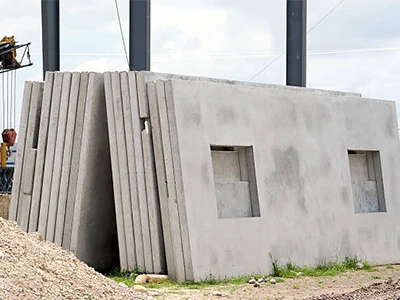
For precast wall panels, columns, beams, façade panels, and modular concrete components, improving connection accuracy helps reduce on-site rework, speed up installation, and enhance the reliability of the overall structure.
What Does Connection Accuracy Mean in Precast Concrete?
Connection accuracy in precast concrete means that embedded connection parts are placed according to the design drawings and tolerance requirements. These components may include cast-in channels, threaded inserts, coil loop inserts, wire rope loop boxes, sleeves, steel plates, lifting anchors, bolts, and other fixing components.
Accuracy is not only about the left or right position. It also includes embedment depth, alignment, spacing, angle, exposed length, and the relative relationship between each connection point.
Good connection accuracy also helps ensure safety and smooth project acceptance. It can avoid forced installation, extra drilling, welding, cutting, or repair work.

Why Connection Accuracy Matters in Precast Concrete Projects
Connection accuracy is critical because every embedded part must match the designed position precisely. If bolt holes, inserts, cast-in channels, sleeves, or connection boxes are misplaced, the precast component may not fit smoothly during on-site installation.
Accurate connections also directly affect structural performance. Properly positioned connection components help ensure load transfer, component alignment, waterproofing performance, façade fixing, and long-term structural reliability.
For exposed architectural precast panels, dimensional accuracy is especially important. Even small connection errors may lead to uneven joints, façade misalignment, or visible installation gaps.
Common Causes of Poor Connection Accuracy
Unclear Drawings or Misinterpretation
If the connection details are unclear, workers may place embedded parts, sleeves, cast-in channels, or loop boxes in the wrong position, depth, or direction.
Inaccurate Mold Layout and Marking
Before casting, mold control lines and connection points must be marked carefully. Poor layout can lead to spacing, angle, or alignment deviations.
Movement During Rebar Installation and Casting
Embedded parts may shift when rebar is placed, tied, or adjusted. Concrete flow and vibration can also cause poorly fixed components to move.
Clashes Between Rebar and Embedded Parts
If the layout is not checked in advance, connection inserts may clash with reinforcement. Forced installation often leads to position errors.
Weak Fixing Methods
Sleeves, anchors, cast-in channels, and loop boxes must be securely fixed before casting. Damaged or unsuitable fixing accessories may allow components to shift.
Improve Embedded Part Positioning Before Casting
Before concrete is poured, embedded parts must be firmly fixed in place. During rebar tying, mold closing, concrete pouring, and vibration, embedded parts such as inserts, sleeves, cast-in channels, lifting boxes, connection plates, and other connection components should remain in their designed positions.
Use reliable fixing systems
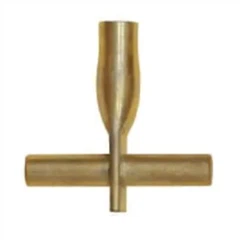
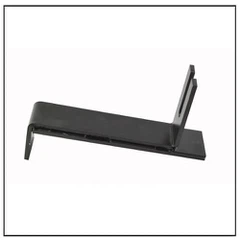
Connection components should not rely on loose placement or temporary manual adjustment. Suitable fixing systems, brackets, straps, bolts, or supports help keep embedded parts at the correct position, depth, and angle before casting.
Prevent movement during vibration
If inserts or sleeves are not fixed securely, concrete flow and vibration can easily cause them to shift. Once an embedded part moves, the connection point after demolding may no longer match the installation drawing.
Consider magnetic fixing systems
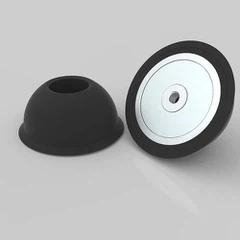
For steel molds or steel casting beds, magnetic fixing systems can help improve the positioning accuracy of embedded components. They allow fast positioning, stable fixing, and convenient adjustment before concrete pouring.
Control Movement During Pouring and Vibration
Secure All Embedded Parts Firmly Before Pouring
Before concrete casting begins, check whether cast-in channels, sleeves, anchors, lifting boxes, embedded parts, and fixing accessories are locked in place or reliably supported.
Control Vibration Around Connection Areas
Concrete vibration is necessary for compaction, but excessive vibration near sensitive embedded parts may cause them to shift or loosen.
Use Stable Fixing Accessories
Where needed, use spacers, fixing straps, magnetic holders, support brackets, or temporary positioning tools to keep connection components stable.
Inspect Before Pouring
After rebar tying is completed and before concrete pouring, recheck key connection points. Inspect their position, elevation, alignment, embedment depth, and stability.
Inspect Connection Accuracy Before and After Casting
Before Pouring, Check The Key Dimensions
Check the position, height, depth, angle, and spacing of embedded parts according to the drawings. This includes embedded inserts, cast-in channels, connection loop boxes, sleeves, embedded steel plates, and other connection components.
Record Important Inspection Data
For key embedded parts, measurement records help trace quality issues and confirm whether the component meets project requirements.
After Demolding, Inspect Exposed Parts Again
Check whether embedded inserts, channels, connection loop boxes, and sleeves remain clean, straight, and usable. Confirm that bolt connections, adjustment systems, and installation accessories can be used properly on site.
Correct Problems Before Delivery
If position deviation, blocked inserts, incorrect embedment depth, or damaged components are found, they should be corrected before shipment.
How Precast Connection Accessories Help Improve Accuracy
Precast connection accuracy depends not only on the mold or drawings, but also on the accessories used to hold each connection point in place. The right accessories help keep embedded parts stable before and during concrete pouring.
Cast-in channels provide adjustable fixing points for precast panels, façade systems, and secondary structures. They reduce the need for post-drilling and allow easier position adjustment during installation.
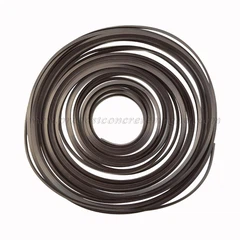
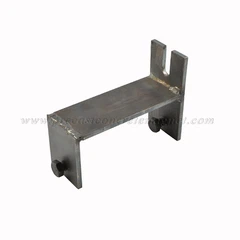
Fixing straps helps stabilize cast-in channels before casting. They keep the channel in the correct position and reduce the risk of movement caused by rebar work, concrete flow, or vibration.
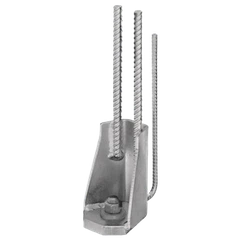
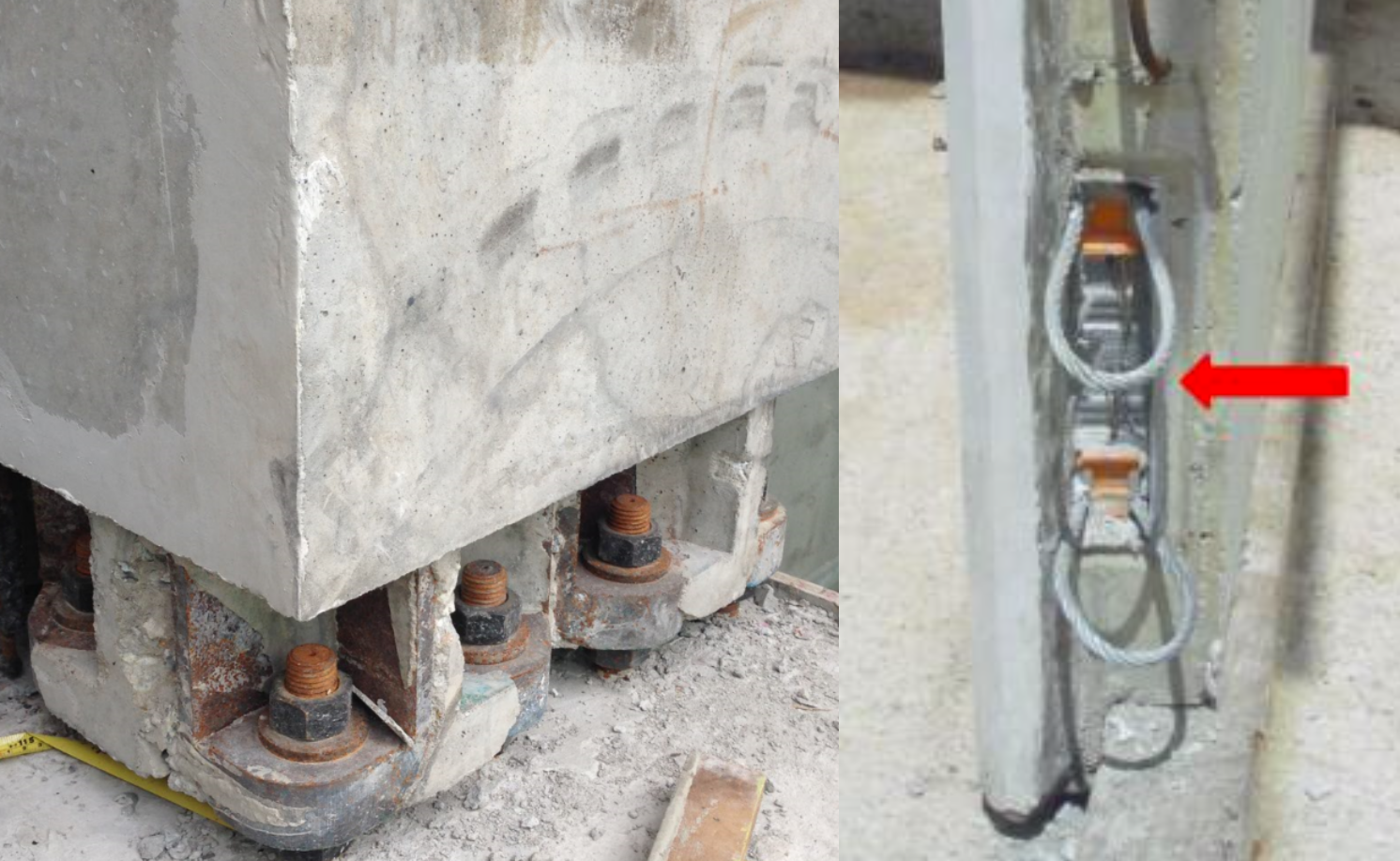
Wire rope loop boxes support efficient wall panel connections. They provide a prepared connection point that helps make wall-to-wall or wall-to-frame assembly faster and more controlled.
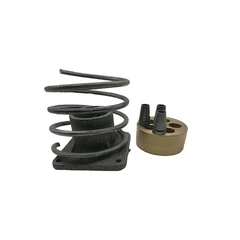
Coil loop inserts create embedded connection points inside precast components. They are useful where stable fixing, bolting, or connection support is required.
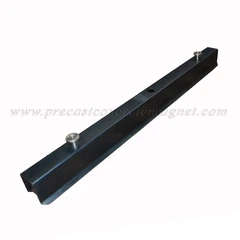
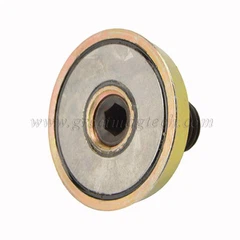
Insert magnets help hold embedded parts in the correct position on steel molds or casting tables, improving repeatability in factory production.
Conclusion
The connection accuracy of precast concrete components depends on strict control throughout the whole process, from design to installation.
For precast component manufacturers, improving connection accuracy means fewer installation problems, less repair work, faster assembly, and smoother project acceptance.
FAQ
Q: How can connection accuracy be improved in precast concrete components?
A: Connection accuracy can be improved by carefully reviewing drawings, accurately marking mold positions, firmly fixing embedded parts, checking rebar spacing, controlling the vibration process, and inspecting all connection points before concrete pouring.
Q: Why do embedded parts move during concrete pouring?
A: Embedded parts may move because of weak fixing, concrete flow, vibration, rebar interference, or improper mold positioning. Using suitable fixing straps, magnets, templates, and stable supports can help reduce movement.
Q: How do cast-in channels improve connection accuracy?
A: Cast-in channels provide adjustable fixing points inside precast components. They help reduce post-drilling work, improve installation flexibility, and make it easier to align panels, brackets, or secondary structures on site.
Q: What role do fixing straps play in precast concrete production?
A: Fixing straps help keep cast-in channels or other embedded parts in the correct position before casting. They reduce movement during rebar installation, concrete pouring, and vibration.
Q: Can positioning magnets improve embedded part positioning?
A: Yes. Positioning magnets can hold threaded inserts, sleeves, anchors, or other embedded parts in the correct position on steel molds or casting tables. This helps improve repeatability and reduce positioning errors.
Q: How do high-quality connection accessories reduce rework?
A: High-quality accessories have more stable dimensions, better tolerance control, and stronger fixing performance. They help keep connection parts accurately positioned, reduce installation errors, and lower the need for drilling, repair, or adjustment on-site.