




Introduction
Corrugated ducts provide protected channels for prestressing tendons in post-tensioned concrete structures. They help maintain the tendon profile and ensure that the grout fully encapsulates the steel strands after stressing is completed.Selecting the appropriate duct size is crucial, as it directly affects tendon installation, grouting quality, corrosion protection, friction control, and the long-term performance of the structure.Quick Answer
In post-tensioning construction, corrugated duct size should be selected based on the tendon type, number and diameter of strands, required grouting space, bending radius, anchorage compatibility, and project specifications. The duct must be large enough to allow smooth tendon installation and complete grouting, but not oversized, as this may affect concrete layout, cover thickness, or structural detailing.
Understand the Tendon Type First
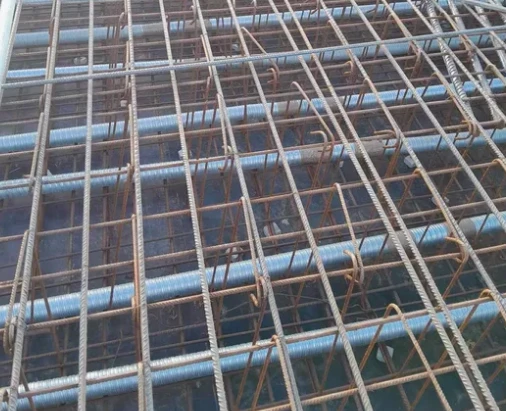
Single Strand
Single-strand systems usually require a smaller duct diameter, but the duct must still leave enough clearance to ensure smooth installation and proper grout flow.Multi-Strand Tendon
Multi-strand tendons require a larger duct because several strands need to pass through the same channel. The duct must provide enough internal space for strand movement, grout filling, and air discharge.Prestressing Bar
Prestressing bars are more rigid than steel strands, so duct size selection should consider the bar diameter, coupler size, and installation tolerance.Tendon with Coupler
If couplers are used, the duct size must be large enough to accommodate the larger coupling section without obstructing installation.Internal Bonded Tendon
For internally bonded tendons, grouting space is especially important because the grout protects the prestressing steel and improves bonding performance.External Tendon
For external tendons, duct protection, profile control, and corrosion resistance requirements may vary depending on the project design.
Check Strand Diameter and Number of Strands
When choosing corrugated duct size for post-tensioning, strand diameter and strand quantity are the first factors to consider. The duct is not selected only to "contain" the prestressing tendons. It must also provide enough internal space for installation, stressing, grouting, and long-term protection.Strand Installation
The duct should allow the strands to pass through smoothly without excessive friction.Strand Movement During Stress
During tensioning, the strands need enough space for slight movement inside the duct.Grout Flow
A suitable duct size leaves enough space for grout to flow around the strands. This helps achieve denser grout filling and improves corrosion protection.Air Release
A proper duct size also helps trapped air escape during the grouting process.Full Encapsulation of Prestressing Steel
The grout should fully surround the prestressing steel. This is essential for bonding performance, durability, and long-term structural reliability.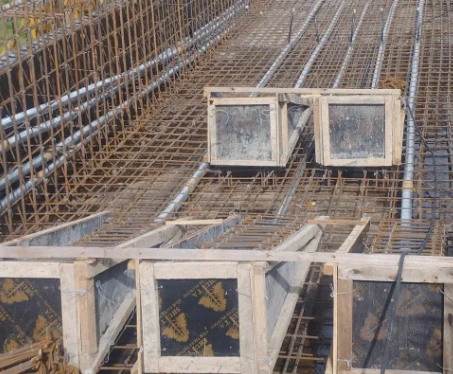
Leave Enough Space for Grouting
When choosing corrugated duct size, it is not enough to consider whether the duct can hold the prestressing tendon. Enough grouting space must also be reserved so that grout can flow smoothly and fully surround the strands. If the duct diameter is too small, incomplete grouting, trapped air, or internal voids may occur, especially around bundled strands, curved sections, and areas with restricted flow.Sufficient grouting space helps block moisture and air, reducing the risk of corrosion in prestressing steel. It also improves bonding between the tendon and the concrete. For bridges, slabs, beams, and precast components, the right duct size not only supports smoother installation but also directly affects the long-term durability of the post-tensioned structure.
Consider Bend Radius and Tendon Profile
Post-tensioning tendons are often installed along curved or changing profiles rather than in a straight line. They may pass through high points, low points, deviators, anchorage zones, or horizontal curves, so the corrugated duct must match both the tendon size and the actual tendon path. When the bend radius is tight, the duct should be flexible enough to bend smoothly without flattening, cracking, or reducing the internal space for strand movement. If the duct deforms at the bend, it may increase friction, make stressing more difficult, and affect grout flow after tensioning. For complex tendon layouts, flexible corrugated plastic ducts are often a better choice because they support easier installation, smoother tendon movement, and more reliable grouting.
Match the Duct Size with Anchorage and Couplers
Post-tensioning tendons are often installed along curved or changing profiles rather than in a straight line. They may pass through high points, low points, deviators, anchorage zones, or horizontal curves, so the corrugated duct must match both the tendon size and the actual tendon path.When the bend radius is tight, the duct should be flexible enough to bend smoothly without flattening, cracking, or reducing the internal space for strand movement. If the duct deforms at the bend, it may increase friction, make stressing more difficult, and affect grout flow after tensioning. For complex tendon layouts, flexible corrugated plastic ducts are often a better choice because they support easier installation, smoother tendon movement, and more reliable grouting.
Choose the Right Duct Material
Galvanized Metal Ducts
Galvanized metal ducts are commonly used in post-tensioning projects where the specification allows metal ducts and cost control is important. They provide good shape stability, but they may require more attention in corrosive environments or projects with strict durability requirements.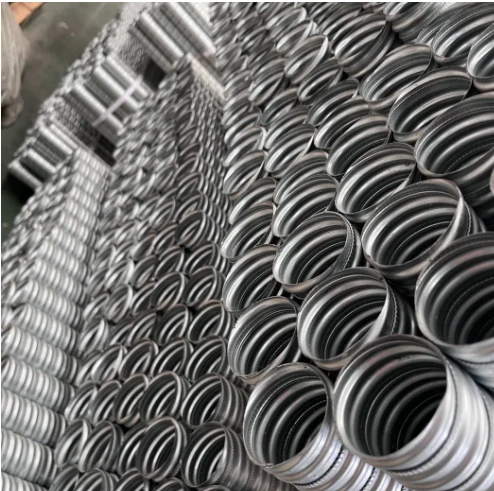
HDPE Ducts
HDPE corrugated ducts provide superior corrosion resistance and are commonly used where long-term tendon protection is a top priority. They are suitable for bridges, marine structures, and projects exposed to moisture, chloride, or aggressive environments.PP or Other Plastic Ducts
PP and other plastic ducts can provide good flexibility, lightweight handling, and easier installation in some tendon layouts. They are useful when the project requires corrosion protection and a smoother duct connection.
Avoid Choosing Duct Size Only by Outside Diameter
When selecting corrugated duct size for post-tensioning, do not rely only on the outside diameter. The outside diameter is important for concrete cover, reinforcement layout, and connection details, but it does not show the actual usable space inside the duct.Check the Internal Diameter
The internal diameter determines whether the prestressing tendons can be installed smoothly. If the internal space is too small, strand threading may become difficult, especially in long ducts or curved tendon profiles.Consider Wall Thickness
Different duct materials and designs may have different wall thicknesses. Two ducts with the same outside diameter may have different internal diameters, which directly affects the tendon space and grout flow.Confirm Effective Grouting Space
A suitable duct should provide enough space for grout to surround the prestressing tendons fully. If the duct is too tight, grout may not flow evenly, increasing the risk of voids and poor corrosion protection.Compare the Full Specification
Before choosing a duct, check the outside diameter, internal diameter, wall thickness, corrugation profile, bending radius, and connection method. Selection based on internal space and system compatibility helps improve installation performance and long-term durability.
Conclusion
Choosing the right corrugated duct size for post-tensioning is not only about fitting the tendon inside the duct. It also affects grout quality, corrosion protection, tendon installation, anchorage connection, and long-term structural performance.For reliable post-tensioning work, the duct should provide enough internal space for strands and grout, match the tendon profile and anchorage system, and meet project specifications. When the project involves complex tendon layouts or stringent durability requirements, it is advisable to confirm the duct size with engineering drawings, project standards, and an experienced corrugated duct supplier.
FAQ
Q: What materials are commonly used for corrugated ducts in post-tensioning construction?
A: Common materials include galvanized metal, HDPE (high-density polyethylene), PP (polypropylene), and other plastic materials. The final choice depends on project specifications, corrosion protection requirements, tendon layout, installation conditions, and budget.
Q: Is HDPE corrugated duct better than metal corrugated duct?
A: HDPE corrugated duct usually offers better corrosion resistance, so it is often preferred for bridges, marine projects, and structures exposed to moisture or chloride environments. Metal corrugated duct can also be used when project specifications allow it and cost control is a key consideration.
Q: Does duct material affect duct diameter selection?
A: Yes. Different materials have different wall thicknesses and internal diameters. Even if two ducts have the same outside diameter, their effective internal space may be different, which can affect tendon installation and grouting work.
Q: When should plastic corrugated ducts be used?
A: Plastic corrugated ducts are suitable for projects with higher requirements for corrosion protection, installation flexibility, and long-term durability. They are commonly used in harsh environments or structures with stricter durability standards.
Q: Are galvanized metal corrugated ducts suitable for all post-tensioning projects?
A: Not always. Galvanized metal corrugated ducts are suitable for many standard projects, but in highly corrosive environments, they may not be the best choice unless project specifications allow them and proper protection measures are applied.
Q: What factors should be considered before choosing corrugated duct material?
A: Before selecting the duct material, consider the internal diameter, wall thickness, bending performance, connection method, corrosion resistance, grouting requirements, and project approval standards.