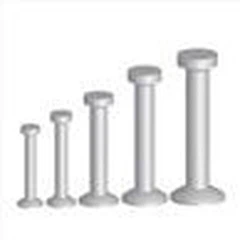


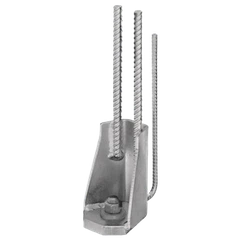
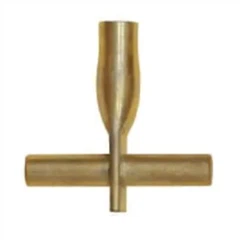

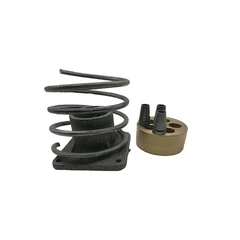



Precast concrete, renowned for its efficiency, durability, and cost-effectiveness, is experiencing a surge in popularity within the construction domain. Spearheading this revolution with an array of cutting-edge products specifically engineered to augment the precast process is industry titan Great Magtech Electric.
Types of Precast Concrete
1. Architectural Precast Concrete:
Architectural precast concrete, a versatile option that marries functionality and aesthetic appeal, fabricates visually pleasing elements including facades, cladding, and decorative panels. Its flexibility permits the incorporation of intricate design texture, culminating in finishes. It is an unrivaled choice for its adaptability to achieving various architectural objectives.
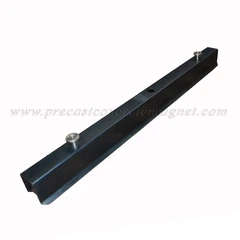
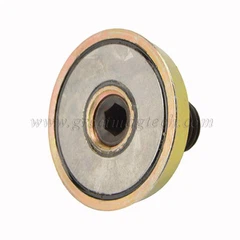
The Precast Concrete Magnet, a crucial product from Great Magtech Electric, precisely positions and secures architectural precast elements during the curing process. Its contribution to the flawless execution of intricate designs is invaluable.
2. Structural Precast Concrete:
Designers craft structural precast concrete components to bear substantial loads and offer indispensable support in construction ventures. These elements encompass beams, columns, along other crucially load-bearing parts. Incorporating structural precast concrete into the construction accelerates timelines while guaranteeing an elevated precision level during assembly procedures.
3. Insulated Precast Concrete:
To enhance thermal resistance, insulated precast concrete incorporates insulating materials: an excellent choice for energy-efficient projects. This specific type of precast concrete commonly meets rigorous energy efficiency standards in the construction process for both residential and commercial buildings.
The Formwork Magnet, a pivotal component in the creation of insulated precast concrete elements by Great Magtech Electric, guarantees precise formwork positioning. This precise positioning enhances both the structural stability and insulation properties of our final product.
4. Hollow Core Precast Concrete:
Hollow core precast concrete, with its hollow voids traversing the cross-section, diminishes overall weight, all the while preserving structural integrity. This form of precast concrete finds frequent utilization in floor construction; wall assembly and roofing systems, presenting both versatility and an economical choice.
Implementing Different Types of Precast Concrete - A Practical Guide
Beyond its various types, precast concrete demonstrates versatile implementation methods in construction projects. Products from Great Magtech Electric, including the Precast Concrete Magnet, Magnetic Sideform System, Prestressed Formwork Magnet, and Prestressed Concrete Magnet Box serve crucial functions to guarantee the success of these applications.
1. Architectural Precast Concrete Implementation:
Design Freedom:
Great Magtech Electric's Precast Concrete Magnet, when employed in the use of Architectural precast concrete, secures intricate formwork and enables the creation of visually stunning facades and decorative elements. This offers unparalleled design freedom It is a groundbreaking innovation.
Precise Positioning:
Great Magtech Electric provides magnetic solutions that enable the precise positioning of architectural precast components. This ensures the final structure meets design specifications accurately.
2. Structural Precast Concrete Assembly:
Efficient Installation:
Structural precast concrete, when utilized, notably diminishes on-site construction time. By leveraging the Magnetic Sideform System for formwork assembly acceleration, we amplify efficiency in crafting load-bearing components.
Enhanced Structural Integrity:
Incorporate the Magnetic Sideform System to guarantee your project's structural integrity. This product aids in maintaining formwork alignment and positioning, a crucial element contributing not only to the overall stability of structural precast pieces but also their longevity.
3. Insulated Precast Concrete Installation:
Energy-Efficient Construction:
Prioritize the utilization of Great Magtech Electric's Prestressed Formwork Magnet when you work with insulated precast concrete. This magnet, by facilitating precise formwork placement, guarantees that the insulation materials occupy an optimal position, thereby boosting energy efficiency to its maximum potential.
Thermal Performance:
To achieve consistent prestressing in insulated precast concrete elements, employ the Prestressed Formwork Magnet. This action enhances not only thermal performance but also contributes significantly to the structure's longevity.
5. Hollow Core Precast Concrete Application:
Versatile Use Cases:
Great Magtech Electric's Prestressed Concrete Magnet Box, a versatile tool, uniformly prestressed hollow core precast concrete components. This contributes to their lightweight yet robust nature. These versatile components are suitable for use in floors, walls, and roofing systems.

Precise Prestressing:
To achieve precise and uniform prestressing, integrate the production process with the Prestressed Concrete Magnet Box. This integration yields hollow-core precast concrete elements that not only meet structural requirements but also minimize overall weight.
Elevating Precast Concrete Construction Through Great Magtech Electric
Understanding the effective utilization of various types of precast concrete allows construction professionals to optimize these materials fully. Great Magtech Electric's product range serves as a crucial element in the implementation process.
The result? Enhanced accuracy, heightened efficiency, and fortified structural integrity. In an evolving construction industry, success hinges on strategic deployment supported by innovative solutions of precast concrete. It's no longer an option but a necessity.
Unlocking Efficiency: Advantages of Using Precast Concrete Products
Precast concrete products, when utilized in construction projects, not only offer a multitude of advantages such as enhanced efficiency and durability but also significantly contribute to the overall success of the undertaking.
Across various applications, these unique offerings play an indispensable role in bolstering such benefits. Thus, solidifying their position as preferred choices within the construction industry. Now, let us delve into some specific advantages that underscore this popularity for precast concretes within our sector.
Accelerated Construction Timelines:
Using precast concrete offers a primary advantage. It significantly reduces construction timelines. Manufactured off-site in controlled environments, precast elements enable tasks to be processed simultaneously, a strategy known as parallel processing.
As site preparation commences, the production of these components concurrently accelerates. This results in expedited project completion, an evident benefit that marks using precast concrete over other alternatives. The Magnetic Sideform System and the Prestressed Concrete Magnet Box accelerate not only the formwork assembly but also the prestressing processes. As a result, they contribute considerably to speeding up construction schedules.
Consistent Quality and Precision:
Precast concrete manufacturing, under controlled conditions, achieves consistent quality and precision in every element. The process eliminates variability through strict adherence to design specifications, utilization of high-performance concrete mixes, and automation of production processes.
In this context, Great Magtech Electric's use of its Precast Concrete Magnet is essential. It secures formwork during the curing process. Thereby, ensuring precise positioning for architectural precast elements and helping maintain stringent quality standards throughout.
Cost-Efficiency:
Although precast concrete may appear to necessitate a higher initial investment, its substantial long-term cost savings more than compensate. Reduced labor expenses, minimized on-site construction time and lower maintenance outlays all contribute to overall cost efficiency. The array of products from Great Magtech Electric optimizes manufacturing processes, thereby magnifying the economic advantages inherent in using precast concrete for construction ventures.
Enhanced Structural Performance:
Magnetic Sideform Systems and Prestressed Concrete Magnet Box are innovative technologies, particularly effective in projects necessitating robust and durable constructions. This offers a crucial advantage.
Specifically, they ensure the precise alignment of structural elements. This rigorous uniformity leads to enhanced load-bearing capacity and overall structural integrity. Moreover, precast concrete components (incorporating prestressing technology especially), exemplify superior performance on the structural front. Their importance cannot be overstated.

Environmental Sustainability:
Sustainable construction practices align with precast concrete, which reduces environmental impact through various means.
The off-site manufacturing process minimizes on-site disturbance, reusing formwork and molds further curbs material waste. The durability and longevity of structures made from precast concrete extend their service life by diminishing the need for frequent replacements, thus reducing associated resource consumption.
Versatility in Design:
Architects and designers find unparalleled versatility in architectural precast concrete, which allows for the creation of visually stunning structures. They can incorporate intricate designs, textures, and finishes to realize unique constructions that are aesthetically pleasing.
Improved Safety:
Off-site manufacturing of precast elements: this innovative approach inherently mitigates on-site risks a significant departure from traditional construction methods. The advantages are clear. Workers face fewer hazards and operate within a controlled, safer production environment. As a result, project safety amplifies markedly in alignment with rigorous industry standards and regulations.
Precast concrete products, designed for various types of precast concrete applications, amplify the manifold advantages inherent in using these materials including but not limited to accelerated construction timelines, consistent quality, cost-efficiency, and environmental sustainability.
This enhancement propels precast construction into a burgeoning preference among industry professionals. Undeniably, as the landscape of construction evolves, the benefits rooted within precast concrete will crucially influence future paradigms for efficient yet sustainable building practices.
Advancements in Precast Concrete Technology
The evolution of the construction industry propels associated technology, particularly precast concrete advancements. These extend beyond simple variations in types. The focus now lies on boosting overall efficiency, enhancing sustainability, and heightening cost-effectiveness for all construction projects. This demonstrates an ongoing commitment to progress.
1. Digital Modeling and Design:
The integration of digital modeling and design tools represents a significant advancement. Leveraging Building Information Modeling (BIM) software, construction professionals can now create detailed 3D models of precast concrete elements.

This technology fosters superior visualization, coordination, and collaboration among all project stakeholders. Identifying and resolving potential issues in the virtual environment before construction significantly reduces on-site errors and rework. This is an ability crucial to efficient operation.
2. High-Performance Concrete Mixes:
Notably, in recent years, a shift has occurred towards developing high-performance concrete mixes. These innovative formulas infuse precast concrete with advanced additives and admixtures, enhancing its strength, durability, and workability.
The utilization of such superior blends yields manifold benefits for construction projects. It extends service life significantly and diminishes maintenance costs effectively, ultimately improving overall performance.
3. Automation in Production:
The revolution in the production process of precast concrete elements is a result of automation. Automated batching plants, robotic formwork assembly, and high-tech curing systems streamline manufacturing to ensure precision and consistency.
This accelerates not only the production timeline but also minimizes human error, a factor that leads to superior quality in precast elements.
4. Self-Healing Concrete Technology:
Active researchers explore self-healing concrete technology. This is a groundbreaking development with the potential to enhance precast structures' longevity. This innovative technology integrates microcapsules or bacteria within the concrete mix.
When cracks emerge, these capsules release healing agents, effectively sealing them and thwarting any further deterioration. The potential of self-healing concrete is immense. It can dramatically slash maintenance costs and extend the lifespan of precast structures.
5. Carbon-Fiber Reinforcement:
Addressing environmental concerns and enhancing sustainability. This is the driving force behind the escalating adoption of carbon-fiber reinforcement in precast concrete construction.
Compared to conventional reinforcement methods, carbon-fiber-reinforced concrete presents a superior strength-to-weight ratio. Consequently, reducing both overall element weight, an aspect critical for ease of transportation, and minimizing the carbon footprint associated with installation and transportation processes.
6. Prefab and Modular Construction:
Precast and modular construction methods are actively reshaping the industry through their integration of precast concrete. Manufacturers can produce off-site, transportable elements like walls, columns, and beams in rapid assembly on-site.
By adopting this approach, we significantly shrink construction timelines and minimize material waste even more effectively. This results in optimal overall project efficiency. Isn't this a clear win for productivity?
7. Smart Sensors and Monitoring:
Smart sensors, when incorporated into precast concrete structures, facilitate real-time monitoring of structural health. These devices detect fluctuations in temperature and moisture levels along with changes to the structure's integrity. Offering early warnings for potential issues, these intelligent sensors support proactive maintenance strategies for precast concrete constructions. This ensures their long-term durability.
The Future of Precast Concrete
The promising future of precast concrete hinges on technology's relentless advancement. The efficiency and effectiveness of precast construction will escalate further through the integration of digital tools, innovative materials, and sustainable practices.
To fully exploit precast concrete's potential in meeting the industry's evolving needs, both construction professionals and manufacturers must pace with these advancements diligently. Undoubtedly, the synergy of traditional craftsmanship with cutting-edge technology will shape a new era in precast concrete construction. This offers solutions that are not only resilient but also sustainable.
Conclusion
The industry continues to prioritize the use of precast concrete as demand for efficient and sustainable construction practices grows. Great Magtech Electric, by consistently offering superior products for precast concrete applications, emerges as a field leader. Professionals who understand the various types of precast concrete and their respective roles in construction can strategically decide to achieve optimal results in their projects.