






Lifting anchors are specially engineered steel components embedded in precast concrete to enable safe and efficient handling, lifting, and positioning of heavy elements. Designed to transfer high loads directly into the concrete, they ensure stability during transportation, demolding, and installation.
Incorrect installation of lifting anchors can be disastrous, causing cracked panels, site accidents, or even lifting failures. Yet, with the right methods, you can ensure structural integrity, worker safety, and smooth precast handling. In this guide, we'll break down the safe and correct way to install lifting anchors in precast concrete panels. Whether you're new to precast or managing hundreds of lifts a week, this is your go-to safety checklist!

Types of Anchors and Their Applications
Lifting anchors come in several designs, each engineered to meet specific load requirements and precast product shapes. Selecting the right anchor ensures safe handling, smoother installation, and consistent performance across different construction environments.
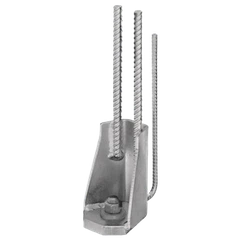
1. Foot Anchors
Designed with a widened base to achieve strong load transfer into the concrete.
Commonly used in wall panels, columns, beams, and heavy structural units.
Ideal for vertical lifting and edge-lifting conditions.
2. Pipe or Spread Anchors
Developed for curved or cylindrical precast components such as manholes, pipes, tanks, and utility chambers.
Their shape helps maintain stability during tilt-up and rotation.
3. Eye Anchors / Ring Anchors
Provide a reliable connection point for lifting clutches in a range of directions.
Suited for medium-to-heavy precast units that require multi-angle lifting.
4. Rebar Loop Anchors
A cost-efficient option for lighter concrete products.
Frequently used in small utility products, blocks, and non-structural elements.
5. Coil Inserts & Ferrule Inserts
Versatile threaded systems compatible with lifting loops, bolts, and lifting eyes.
Suitable for modular precast products, precast stairs, and architectural elements.
Step-by-Step Installation Guide
A proper installation process ensures that lifting anchors deliver their full load capacity and maintain stability during handling. The steps below outline a reliable method used across precast factories.
1. Prepare the Mold
Clean the mold surface and confirm the anchor layout according to the technical drawing. Accurate positioning prevents stress concentrations during lifting.
2. Position the Anchor
Place the anchor at the designated location, ensuring the load direction aligns with the intended lifting angle. The anchor must sit firmly against the mold surface.
3. Fix the Recess Former
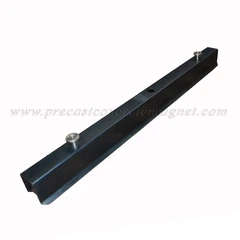
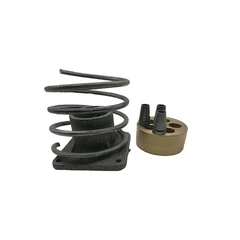
Attach the rubber or steel recess former to create a clean lifting pocket. This pocket allows the lifting clutch to engage smoothly after demolding.
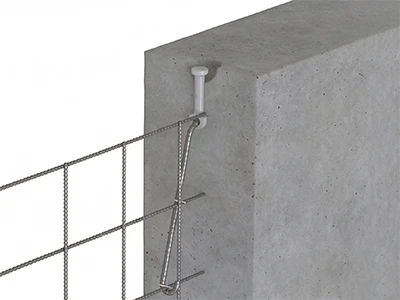
4. Install Reinforcement
Tie the anchor securely to the surrounding rebar. Adequate reinforcement is essential for load distribution, especially in high-stress zones. rebar. Adequate reinforcement is essential for load dist
5. Secure Final Alignment
Double-check verticality and embedment depth. Even minor deviations can affect lifting performance.
6. Pour and Vibrate the Concrete
Pour concrete carefully to avoid shifting the anchor. Vibrate the mix evenly to eliminate air pockets around the anchor body.
7. Demold and Inspect
After curing, remove the recess former and inspect the pocket, anchor marking, and alignment. Test the lifting clutch fit before moving the unit.
Tools & Materials Required (Checklist)
A safe and precise installation depends on having the right tools and materials prepared before the casting process begins. The following checklist covers the essentials commonly used in precast factories:
Lifting Anchors
Load-rated anchors are selected according to the weight, geometry, and lifting method of the precast unit.
Recess Former / Rubber Former
Used to create a clean, uniform pocket for the lifting clutch. Rubber formers prevent concrete adhesion and ensure easy removal.
Anchoring Rebar Reinforcement
Reinforcement bars tied to the anchor to transfer lifting forces into the concrete and prevent pull-out failure.
Installation Jig or Positioning Device
Helps maintain correct anchor alignment, embedment depth, and spacing during setup.
Measurement Tools
Including tape measures, levels, and angle markers to verify positioning and lifting direction.
Safety Gloves & PPE
Essential for worker protection during mold preparation, reinforcement installation, and concrete pouring.
Safety Requirements & Load Standards
Proper lifting anchor installation must follow established safety guidelines and load standards to prevent structural damage and ensure safe handling during transport and erection. The points below highlight the key requirements used across the precast industry.
1. Compliance with EN 1992-1-1 (Eurocode 2)
Lifting anchors and their reinforcement must be designed according to Eurocode principles for concrete structures. This includes evaluating concrete strength, load direction, anchorage depth, and reinforcement detailing.
2. Lifting Angle ≤ 30°
Industry practice limits the lifting angle between the anchor and the lifting clutch to 30 degrees or less. Larger angles increase the tension load on the anchor and may lead to concrete cracking or premature failure.
3. Minimum Concrete Strength Before Lifting
Concrete must reach the specified strength-commonly 15–20 MPa for initial handling or as recommended by the anchor manufacturer. Lifting before the concrete reaches adequate strength can compromise the bond and reduce load capacity.
4. Use of Approved Lifting Clutches Only
Each anchor type requires a matching, certified lifting clutch to ensure proper engagement. Mixing incompatible systems can lead to slippage or overload during hoisting.
Following these safety requirements provides predictable lifting performance, reduces job-site risks, and helps maintain the long-term integrity of precast elements.
Quality Inspection Checklist
1. Check Vertical Alignment
Confirm that the anchor is installed perpendicular to the concrete surface. Even minor deviations can create uneven loading and reduce lifting efficiency.
2. Check Recess Depth
Inspect the recess pocket to ensure it is clean, uniform, and deep enough for the lifting clutch to engage fully. Irregular pockets may cause improper seating of the clutch.
3. Check Anchor Marking & Load Class
Verify the anchor's identification marks and load rating. This ensures that the correct anchor has been installed according to the lifting plan and that its capacity matches the weight of the precast unit.
4. Inspect Concrete Strength
Measure concrete compressive strength to confirm it meets the required lifting threshold. Lifting too early can compromise both the anchor bond and the structural integrity of the element.
5. Test-Fit the Lifting Clutch
Attach the designated lifting clutch to check that it locks securely and rotates freely within the recess. A proper fit ensures safe engagement during hoisting.
FAQ
1. How deep should a lifting anchor be embedded?
The required embedment depth depends on the anchor type and load class, but most anchors must be fully embedded so the foot or load-transfer section is surrounded by adequate concrete cover. Manufacturers typically specify the minimum depth, and it should always align with the reinforcement layout and lifting angle.
2. What is the minimum concrete strength before lifting?
Precast elements should only be lifted once the concrete reaches the specified strength-commonly 15–20 MPa for initial handling or the value recommended in the anchor's technical data. Lifting earlier may reduce the anchor's load capacity.
3. Can lifting anchors be reused?
The anchors embedded in concrete are single-use components. Only the lifting clutches and accessories are reusable, provided they show no signs of wear or damage and match the anchor type and load rating.
4. Do I need reinforcement bars for lifting anchors?
Yes. Reinforcement bars are essential to transfer forces from the anchor into the concrete and prevent pull-out. Each anchor type has a specific reinforcement pattern that must be followed.
5. How to choose the right anchor load class?
Select the load class based on the element's weight, lifting direction, and safety factor requirements. Always refer to technical data sheets and ensure that the lifting clutch matches the chosen anchor system.