





When you choose a lifting socket for a precast concrete element, matching the thread size and rated load is only the starting point. The tail design also affects how the insert fits within your reinforcement layout and transfers lifting forces into the concrete. Wavy tail and straight bar lifting sockets serve similar purposes, but their geometry, anchorage requirements, and installation considerations can differ. So, which option suits your panels? This guide compares both designs and explains what you should check before selecting a socket for your specific precast production needs.
What Are Wavy Tail and Straight Bar Lifting Sockets?
Both designs connect a threaded socket to embedded reinforcement, but their tail shapes affect positioning and detailing within a precast element.
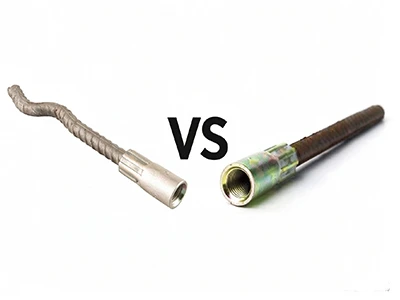
Wavy Tail Lifting Sockets
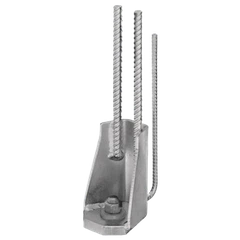
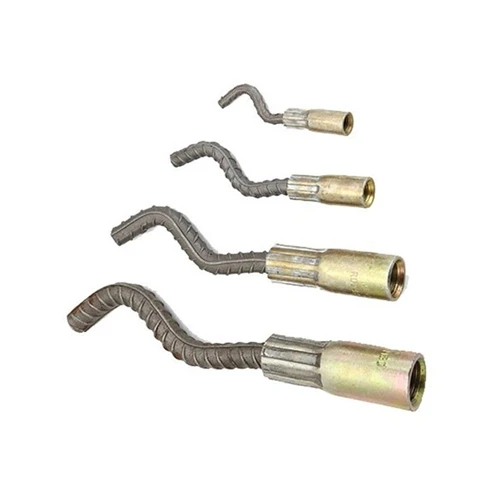
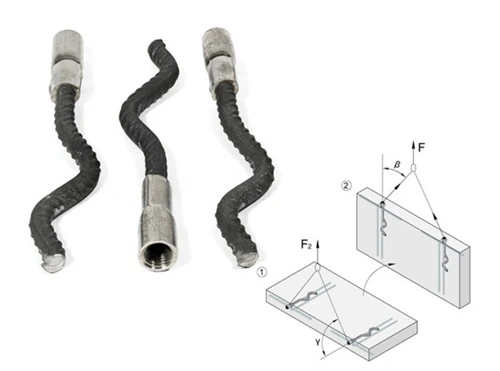
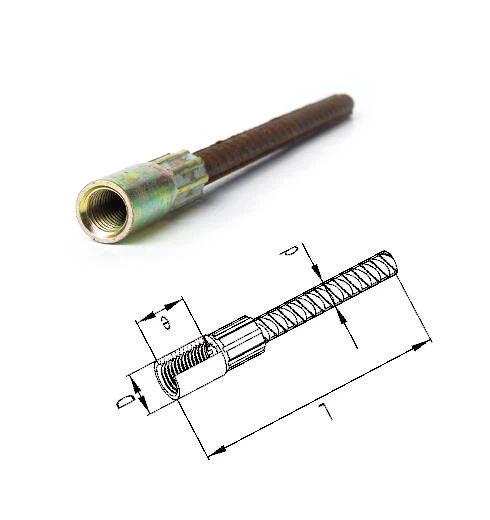
A wavy tail lifting socket has a threaded socket joined to a curved reinforcing bar. Once cast into concrete, the shaped tail provides an anchorage path for transferring lifting forces into the surrounding concrete. Short and long versions are available, so check the model's dimensions and approved applications rather than assuming they are interchangeable.
Straight Bar Lifting Sockets
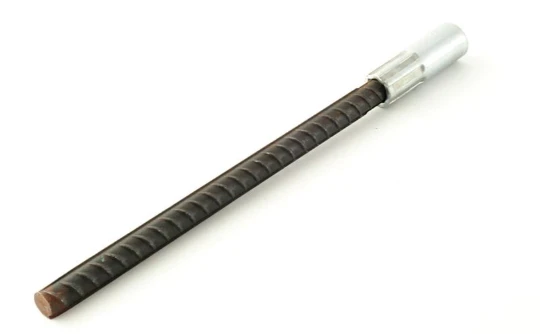
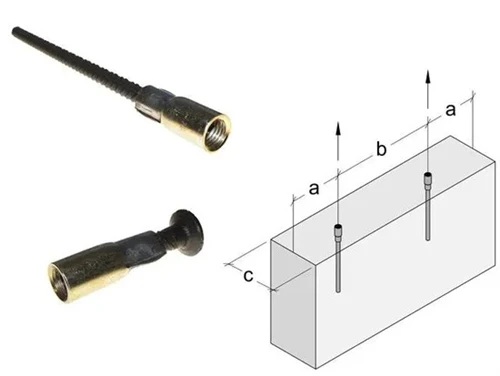
A straight bar lifting socket connects a threaded socket to a straight reinforcing bar. Its profile can simplify positioning alongside a reinforcement cage, provided sufficient embedment, concrete cover and edge distance are available. As with any cast-in lifting insert, performance depends on the complete system, including socket size, bar details, concrete strength, lifting direction and installation. Always follow the manufacturer's technical data for your project.
Key Differences Between Wavy Tail and Straight Bar Lifting Sockets
Although both designs transfer lifting forces into concrete, their tail geometry, anchorage requirements, and installation conditions create important differences.
|
Comparison Factor |
Wavy Tail Lifting Sockets |
Straight Bar Lifting Sockets |
|
Tail Design |
Features a curved or waved reinforcing bar connected to the threaded socket. |
Uses a straight reinforcing bar extending from the threaded socket. |
|
Anchorage Structure |
The curved geometry provides an anchorage configuration within the concrete. |
The straight bar provides an anchorage path through its embedded length. |
|
Anchorage Length |
Available in short and long configurations, depending on the product design. |
Available in different bar lengths to suit specific embedment requirements. |
|
Load Transfer |
Transfers lifting forces through the socket and embedded reinforcement into the surrounding concrete. |
Uses the same basic load-transfer path through the socket and embedded bar. |
|
Installation Space |
Requires sufficient clearance for the curved tail and surrounding reinforcement. |
Requires sufficient space along the straight bar and adequate reinforcement clearance. |
|
Reinforcement Layout |
Check for interference between the curved tail and existing reinforcement. |
Check bar alignment, spacing, concrete cover, and edge distance. |
|
Typical Applications |
May be used in precast wall panels and other concrete elements, depending on the design. |
May be used in suitable precast panels and other elements, subject to embedment and design requirements. |
How Does Tail Design Affect Lifting Performance?
Tail design influences how a lifting socket is embedded and positioned in concrete, but its actual performance depends on several factors.
Anchorage Length and Pull-Out Resistance
The embedded bar helps transfer lifting forces into the surrounding concrete. When selecting your socket, check the required anchorage length, concrete cover, and reinforcement details. Insufficient embedment may increase the risk of concrete failure or pull-out.
Axial and Inclined Lifting Loads
Lifting conditions also affect socket performance. Axial loads act along the anchor's intended loading direction, while inclined lifting introduces additional forces that may affect the anchorage and surrounding concrete. Check the manufacturer's approved lifting angles and load ratings before choosing your socket.
Concrete Strength During Demolding
Concrete strength at demolding is critical because it may be lower than its final design strength. Before lifting your precast elements, verify that the concrete has reached the required strength specified by the lifting system manufacturer and project design.
Which Lifting Socket Is Better for Thin Precast Panels?
Thin precast panels leave limited room for anchors. Compare tail geometry, embedment space, reinforcement layout, and lifting conditions before choosing.
Wavy Tail Sockets for Thin Precast Panels
Long wavy tail sockets may suit thin panels because their reinforcement provides an anchorage arrangement within a restricted section. However, you need room for the tail and must meet requirements for embedment, concrete cover, and reinforcement.
Straight Bar Sockets for Thin Precast Panels
A straight bar socket may be easier to position in reinforcement cages, but its bar needs embedment length and clearance. Check that it fits the panel without compromising concrete cover or edge distance.
Which Option Should You Choose?
Neither design is better in every situation. Compare panel dimensions, concrete strength at lifting, load direction, and reinforcement details. Verify the model's rated capacity and installation requirements in the manufacturer's data. If space is insufficient, consider an approved system.
How to Choose the Right Lifting Socket for Your Precast Elements
Before selecting a lifting socket, check your element dimensions, lifting conditions, and the manufacturer's approved specifications.
Check Panel Thickness and Embedment Space
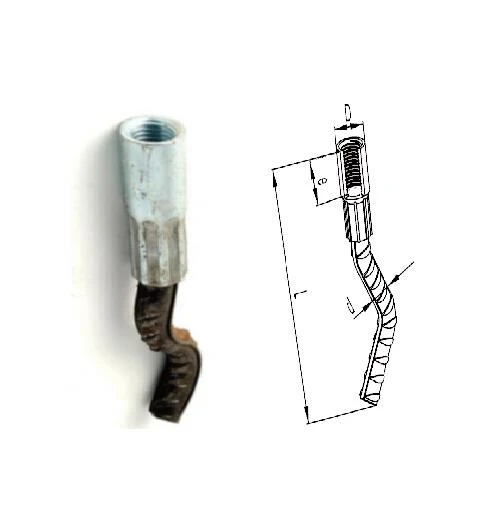
Measure your panel thickness and confirm that the socket's overall and anchorage lengths fit within the section. Check concrete cover, edge distance, and clearance from nearby reinforcement to avoid clashes or insufficient embedment. Also allow for installation tolerances and confirm the socket can be positioned securely without interfering with the reinforcement cage before concrete is poured on site.
Determine the Required Lifting Load
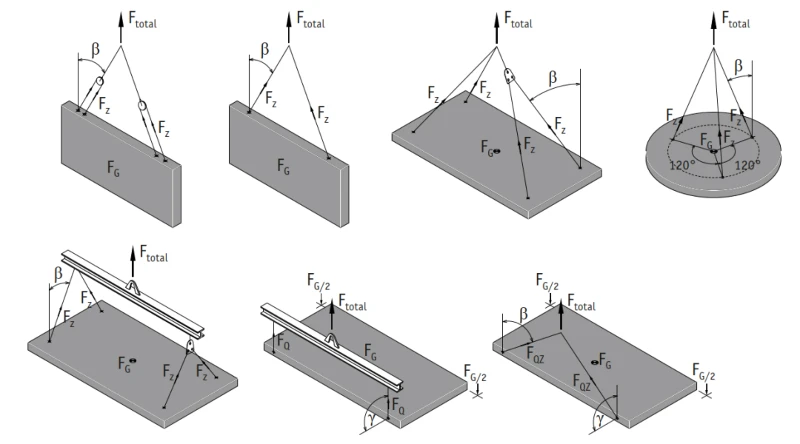
Calculate the precast element's weight and identify the number and position of lifting points. Account for load distribution, lifting angles, and applicable dynamic factors. Do not assume the load is shared equally between anchors; use the approved lifting design.
Check Thread Size and Lifting Accessory Compatibility
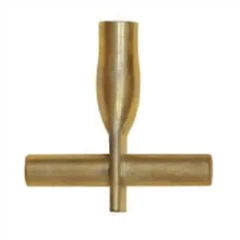
Confirm whether the socket uses an Rd or metric thread and match it with the specified lifting loop or eye.
Check the manufacturer's compatibility requirements rather than relying on thread appearance alone.
Review Concrete Strength and Reinforcement Requirements
Verify the minimum concrete strength required at demolding. Review the reinforcement mesh and any supplementary bars specified for the lifting arrangement, then follow the product's installation instructions.
Compare Product Specifications
Compare socket length, bar diameter, material, and corrosion protection. Review the rated working load, dimensions, installation details, and technical documentation for the exact model you plan to use.
Common Installation and Selection Mistakes
Even a properly rated lifting socket can become unsafe if you overlook installation details or use it under unsuitable lifting conditions.
Ignoring Anchorage and Edge Distance
Insufficient embedment or edge distance can increase the risk of concrete cracking or anchor failure. Before casting, check the manufacturer's minimum dimensions and ensure the socket fits your reinforcement layout.
Selecting Sockets Only by Thread Size
Matching the thread size doesn't guarantee adequate lifting capacity. You also need to consider the element's weight, concrete strength, anchorage length, and lifting direction when selecting a socket.
Using Incompatible Lifting Accessories
Not all lifting loops and eyes are interchangeable. Confirm that your lifting accessories are approved for the selected socket and meet the required load rating.
Lifting Before Concrete Reaches the Required Strength
Concrete may not have sufficient strength during early demolding. Before lifting your precast elements, verify the actual concrete strength against the manufacturer's requirements. Never assume the specified curing time alone guarantees safe lifting.
Conclusion
Wavy tail and straight bar lifting sockets both offer practical solutions for lifting precast concrete elements, but their different anchorage designs suit different installation conditions. Neither option is automatically better for every project.
When choosing between them, consider your panel thickness, reinforcement layout, concrete strength, and lifting loads. Always check the manufacturer's technical specifications to ensure safe and reliable performance.
If you're unsure which lifting socket suits your application, contact our team with your precast element dimensions and lifting requirements. We can help you compare suitable options for your project.
FAQ
Q: Are Wavy Tail Lifting Sockets Stronger Than Straight Bar Sockets?
A: Not necessarily. Load capacity depends on the anchor design, embedment length, concrete strength, and lifting conditions. You should compare the manufacturer's rated capacities rather than relying on tail shape alone.
Q: Are Straight Bar Lifting Sockets Suitable for Thin Precast Panels?
A: Yes. Straight bar lifting sockets can be used in thin precast panels when sufficient anchorage length, concrete cover, and edge distance are available. Always check the manufacturer's specifications.
Q: What Is the Difference Between Short and Long Wavy Tail Anchors?
A: The main difference is anchorage length. Short wavy tail anchors are often used in suitable thicker elements, while long versions can accommodate certain thin precast panels. Selection depends on the approved design.
Q: Can Wavy Tail Lifting Sockets Be Used for Inclined Lifting?
A: Yes, if the specific socket and lifting accessory are approved for inclined loads. Check the permitted lifting angle, load capacity, and any additional reinforcement requirements.