


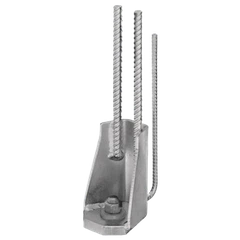
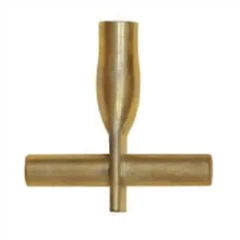
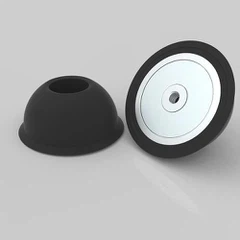
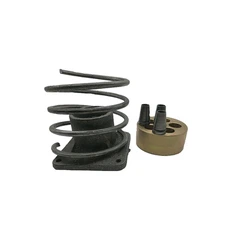



When connecting precast concrete elements, you need a system that meets your structural requirements and fits your installation process. Wire loop boxes and grout sleeves are two common options, but they serve different purposes.
A wire loop box connects precast elements through reinforced grouted joints, while a grout sleeve joins reinforcing bars to provide structural continuity.
Choosing between them depends on the connection type, load requirements, and site conditions. Understanding the key differences between wire loop boxes and grout sleeves helps you select a suitable connection system for your precast project.
What Is a Wire Loop Box?
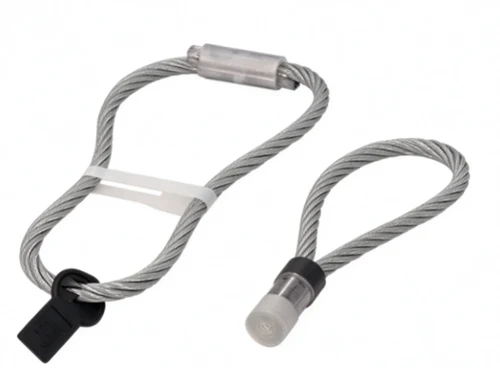
A wire loop box is a connection component used to join precast concrete elements, especially wall panels. It consists of a steel box, a flexible wire rope loop, and a protective cover. The box is embedded in the concrete during production, leaving the loop ready for connection on-site.

How Does a Wire Loop Box Work?
When you install precast wall panels, the wire loops from adjacent elements extend into the joint. A vertical reinforcing bar passes through the overlapping loops, and the joint is filled with suitable grout.
Once the grout reaches its required strength, the loops, reinforcement, and grout work together to transfer loads between connected elements. The connection's capacity depends on the joint design, reinforcement, and specified materials.

What Is a Grout Sleeve?
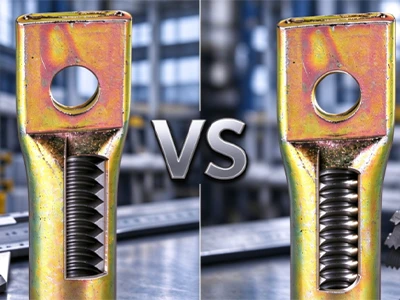
A grout sleeve is a metal connector used to join reinforcing bars in precast concrete structures. It allows you to connect two sections of reinforcement without relying on overlapping bars. The sleeve is filled with specialized grout to create a strong connection between the bars.
How Does a Grout Sleeve Work?
During installation, you insert one reinforcing bar into the sleeve and connect the other bar according to the sleeve design. Grout is then injected or poured into the sleeve to fill the internal space. After curing, the grout transfers forces between the reinforcing bars through the sleeve.
Grout sleeves are commonly used in precast columns, walls, and other structural elements where you need continuity between reinforcement sections.

Wire Loop Box vs Grout Sleeve: Key Differences
Although both systems use grout in precast concrete connections, they differ in their connection components, load transfer methods, applications, and installation requirements. The table below highlights their key differences.
|
Comparison |
Wire Loop Box |
Grout Sleeve |
|
Main Function |
Connects precast elements through a reinforced grouted joint |
Splices reinforcing bars |
|
Connection Method |
Overlapping wire rope loops, lock bar, grout |
Rebar inserted into a grouted mechanical sleeve |
|
Typical Applications |
Wall-to-wall, wall-to-column joints |
Precast wall, column, and other structural rebar splices |
|
Load Transfer |
Through the designed grouted loop joint |
Through the designed rebar splice |
|
Installation Requirements |
Loop alignment, joint reinforcement, joint grouting |
Rebar insertion, embedment, sleeve grouting |
|
Main Selection Basis |
Joint forces, geometry, reinforcement, tested system |
Rebar size, splice forces, performance requirements |
How Do They Transfer Loads in Precast Concrete Connections?
Although both systems use grout, they transfer loads through different connection mechanisms. Understanding these differences helps you determine which system meets your project's structural requirements.
Load Transfer Through Wire Loop Connections
A wire loop box connects precast concrete elements through overlapping steel wire rope loops. During assembly, you position a reinforcing bar through the overlapping loops and fill the joint with suitable grout. Once the grout hardens, the loops, reinforcing bar, and surrounding grout work together to transfer forces across the joint. Depending on the connection design, the system can resist shear and tensile forces. Its performance depends on loop geometry, reinforcement arrangement, grout properties, and joint dimensions.

Load Transfer Through Grouted Sleeve Connections
A grouted sleeve transfers forces between reinforcing bars through a steel sleeve filled with specialized grout. You insert the bars into the sleeve according to the specified embedment requirements. After the grout hardens, the bond between the bars, grout, and sleeve allows forces to pass from one bar to the other. The connection is commonly used where you need reinforcement continuity between precast elements. Its performance depends on bar size, embedment length, sleeve design, and grout quality.
Where Should You Use Each Connection System?
The right connection system depends on the type of precast elements you need to join, the structural requirements, and the available installation space.
Applications of Wire Loop Boxes
Wire loop boxes are commonly used for connections between precast wall panels, including wall-to-wall and wall-to-column joints. They are suitable for designed grouted joints where overlapping wire loops and reinforcement transfer forces between concrete elements.

Applications of Grout Sleeves
Grout sleeves are often used in precast columns, walls, and other structural elements where you need to connect reinforcing bars. They are particularly useful when your design requires reinforcement continuity between separately cast concrete components.

Can Both Systems Be Used in the Same Project?
Yes. You can use both systems in the same precast project when different connection points have different structural requirements. For example, your wall panel joints may use wire loop boxes, while column connections use grout sleeves. Your structural engineer should confirm the connection details and specifications for each location.
How to Choose Between a Wire Loop Box and a Grout Sleeve
Before selecting a connection system, consider the following factors to make sure it matches your precast project's structural and installation requirements.
1. Identify the Connection Location
First, determine which elements you need to connect. Wire loop boxes are commonly used for precast wall joints, while grout sleeves are suitable for connections that require reinforcing bar continuity.
2. Review the Load Requirements
Check the forces the connection must resist, including shear, tension, and compression. Compare these requirements with the tested performance data of each system.
3. Check Joint Geometry and Reinforcement Layout
Review the joint width, concrete thickness, bar spacing, and available installation space. Make sure the selected connector fits your drawings without interfering with other reinforcement.
4. Consider Factory and Site Installation
Consider how each system fits your production process and on-site assembly. Check the positioning, reinforcement arrangement, grouting method, and inspection requirements before making your choice.
5. Verify Technical Documentation
Before ordering, request product drawings, material specifications, test reports, and installation instructions. Check that the documents match your project requirements and the exact product model you plan to use.
Conclusion
Wire loop boxes and grout sleeves serve different purposes in precast concrete connections. A wire loop box connects precast elements through reinforced grouted joints, while a grout sleeve joins reinforcing bars to provide continuity. Your choice should depend on the connection design, load requirements, and installation conditions. If your project requires wire loop boxes for precast wall connections, explore our product range at GME. Contact our team with your drawings and specifications to discuss suitable models and get a quotation for your project.
FAQ
Q: Can a Wire Loop Box Replace a Grout Sleeve?
A: Not directly. A wire loop box connects precast concrete elements through a grouted joint, while a grout sleeve connects reinforcing bars. Replacing one with the other requires structural design review and approval.
Q: Are Wire Loop Boxes Suitable for Load-Bearing Precast Walls?
A: Yes, certain wire loop box systems are designed for load-bearing connections. However, their suitability depends on the required loads, reinforcement layout, joint design, and verified product performance.
Q: Do Grout Sleeves Require Special Grout?
A: Yes. You should use grout that meets the sleeve manufacturer's specifications. Check the required strength, flowability, and curing properties to ensure proper filling and connection performance.
Q: Which Connection System Is Easier to Inspect?
A: Both systems require proper inspection. With wire loop boxes, you can check loop positioning, reinforcement, and joint grouting. With grout sleeves, you need to verify bar insertion depth and grout filling. The inspection process depends on the system design and project requirements.