





Enhancing Efficiency and Safety Precast concrete structures have long been revered for their versatility, resilience, and endurance in construction applications ranging from residential projects to commercial ventures or infrastructure expansion. When considering all components involved with precast construction - such as lifting inserts - which ensure efficiency while safeguarding worker safety through this complex process, lifting inserts are indispensable tools that help increase both worker efficiency and worker protection during this often-lengthy process.
This guide dives deep into the realm of lifting inserts used for precast concrete construction projects, discussing their purpose, types, installation methods, and overall roles within precast construction. By the time this article has finished, you will have gained an in-depth knowledge of their contributions towards successful precast projects.

Understanding Precast Concrete
Before delving deeper into lifting inserts, it's essential to gain an understanding of precast concrete's fundamental elements and why its popularity makes it such an appealing construction material choice today.
Precast Concrete: A Brief Overview
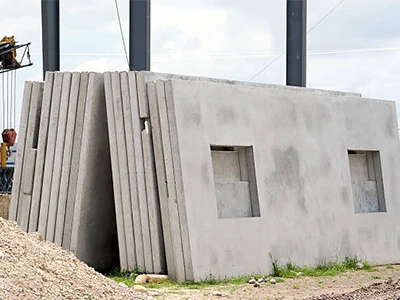
Precast concrete refers to elements fabricated through prefabrication that are cast away from their construction site in controlled environments before being transported for assembly at their final destinations. Precasting includes walls, beams, and columns along with steps made out of precast. Concrete curing takes place before transport for assembly purposes - providing multiple advantages like improved quality control measures as well as time savings and reduced on-site labor requirements.
Benefits of Precast Concrete
1. Quality Control: Precast concrete elements are manufactured under scrutiny to ensure quality production with reduced defects and above-average end products.
2. Time Efficiency: Precast elements can be produced offsite to minimize construction time onsite - something particularly helpful when projects have tight deadlines.
3. Cost-Effectiveness: Precast elements may have higher initial costs; however, their overall savings usually outweigh these initial expenses due to reduced labor requirements and quicker construction timelines.
4. Durability: Precast concrete has long-term durability that makes it the go-to material choice for multiple applications, whether indoors or out. Its resilience also means it withstands adverse environments with ease.

The Role of Lifting Inserts
What Are Lifting Inserts?
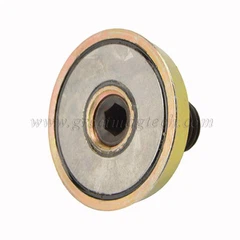
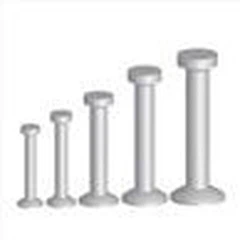
Lifting inserts are integral parts of precast concrete construction, used to ensure safe lifting and handling. Common materials for lifting inserts include stainless steel or cast iron which can withstand both weight and strain when lifting heavy objects.
The Significance of Lifting Inserts
Lifting inserts serve multiple essential purposes in precast concrete construction:
1. Efficient Handling: Precast concrete elements can be awkward to handle and transport effectively, yet with lifting inserts providing ease and precision they're much simpler to manage - drastically decreasing risk and damage potential.
2. Accurate Placement: Lifting inserts provide accurate placement of precast concrete elements during assembly, providing precise alignment and structural integrity of the final assembly to meet project goals and stay on budget. This precision is crucial.
3. Increased Safety: Lifting inserts offer improved worker safety by eliminating manual lifting of concrete elements, thus decreasing strain on workers as well as the risk of injuries to them.
Types of Lifting Inserts
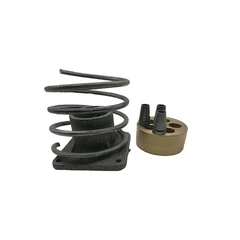
There is an extensive variety of lifting insert styles designed for specific projects and loads; understanding them all is vital when making selection decisions for lifting projects.
1. Threaded Inserts:
Threaded Inserts are one of the most frequently utilized lifting solutions in precast concrete construction, featuring threaded holes to accommodate hardware such as lifting rods or bolts for lifting applications. Their flexibility also makes threaded inserts popular choices that can be utilized across a range of precast elements.

2. Flat Plate Inserts:
These perforated plate inserts feature an adhesive surface backed with perforations designed to securely grip thinner elements such as precast panels or slabs while providing lifting hardware with access points for connection purposes.
3. Edge Inserts:
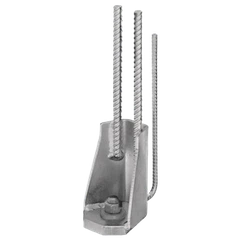
Edge inserts are specifically designed for elements with limited access points, providing a solid lift connection along precast elements' edges for lifting panels or walls with fixed clearance points - especially useful when lifting heavy panels.

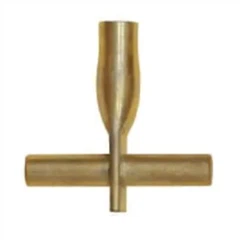
4. Utility Inserts: Utility inserts are multifunctional attachments often found on architectural and decorative precast elements in precast concrete construction projects; they serve both to lift as well as attach various accessories or fixtures. Utility insertions may also be utilized during structural precast concrete projects.
Installation of Lifting Inserts
Proper installation is vital to their effective use and overall lifting safety, so this chapter covers key steps involved with their setup process.
Step 1: Precise Placement
The initial step in installing lifting inserts involves precise placement on precast elements to distribute their weight equally during hoisting operations. This may involve selecting optimal spots to locate inserts to achieve even weight distribution throughout hoisting operations.
Step 2: Preparation of Insert Cavities
Once a site location has been determined, the next step should be creating cavities within precast elements for inserts to be installed into. Generally, this involves creating holes or recesses in concrete to accommodate them.
Step 3: Insert Installation
Once cavities for inserts to be safely installed into concrete structures have been created, it's necessary to secure them using adhesive or mechanical fastening methods so they remain securely installed in their place.
Step 4: Curing and Inspection
Once in place, sufficient time must be allowed for adhesive or mechanical fasteners to set. Once their curing times have expired, a thorough inspection should take place to make sure inserts remain securely installed before lifting can commence.
Applications of Lifting Inserts
Lifting inserts find use in various precast concrete elements. Here are a few common applications of lifting inserts:
1. Precast Panels: Lifting inserts are widely utilized when handling precast panels that are widely utilized in both residential and industrial construction projects.
2. Stairs and Steps: Lifting inserts are essential when installing precast concrete stairs and steps accurately, guaranteeing their precise installation.
3. Columns and Beams: Lifting inserts provide the solution for handling and installing precast concrete columns and beams, which form essential structural components in buildings.
4. Architectural Elements: Lifting inserts are used to install decorative and architectural precast elements like claddings or facades.
Safety Considerations
Working with lifting inserts for precast concrete construction must always take precedence over other factors. Below are a few essential safety considerations:
1. Load Capacity: Always ensure the lifting inserts meet their anticipated load capacity, as exceeding this capacity can result in equipment malfunction or accidents.
2. Proper Equipment: Use lifting equipment suitable to both the load and lifting inserts, such as slings, hooks, and shackles in your tool belt for lifting.
3. Regular Inspections: To maintain optimal lifting insert performance and hardware longevity, perform periodic checks for signs of wear or deterioration to identify wear, damage, or degradation in lifting inserts and related hardware.
4. Training and Certification: Make sure that personnel involved with lifting operations have received proper training and certification on safe lifting practices.
Innovations in Lifting Inserts for Precast Concrete
Construction industry innovation continues to transform and advance efficiency, safety, and sustainability in precast concrete construction projects worldwide. Lifting inserts have not escaped this development trend either - in this chapter, we explore some of the latest innovations within lifting inserts that have revolutionized their respective fields.
Advanced Materials and Durability:
One of the most incredible advancements in lifting insert technology has been their increased use of advanced materials. Traditional lifting inserts were typically manufactured out of stainless steel or cast iron - known for their strength and corrosion resistance - however, recent innovations have introduced even stronger and corrosion-proof materials into production, such as high-strength alloys or composites to guarantee that they withstand tough environmental conditions over an extended service life span.
Load Monitoring Technology:
Lifting inserts have evolved with smart construction in an age where loads can vary widely during lifting operations, providing real-time data that enables instant analysis and compliance monitoring against load limits and safety regulations. Load monitoring technology further boosts safety by helping prevent overloading while offering early warning of potential issues.
Modular Lifting Systems:
Modular lifting systems represent another groundbreaking method of precast concrete construction. Consisting of prefabricated lifting inserts easily integrated during manufacturing, their modular design enables quick and efficient installation, thereby cutting labor costs and construction time considerably while meeting any particular project need. Plus, they're fully customized according to project needs for maximum flexibility and adaptability!
Lifting Insert Sustainability:
Sustainability in construction has become an increasing focus, including lifting inserts. Innovative manufacturers are creating eco-friendly lifting inserts with low environmental impacts by employing recycled materials in the production or adopting designs optimized for material utilization - aligning themselves with more comprehensive goals of lowering carbon emissions related to construction projects while encouraging environmentally responsible practices.
Integration with Building Information Modeling (BIM):
Building information modeling (BIM) has proven its worth in both planning and executing construction projects. Lifting inserts have now been integrated into BIM models for precise placement and load calculation purposes - streamlining both design and installation by providing digital representations of lifting operation processes. BIM-enabled lifting inserts help improve project coordination while simultaneously decreasing errors, leading to enhanced outcomes for each construction endeavor.
Proper Maintenance and Inspection of Lifting Inserts
Though lifting inserts are designed for durability, regular maintenance and inspection must still take place to ensure their continued reliability and safety during lifting operations. Neglecting maintenance could result in early wear-and-tear as well as possible risks during lifting operations.
Routine Inspection:
Scheduling regular inspections for lifting inserts is key. Inspections should include a visual examination of them for signs of damage, corrosion, or wear that should be addressed quickly to prevent further deterioration.
Cleaning and Lubrication:
Cleaning and lubricating lifting inserts are an integral component of maintenance, as dirt, grime, or debris build up on them over time could compromise their functionality and lead to obstructions or corrosion issues in operation. Lubricating helps avoid corrosion for smooth operation as well as provides corrosion prevention benefits.
Regular Load Testing:
Load testing should be carried out periodically to accurately assess the load capacity of lifting inserts by subjecting them to loads that replicate actual lifting operations and provide assurance that their performance has not been impaired by wear and damage.
Replacement of Worn Inserts:
Lifting inserts have an indefinite lifespan, and eventually, they must be replaced. Therefore, having an established process in place to identify worn-out lifting inserts before they pose any safety threats should help determine when replacement should take place. Regular inspections and load testing can provide invaluable assistance here.
Documentation and Record-Keeping:
Maintaining accurate records of lifting insert maintenance and inspection is crucial, serving both as a historical record of its condition and history as well as being vital in showing compliance with safety standards and regulations.
Industry Regulations and Standards
Lifting inserts used in precast concrete construction must comply with strict industry regulations and standards to guarantee their use safely and reliably, and compliance is an integral part of all successful construction projects.
OSHA Regulations:
Within the US, OSHA regulates and sets standards that ensure the safe usage of lifting equipment and accessories like lifting inserts. They define load limits, inspection requirements, and other precautionary steps necessary for protecting workers.
European Standards (EN):
Lifting inserts sold within Europe fall under the European Union Machinery Directive, which sets forth standards for the design, production, and use of lifting equipment. EN standards provide specifications such as load classes, safety factors, and testing procedures that ensure their reliability and safety.
Local Codes and Regulations:
Lifting inserts must adhere to both national and international standards as well as any local building codes that might apply, so it's wise to consult the relevant authorities and regulations to ensure compliance with any regional requirements.
Certification and Compliance:
Lifting inserts must bear certifications and markings that demonstrate compliance with regulations and standards applicable to their projects, so construction professionals should verify if their lifting inserts meet them before purchasing or renting any.
Conclusion
Lifting inserts play an integral role in precast concrete construction projects by guaranteeing construction projects' efficiency, precision, and safety. From humble origins as minor components, lifting inserts precast concrete have since evolved into sophisticated tools incorporating advanced materials, innovative technology, sustainability considerations, and proper inspection practices - as industry regulations change, so will the capabilities of lifting inserts become even more fantastic! -- Lifting inserts will remain indispensable in building robust yet long-standing structures that shape our world today.