





When lifting precast concrete elements, choosing the right lifting socket is essential for safe handling and efficient production. However, flat plate and tubular lifting sockets have different designs, anchorage methods, and installation requirements. The wrong choice may create problems with concrete thickness, reinforcement placement, or load transfer. So, how do you decide which one suits your project? Understanding the key differences will help you select a lifting socket based on your element dimensions, lifting loads, and reinforcement layout.
What Is a Flat Plate Lifting Socket?
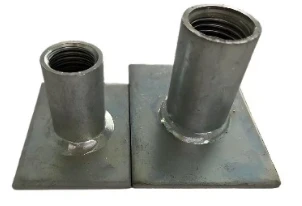
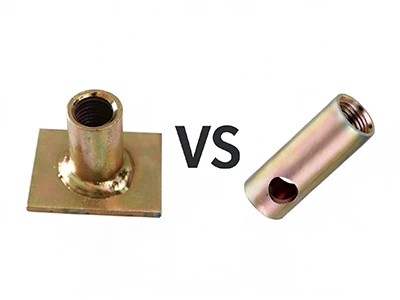
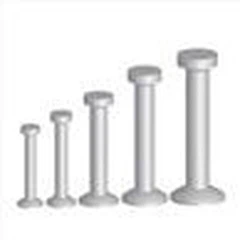
A flat plate lifting socket is a threaded steel insert with a flat base plate, designed for lifting precast concrete elements where installation depth is limited. You can use it in thin concrete slabs, floor panels, and other shallow precast components. The base plate works with additional reinforcement to transfer lifting forces into the surrounding concrete. When selecting a flat plate lifting socket, you should check the element thickness, thread size, load capacity, and reinforcement requirements. Proper installation according to the manufacturer's specifications is essential for safe lifting operations.
What Is a Tubular Lifting Socket?
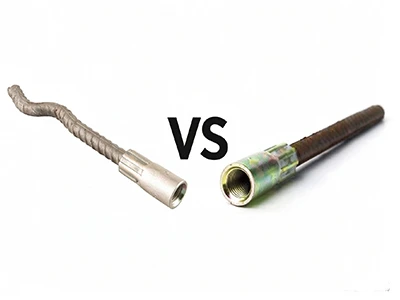
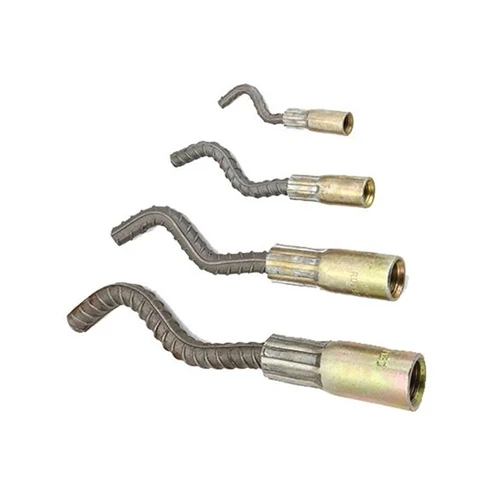
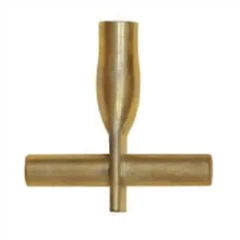
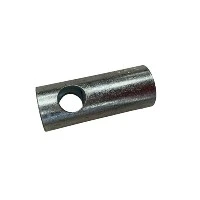
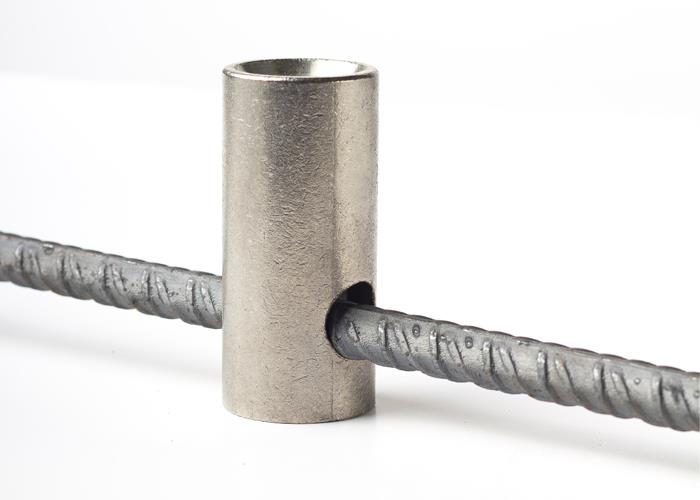
A tubular lifting socket is a cylindrical steel insert with internal threads and a cross hole for reinforcement. It provides a threaded lifting point for handling precast concrete elements such as walls, beams, and floor slabs. During lifting, a reinforcing bar inserted through the cross hole transfers forces into the surrounding concrete. You can choose from different thread sizes, lengths, and materials to suit your project. Before selecting a tubular lifting socket, check the element thickness, concrete strength, load rating, and reinforcement requirements to ensure it suits your lifting conditions.
Flat Plate vs. Tubular Lifting Sockets: Key Differences
Although both types of lifting sockets are used to lift precast concrete elements, their structural designs, anchorage methods, and installation requirements are different. Understanding these six factors will help you choose the right socket for your concrete elements and lifting conditions.
Structural Design and Dimensions
A flat plate lifting socket consists of a threaded steel socket welded to a flat steel plate. The plate provides a wider bearing surface and connects with the specified reinforcement.

A tubular lifting socket has a cylindrical steel body with an internal thread and a transverse cross-hole. A reinforcement bar passes through this hole to form the anchorage.
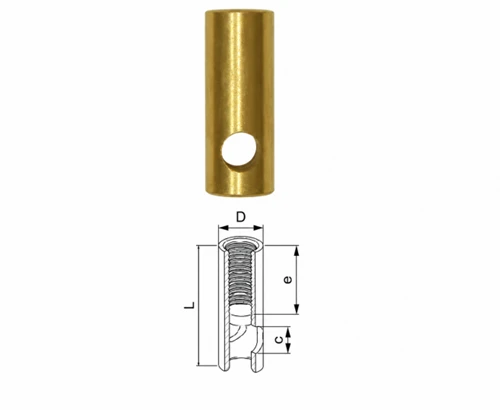
The main difference is the shape and anchorage structure. Flat plate sockets have a low-profile design, while tubular sockets use a longer cylindrical body.
Load Transfer Mechanism
Flat plate lifting sockets transfer lifting forces through the base plate and its specified reinforcement into the surrounding concrete. The plate helps distribute the load over a wider area.
Tubular lifting sockets transfer forces through the reinforcement bar installed across the cross-hole. The bar anchors the socket within the concrete and helps resist lifting loads.
Both systems rely on proper reinforcement and concrete conditions for safe load transfer.
Embedment Depth and Concrete Thickness
Flat plate sockets are useful when you have limited installation depth, such as in thin concrete panels or shallow precast elements.
Tubular sockets require sufficient embedment depth to accommodate the socket body and anchorage reinforcement. You should check the element thickness and edge distance before selecting a suitable model.
Reinforcement Requirements
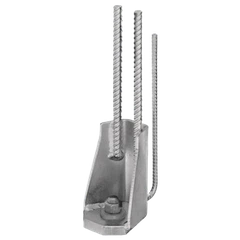
Flat plate sockets require reinforcement arranged according to the product design, often around or connected to the base plate.
Tubular sockets typically use a reinforcement bar passing through the cross-hole. You need to confirm the bar diameter, position, and anchorage length to match the specified design.
Installation and Formwork Compatibility
Flat plate sockets need to be positioned and secured with the plate correctly aligned before concrete pouring.
Tubular sockets also require accurate positioning. Their openings and internal threads should be protected from concrete during casting. Check whether the fixing accessories fit your formwork and reinforcement layout.
Load Capacity and Lifting Conditions
The load capacity of either socket depends on its rated specification, concrete strength, reinforcement, edge distance, and lifting direction.
Before choosing, check the working load limit and whether the socket is approved for axial or inclined lifting. Also consider the forces involved during demolding, turning, and transportation. Never select a socket based on its dimensions alone.
|
Comparison Factor |
Flat Plate Lifting Socket |
Tubular Lifting Socket |
|
Structural Design |
Threaded socket with a flat steel plate |
Cylindrical threaded body with a cross-hole |
|
Load Transfer |
Through the base plate and specified reinforcement |
Through reinforcement passing through the cross-hole |
|
Embedment Depth |
Low-profile design for shallow elements |
Requires suitable embedment depth |
|
Reinforcement |
Arranged around or connected to the plate |
Installed through the cross-hole |
|
Installation |
Plate positioning and fixing before casting |
Socket positioning and cross-hole bar installation |
|
Load Capacity |
Depends on rated capacity and installation conditions |
Depends on rated capacity and installation conditions |

Which Precast Concrete Applications Suit Each Lifting Socket?
Your choice of lifting socket depends on the type of precast concrete element you produce and its lifting requirements.
Applications of Flat Plate Lifting Sockets
Flat plate lifting sockets are particularly suitable for thin concrete slabs, architectural panels, fascia panels, and shallow precast elements where limited thickness makes deeper anchorage difficult.
Applications of Tubular Lifting Sockets
Tubular lifting sockets are commonly used in precast walls, beams, and floor slabs where sufficient space is available for the socket body and cross-hole anchorage reinforcement.
What Should You Consider When Selecting for Different Elements?
Look beyond the type of concrete element. Check your available embedment depth, reinforcement layout, lifting point location, and load direction. Always verify that the selected socket meets the manufacturer's minimum concrete thickness and edge distance requirements.
How to Choose the Right Lifting Socket for Your Precast Elements
Choosing the right lifting socket requires more than matching its size to your concrete element. You need to consider the element's dimensions, lifting loads, reinforcement, and project requirements.
Check Your Concrete Element Dimensions
Start by checking the length, width, and thickness of your precast element. Make sure there is enough space for the socket and its anchorage reinforcement. If you are working with thin panels or shallow slabs, a flat plate lifting socket may be worth considering.
Determine the Required Lifting Capacity
Calculate the total weight of your concrete element and determine the load on each lifting point. Also consider the lifting angle, number of lifting points, and dynamic forces during demolding and transportation. Select a socket with a suitable rated working load.
Review Concrete Strength and Reinforcement
Check the concrete strength when lifting takes place, not just its final design strength. Review the main reinforcement layout and confirm that the required anchorage bars can be installed correctly.
Confirm Lifting Accessories and Thread Compatibility
Check the socket thread size, such as Rd or metric threads, and make sure it matches your lifting clutch or other approved accessories.
Check Product Documentation and Project Requirements
Before ordering, review the manufacturer's load tables, installation instructions, and permitted loading directions. Confirm that the selected lifting socket meets your project's technical and safety requirements.
Conclusion
Choosing between flat plate and tubular lifting sockets depends on your precast element's dimensions, load requirements, reinforcement layout, and installation conditions. Flat plate sockets are useful for shallow elements, while tubular sockets offer a different anchorage arrangement through cross-hole reinforcement. Neither is suitable for every application. Before making your choice, check the manufacturer's specifications and lifting requirements. At GME, we provide precast concrete lifting solutions to support your projects. Contact us with your drawings and requirements to find a suitable lifting socket for your production needs.
FAQs About Flat Plate and Tubular Lifting Sockets
Q: Can Flat Plate and Tubular Lifting Sockets Be Used Interchangeably?
A: No. These two lifting sockets have different anchorage designs and reinforcement requirements. Replacing one with the other may affect load transfer and lifting safety. Always check the engineering design and manufacturer's specifications before making a substitution.
Q: Can Tubular Lifting Sockets Be Installed in Thin Concrete Panels?
A: Yes, but only if the panel thickness provides enough space for the socket and its required anchorage reinforcement. Check the minimum concrete thickness, embedment depth, and edge distance before installation.
Q: How Do You Protect Lifting Socket Threads During Concrete Pouring?
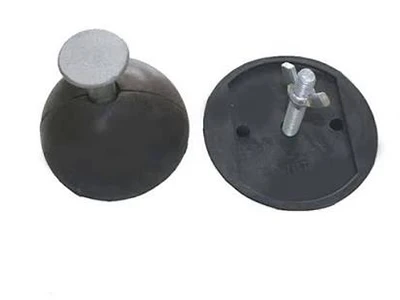
A: Use a suitable plastic plug or thread protection cap to prevent concrete from entering the socket. Make sure the cap fits securely and remove it before attaching the lifting accessory.
Q: Can Lifting Sockets Be Used for Both Vertical and Inclined Lifting?
A: It depends on the socket design and its approved loading directions. Some lifting sockets support axial and inclined loading, while others have specific restrictions. Always check the manufacturer's load tables and installation instructions.
Q: What Is the Difference Between a Lifting Socket and a Fixing Socket?
A: A lifting socket is designed to connect a precast concrete element to approved lifting equipment during handling and installation. A fixing socket is designed to secure components, fixtures, or structural connections. They are not interchangeable, even if their external designs look similar.