





Choosing the right lifting anchor system is essential for safe and efficient precast concrete handling. Different precast elements, such as wall panels, beams, slabs, stairs, and pipes, require different lifting solutions based on weight, geometry, lifting direction, and concrete strength. You may need a pin anchor system, C-flat lifting system, or Z-threaded socket system, depending on your application. This guide explains the main types of lifting anchor systems for precast concrete, how they differ, and what you should consider when selecting a suitable system for your production and lifting requirements.
What Is a Lifting Anchor System?
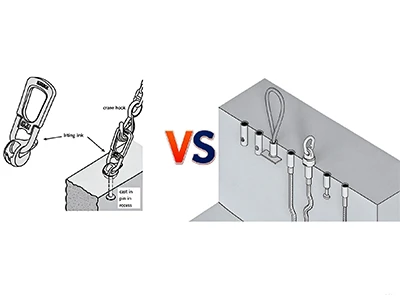
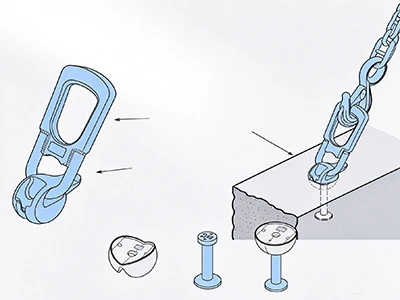
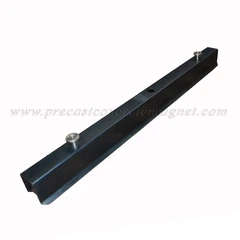
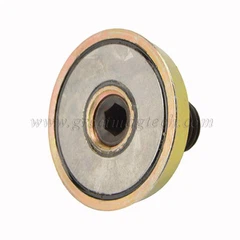
A lifting anchor system is a complete lifting solution comprising three main components: the cast-in anchor, the recess former, and the lifting clutch. These parts are designed to work together as one system rather than as separate components. When selecting a system for your precast concrete elements, you need to make sure the anchor capacity, clutch type, recess shape, and lifting conditions are properly matched. Using incompatible or incorrectly selected components can increase the risk of concrete cracking, anchor failure, dropped elements, or site accidents. For available system components, see our Precast Concrete Lifting Accessories range.

How a Lifting Anchor System Works
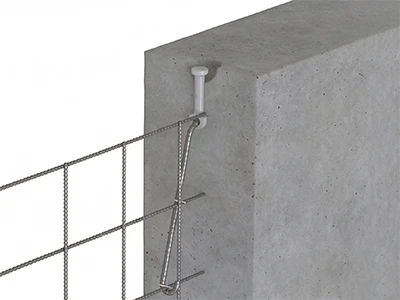
A lifting anchor system works by creating a secure lifting point inside the precast concrete element. Before casting, you position the anchor in the mold with a recess former to keep it in the correct place. After the concrete is poured and reaches the required strength, the recess former is removed, leaving access to the anchor head. You can then connect the matching lifting clutch or lifting device and attach it to the crane. During lifting, the load is transferred from the clutch to the embedded anchor and then into the concrete. Using the correct matching components helps you lift, move, and install precast elements more safely and efficiently.

Main Types of Precast Concrete Lifting Anchors
Different precast elements require different lifting anchors, so you should choose the system based on the element shape, lifting method, and connection type.
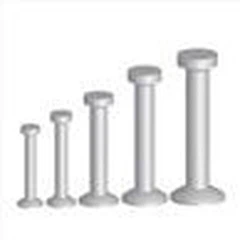
Spherical Head Anchors
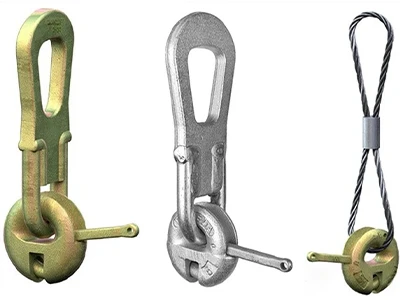
Spherical head anchors, also called foot anchors, are widely used for general precast lifting. They work with a matching lifting clutch and recess former, making them suitable for repeated handling of wall panels, beams, slabs, and other precast elements.
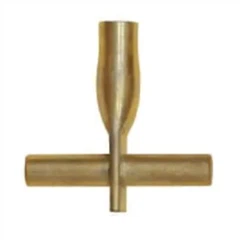
Utility Lift Anchors
Utility lift anchors provide a simple lifting point for many standard precast applications. They are useful when you need a practical connection for lifting and moving concrete elements during production or installation.
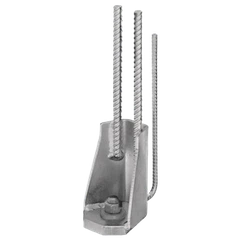
Erection Anchors
Flat and erection anchors are commonly used for thinner precast elements, wall panels, edge lifting, turning, and erection from horizontal to vertical positions.
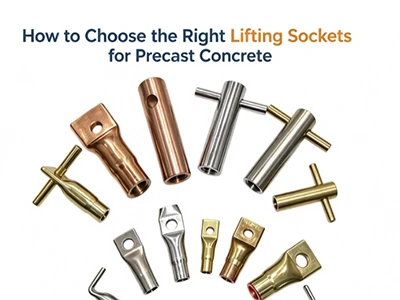
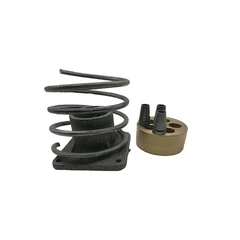
Threaded Lifting Socket
Threaded lifting sockets use a threaded lifting device for connection. They are suitable for walls, slabs, beams, pipes, and other precast elements where a threaded lifting point is preferred.
|
Anchor Type |
Connection Method |
Best Suited For |
Typical Use |
| Spherical Head Anchors |
Lifting clutch |
General precast elements |
Lifting and handling |
|
Utility Lift Anchor |
Hook or compatible lifting device |
Standard precast elements |
General lifting |
|
Erection Anchor |
Compatible lifting clutch |
Thin panels and walls |
Edge lifting, turning, erection |
|
Threaded Lifting Socket |
Threaded lifting device |
Walls, slabs, beams, pipes |
Threaded lifting connection |

Spherical Head Anchors

Utility Lift Anchor

Erection Anchor

Threaded Lifting Socket
How to Choose the Right Lifting Anchor System
Choosing the right lifting anchor system starts with understanding your precast element, lifting conditions, and how the anchor will work with the surrounding concrete and reinforcement.
Match Anchor Capacity to Element Weight
You should first confirm the total weight of the precast element and the number of lifting points. Do not select an anchor based only on its rated capacity without considering the actual lifting arrangement.
Check Concrete Strength at Time of Lift
Concrete must reach the required strength before lifting. Early demoulding or lifting can reduce the holding performance around the embedded anchor and increase the risk of cracking.
Confirm Reinforcement Compatibility
Check whether the selected anchor requires additional reinforcement and make sure it fits your existing rebar layout without causing installation conflicts.
Consider Rigging Configuration
Finally, consider the lifting direction, sling angle, number of lifting points, and whether the element needs turning or erection. These factors can affect which lifting system is suitable for your application.
Installation & Handling Best Practices
Correct installation is essential for safe and reliable lifting. You should position the anchor securely in the mold and use the correct recess former to maintain the required location and alignment. Before lifting, make sure the concrete has reached the specified strength and check that the lifting clutch or threaded device matches the anchor system. Keep lifting points clean and free from concrete residue, and inspect reusable lifting hardware for wear or damage. During handling, avoid sudden shock loads or uncontrolled side pulling, especially when turning or erecting precast elements.

Common Mistakes When Selecting a Precast Lifting System
Choosing the wrong lifting system can create handling problems, damage precast elements, or increase safety risks, so you should check more than just the anchor size.
Choosing Only by Load Rating
Do not select an anchor only because its rated capacity looks high enough. Element geometry, lifting points, and actual handling conditions also matter.
Ignoring Lifting Direction
Straight lifting, angled lifting, turning, and erection can place different loads on the anchor system.
Mixing Incompatible Anchors and Clutches
Always use anchors, clutches, and recess formers that are designed to work together.
Ignoring Concrete Strength
Lifting too early can increase the risk of cracking or anchor failure around the lifting point.
Using the Wrong System for Thin or Tilt-Up Elements
Thin panels and elements that must be turned or erected often need a lifting system designed for those specific conditions.
Conclusion
Choosing the right lifting anchor system depends on your precast element weight, shape, concrete strength, lifting direction, and installation method. You should also make sure the anchor, recess former, and lifting clutch are properly matched as one system. For wall panels, beams, slabs, pipes, or tilt-up elements, the best option can vary by application. If you are unsure which lifting anchor system fits your project, send us your element dimensions, weight, drawing, and lifting method. GME can help you compare suitable options for your precast production.
FAQ
Q: What's the difference between a lifting anchor and a lifting insert?
A: A lifting anchor is usually a cast-in component designed specifically for lifting precast concrete. A lifting insert is a broader term that can include threaded sockets or other embedded lifting points. Both must be selected according to the element and lifting method.
Q: Can precast concrete lifting anchors be reused?
A: Cast-in lifting anchors normally remain inside the precast element and are not reused. Reusable components, such as lifting clutches or lifting devices, should be inspected regularly for wear or damage before use.
Q: What anchor type works best for thin wall panels?
A: Flat or erection anchors are often better suited for thin wall panels, especially when the element needs edge lifting, turning, or erection. Final selection should also consider panel thickness, weight, reinforcement, and lifting direction.
Q: What's the difference between a lifting anchor and a lifting clutch?
A: The lifting anchor is embedded permanently in the concrete, while the lifting clutch is a reusable device that connects the anchor to the crane or lifting gear. The two components must be compatible.
Q: How do I know how many anchors my precast element needs?
A: The number of anchors depends on element weight, size, lifting-point layout, load distribution, and rigging method. You should not determine the quantity by simply dividing the total weight by the capacity of one anchor.