









In the ever-evolving realm of weightlifting and construction, one fundamental component remains constant: the anchor system. Whether you're erecting towering skyscrapers, fortifying bridges, or sculpting your dream physique, the anchor system is the unsung hero that holds it all together. Welcome to "Navigating the World of Lifting Anchor Systems: A Comprehensive Guide."
Join us on an exhilarating journey through the intricate web of anchor technologies, from the heavy-duty solutions that bear the weight of modern marvels to the precision systems that power your fitness ambitions. Get ready to unlock the secrets of stability and strength in this indispensable handbook for professionals and enthusiasts alike.
What Are Lifting Anchor Systems?
Lifting anchor systems are essential in various industries, including construction, maritime, and manufacturing. These systems serve the critical purpose of securing and lifting heavy objects, ensuring stability, safety, and efficient handling.
Lifting anchor systems come in various designs and configurations, each tailored to specific applications. They typically consist of an anchor element (such as an eye
bolt, threaded rod, or hook) and a connection point (like a lifting point, eyelet, or attachment) to which slings, cables, or other rigging equipment can be attached.
The choice of the correct lifting anchor system depends on factors like load capacity, environmental conditions, and the specific needs of the task at hand. These systems play a crucial role in many industries, from hoisting construction materials to securing cargo on ships and supporting heavy equipment in manufacturing facilities.

Types of Lifting Anchor Systems
Lifting anchor systems are a fundamental component of construction, primarily used to facilitate the lifting and positioning of heavy loads. They come in various forms, each designed for specific applications and load capacities. Before delving into the details, let's explore the main types of lifting anchor systems:
Embedment Lifting Systems
Embedment lifting systems involve embedding anchor components into the structure during the concrete pouring. These systems are suitable for long-term, permanent installations. The primary types of embedment lifting systems include:
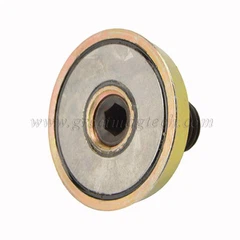
● Threaded Inserts: These are installed with a threaded opening, allowing for the attachment of lifting hardware such as eyebolts or shackles.
● Welded Inserts: These inserts are typically welded to the structure, providing a strong and secure lifting point.
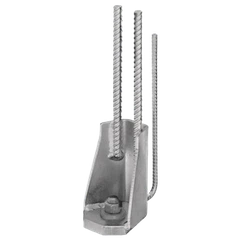
● Plate Anchors: Plate anchors are installed by welding or bolting, offering a versatile attachment point for lifting and other applications.
Cast-In Lifting Systems
Cast-in lifting systems are integrated into the concrete formwork before concrete placement. They are ideal for ensuring a smooth, flush surface while providing a reliable lifting point. Some common cast-in lifting systems include:
● Swift Lift Systems: These systems use embedded anchors with a unique design, allowing easy attachment and quick release.
● Erection Anchors: Erection anchors are typically cast into the structure, and they often feature a spherical head for better load distribution.

● Utility Anchors: These are used for various applications, including lifting, pulling, and tie-off points for equipment and machinery.

Cladding Anchor Systems
Cladding anchor systems are designed to secure facades and cladding to a building's structure. They ensure the safety and stability of architectural elements and exterior panels. Types of cladding anchor systems include:
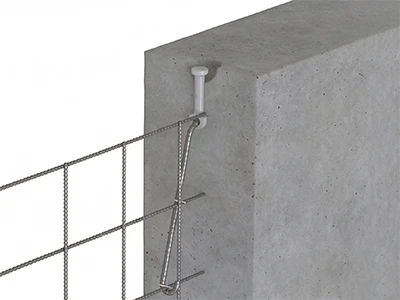
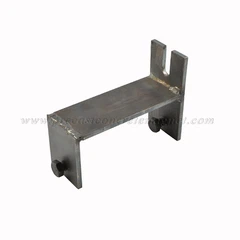
● Stone Cladding Anchors: These anchors provide a secure connection point for stone panels or other heavy cladding materials.
● Curtain Wall Anchors: Used in constructing glass curtain walls, these anchors ensure the stability of glass panels.
Applications of Lifting Anchor Systems
Lifting anchor systems have various applications across various industries due to their versatility and reliability. These systems are designed to securely hoist heavy loads, making them an essential component in modern construction and manufacturing. Here are the applications of lifting anchor systems, highlighting their significance in different sectors.
Construction Industry
Lifting anchor systems find extensive use in the construction industry. They are crucial in hoisting heavy components such as beams, panels, and structural elements into place.
This significantly accelerates construction processes, reduces labor costs, and enhances safety. Construction professionals rely on lifting anchor systems to ensure that materials are lifted and positioned with precision and efficiency.
Precast Concrete Manufacturing
The precast concrete manufacturing sector heavily depends on lifting anchor systems to move and position precast elements. These systems facilitate the handling of precast concrete products like walls, slabs, and columns.
By using lifting anchor systems, manufacturers can ensure a cost-effective and efficient production process, ultimately delivering high-quality precast products to the market.
Shipbuilding and Maritime Industry
In shipbuilding and the maritime industry, lifting anchor systems are instrumental in the assembly and maintenance of vessels. They are used to lift heavy ship components, such as engines, hull sections, and equipment, ensuring precise positioning and alignment. The efficiency and safety of these operations are essential in a field where precision and reliability are paramount.
Bridge Construction and Maintenance
In the construction and maintenance of bridges, lifting anchor systems are employed to hoist and position large bridge components, such as beams, girders, and deck sections.
This is crucial for ensuring the durability of the bridge and the safety of those working on it. Lifting anchor systems contribute to the timely completion of bridge projects and minimize disruption to traffic.
Industrial Facilities and Manufacturing
Manufacturing facilities often use lifting anchor systems to handle heavy machinery, equipment, and materials. These systems increase the efficiency of material handling processes, reducing the risk of damage and ensuring workplace safety. Whether in automotive plants, steel mills, or other manufacturing settings, lifting anchor systems are essential for streamlining operations.
Infrastructure and Utility Projects
Infrastructure projects, such as the installation of utility poles, streetlights, and traffic signal structures, benefit from the use of lifting anchor systems. These systems simplify the lifting and placement of these essential components, contributing to the timely completion of infrastructure projects.
Benefits of Using Lifting Anchor Systems
Lifting anchor systems are a game-changer across industries, offering many compelling advantages. Discover these seven key reasons why they should be your go-to choice:
● Unparalleled Safety: Elevating safety to the highest pedestal, lifting anchor systems provide unyielding security for heavy loads. By minimizing risks and ensuring the well-being of workers and the cargo they lift, they are an indispensable asset in industries where safety is paramount, such as construction and manufacturing.
● Enhanced Efficiency: These systems catalyze swift and efficient lifting, resulting in heightened productivity. They significantly cut down on time and labor, making operations smoother and more cost-effective. Your projects will meet deadlines and reduce labor expenses effortlessly.
● Remarkable Versatility:
Lifting anchor systems come in various forms, from embedment to surface mount systems, each with unique weight capacities and configurations. Their adaptability knows no bounds, making them the perfect fit for various applications and loads, from construction to shipbuilding.
● Pinpoint Precision:
Offering exquisite control during the lifting process, these systems guarantee the precise positioning of materials or components. In industries where the alignment of heavy objects is non-negotiable, like construction and manufacturing, this level of precision is nothing short of a blessing.
● Savings on Every Front:
Lifting anchor systems are the linchpin to cost savings. By elevating efficiency, reducing labor requirements, and fortifying safety measures, they make for a sound financial investment. Your projects will stay on budget and be completed promptly, proving cost-effectiveness.
● Eco-Friendly Impact:
By minimizing material handling requirements, lifting anchor systems contribute to a greener planet. They align seamlessly with the growing global emphasis on sustainability and eco-friendly practices, actively reducing the environmental footprint of construction and manufacturing projects.
● Durable and Reusable:
When properly maintained, lifting anchor systems exhibit impressive longevity, ensuring a cost-effective solution in the long run. Many of these systems are designed for multiple uses, diminishing the need for frequent replacements and offering exceptional value for your investment.
Considerations for Choosing the Right Lifting Anchor System
Selecting the right lifting anchor system is crucial to ensure the safety and efficiency of lifting operations. Here are key considerations when choosing the right lifting anchor system:
Weight Capacity
The weight capacity of the lifting anchor system is one of the most critical considerations. It must support the maximum load it will encounter during its intended use. Exceeding the weight capacity can lead to equipment failure, posing serious safety risks.
Therefore, it's essential to accurately determine the heaviest load the system will need to lift and choose an anchor system that exceeds that weight requirement to provide a safety margin.
Material Compatibility
Different lifting anchor systems are designed for specific materials, such as concrete, steel, or wood. It's imperative to choose an anchor system compatible with the object's material being lifted.
Using an incompatible system can lead to damage or failure, as the anchor may not securely attach to the material. Always ensure that the system's design and materials suit the application.
Application Specifics
Regarding selecting the ideal lifting anchor system, it's vital to consider the specific application in which it will be employed. The choice between using the system in construction, manufacturing, shipbuilding, or any other industry carries distinct requirements. These include the size and shape of the objects to be lifted and the prevailing environmental conditions.
Each application has a unique set of challenges, and comprehending these specifics is the key to making a well-informed decision. By considering the particulars of your intended use, you can select the most suitable lifting anchor system that perfectly aligns with your requirements and ensures optimal performance.
Environmental Conditions
The environment in which your lifting anchor system operates wields substantial influence over its performance and longevity. Factors like temperature, humidity, and exposure to corrosive substances can impact the system's durability.
For outdoor or marine applications, selecting systems made from materials resistant to corrosion and environmental challenges is pivotal.
Installation Method
The method of installation is another critical consideration. Some lifting anchor systems, like embedment anchors, are integrated into the structure during the casting process, while surface mount anchors are attached externally.
The choice depends on the project’s need and the ease of access to the installation point. Ensure that the installation method aligns with the construction or manufacturing process for a seamless integration.
Regulations and Standards
Different industries may have specific regulations and standards governing the use of lifting anchor systems. It's imperative to be aware of and adhere to these guidelines to enhance the safe and compliant use of the equipment.
Failure to comply with industry-specific regulations can result in accidents, project delays, and legal consequences. Consulting relevant industry standards and seeking expert advice may be necessary to meet compliance requirements.
Comparison Between Lifting Anchor Systems and Traditional Lifting Methods
This table highlights the key differences between lifting anchor systems and traditional lifting methods.
Comparison Criteria | Lifting Anchor Systems | Traditional Lifting Methods |
Safety | Offers enhanced safety with secure attachment points and minimal risk of accidents. | May involve higher safety risks due to hooks and chains that can slip or fail. |
Efficiency | Streamlines lifting operations, leading to faster and more efficient handling of heavy loads. | It may be less efficient, as traditional methods can be more time-consuming and labor-intensive. |
Versatility | Highly versatile, with options for various load capacities and applications. | Limited versatility, as traditional methods, may not easily adapt to different loads and situations. |
Precision | Provides precise control over the lifting process, allowing for accurate positioning of materials. | It may need more precision, making it easier to place heavy objects accurately. |
Cost-Effectiveness | Can contribute to cost savings by improving efficiency and reducing labor requirements. | It may be less cost-effective due to increased labor costs and potential downtime from accidents. |
Environmental Impact | Can reduce environmental impact by minimizing material handling requirements. | This may result in higher environmental impact due to inefficient and resource-intensive practices. |
Conclusion
In conclusion, lifting anchor systems are indispensable in modern industries, offering enhanced safety, efficiency, and versatility in handling heavy loads. Their precise control, cost-effectiveness, and reduced environmental impact make them a preferred choice for professionals in construction, manufacturing, and other sectors. The ability to meet specific application requirements, adhere to safety standards, and provide long-term reliability underscores their significance. When used in compliance with industry regulations, lifting anchor systems contribute to safer and more efficient lifting operations, ultimately leading to successful project completion and reduced environmental impact. These systems have become essential components, optimizing productivity while prioritizing safety.