





The construction sector has always been a leader in embracing innovation and incorporating new technologies to enhance efficiency, safety, and sustainability. In recent times, precast concrete components have garnered substantial popularity in construction.
Among these components, precast walls are making significant contributions to the construction landscape, offering a range of advantages, such as quicker construction schedules, enhanced quality, and reduced labor expenditures.
A key innovation that has played a pivotal role in this transformation is the precast wall production magnet. In this article, we will delve into precast wall production magnets, elucidating how they are ushering in a revolution in the construction industry.

The Rise of Precast Concrete in Construction
What Are Precast Walls?
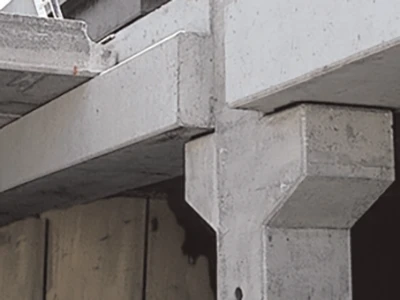
Precast walls are concrete panels or blocks that are prefabricated in a controlled environment and subsequently transported to construction sites for assembly. These walls find utility in various applications, including residential, commercial, and industrial construction. They have several advantages, such as impeccable finishes, consistent dimensions, and cost-effectiveness.
The Advantages of Precast Walls
Manufactured by casting concrete under controlled conditions and later assembled on-site, precast walls present many advantages that render them a favored choice in the construction sector. Here are some of the key benefits of utilizing precast walls:
Speed of Construction
Precast walls significantly reduce construction timelines. With traditional cast-in-place methods, the concrete needs to be cured on-site, which can take several days. In contrast, precast walls are manufactured off-site, allowing for parallel processes.
This means that while the foundation is being prepared on-site, the precast walls can be produced simultaneously, reducing construction time by weeks or months.
Quality Control
The controlled environment in which precast walls are manufactured ensures a high level of quality. Precise measurements and consistent mixtures result in walls with uniform strength and durability.
This level of quality is challenging to achieve with on-site casting, where variables such as weather conditions and artistry can impact the final product.
Cost Efficiency
Despite the initial investment in molds and equipment for precast production, the cost savings throughout a project can be significant. Reduced labor costs, faster construction timelines, and the ability to reuse molds for multiple projects contribute to cost efficiency.
Reduced Environmental Impact
Precast walls can be manufactured with eco-friendly materials and recycled at the end of their useful life. The reduced need for on-site formwork and scaffolding also minimizes waste. Additionally, the controlled production environment can lead to less pollution and a smaller carbon footprint.
Aesthetics and Design Flexibility
Precast walls offer a wide range of design possibilities. They can be produced with various finishes, textures, and colors, allowing architects and builders to achieve their desired aesthetic goals. The versatility of precast concrete makes it an ideal choice for modern and traditional designs.
The Role of Precast Wall Production Magnets

What Are Precast Wall Production Magnets?
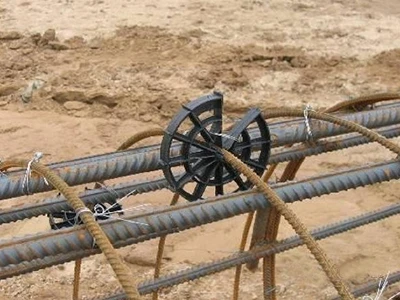
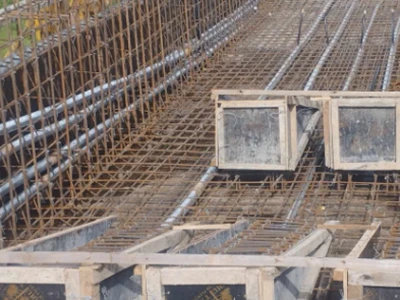
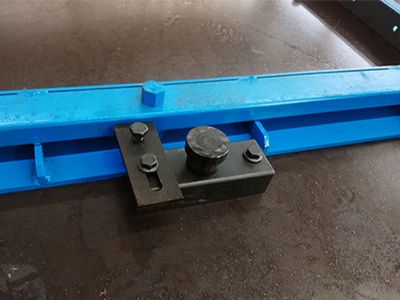
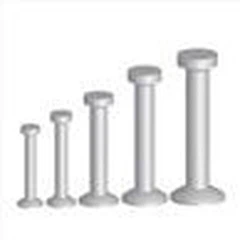
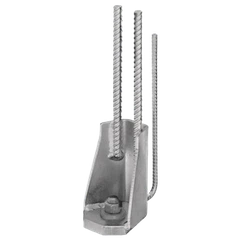
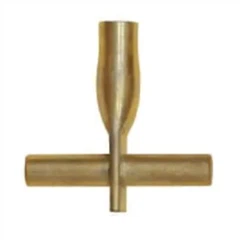
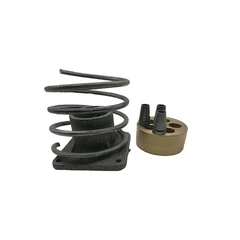
Precast wall production magnets are a fundamental component of the precast manufacturing process. These magnets are designed to hold the steel reinforcement (rebar) in place within the precast concrete forms, ensuring it is correctly positioned before the concrete is poured. They play an important role in producing high-quality precast walls by simplifying the reinforcement placement process.
Types Of Precast Wall Production Magnets
There are various types of precast concrete magnets used in the construction industry:
Shuttering Magnets
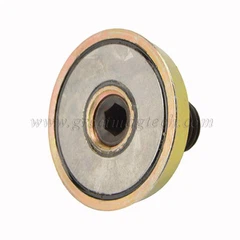
Shuttering magnets, or box or casing magnets, are large magnets encased in steel. They are attached to the surface of the formwork and secured in place with screws or clamps. Shuttering magnets are favored for their strong load-bearing capacity and stability, ensuring the secure positioning and alignment of concrete elements.

Magnetic Chamfers
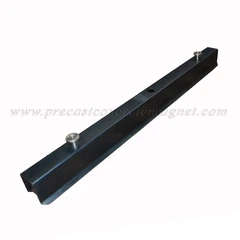
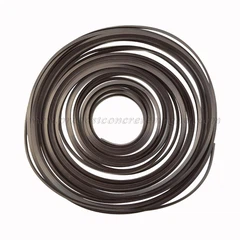
Magnetic chamfers, often called magnetic strips or chamfer strips, create beveled or chamfered edges on precast concrete elements. These strips contain flexible magnetic material enclosed in a rubber, steel or plastic casing.
They can be easily attached to formwork and adjusted to achieve the desired chamfer size and angle, primarily serving an aesthetic purpose by enhancing the appearance of concrete elements.

Magnetic Recess Formers
Magnetic recess formers are used in the construction industry to create recesses or voids within precast concrete elements such as walls, beams, or slabs. These formers facilitate the efficient incorporation of fixtures, attachments, or embedments into the concrete structure, including electrical conduits, plumbing pipes, HVAC ducts, anchor plates, and other components.

Magnetic Formwork Systems
Magnetic formwork systems provide comprehensive solutions by combining various magnets and accessories to assemble formwork efficiently. These systems include a mix of shuttering magnets, magnetic side rails, and other magnetic elements tailored to specific project needs.
They offer flexibility, allowing for easy customization and adjustment to various formwork configurations, making them a reliable and streamlined solution for various precast concrete applications.

How Precast Wall Production Magnets Work
The operation of precast wall production magnets is relatively straightforward yet highly effective. These magnets play a vital role in guaranteeing the accurate positioning of reinforcement within precast concrete walls. Let's delve into how they operate:
● The Magnet: At the core of the system lies the magnet itself. It is designed to generate a powerful magnetic field that securely holds the steel former.
● The Steel Former: The steel former is a critical component, typically made of steel bars or grids. It serves as the internal reinforcement structure of the precast wall. The steel former is placed inside the precast concrete mold.
● Positioning: To use the precast wall production magnet, the steel former is first positioned within the precast concrete mold, which will become an integral part of the wall's structure. The magnet, on the other hand, is placed on the exterior surface of the mold.
● Concrete Pouring: Once the steel former and magnet are in place, the next step is to pour the concrete into the mold. As the concrete is poured, the precast wall production magnet generates a powerful magnetic field that holds the steel former securely in place. This magnetic force prevents the steel former from shifting or falling during the pouring and curing.
● Ensuring Precision: The magnet's role in holding the steel former precisely in place is paramount. This precision ensures that the internal reinforcement is located exactly where it's intended to be within the wall. This precision is crucial for maintaining the structural integrity of the precast wall, as it prevents misalignment or shifting of the reinforcement.
In essence, precast wall production magnets serve as a reliable and efficient solution to ensure the accuracy and stability of the internal reinforcement structure within precast concrete walls.
Advantages of Using Precast Wall Production Magnets
Precast wall production magnets have brought about a transformation in the construction industry, providing a multitude of advantages that establish them as an essential tool in contemporary construction endeavors. Here are some of the primary benefits of incorporating these magnets.
Precision and Consistency
One of the most significant advantages of utilizing precast wall production magnets is the unparalleled precision and consistency they provide. These magnets ensure the precise placement of reinforcement within the precast wall.
Time Savings
Time is a valuable resource in any construction project, and precast wall production magnets excel in saving it. Using magnets significantly speeds up the production process by eliminating the need for manual labor to hold and position the reinforcement.
This not only reduces labor costs but also shortens the overall production timeline. The efficiency gained through magnets contributes to timely project completion, making them a cost-effective choice for construction projects.
Safety
Safety is paramount in the construction sector, mainly when dealing with heavy materials like steel rebar. Precast wall production magnets contribute to a safer working environment by eliminating the need for workers to handle manually and position rebar within the mold.
This, in turn, reduces the risk of injuries on the production floor. With magnets doing the heavy lifting, workers can focus on other essential tasks without compromising safety.
Durability
Precast wall production magnets are specifically engineered to endure the challenging conditions within the precast concrete production setting. Their design prioritizes durability and resistance to wear and tear, thereby ensuring an extended service life.
This longevity not only results in savings on replacement and maintenance expenses but also assures a consistent performance throughout the magnets' lifespan. It represents an investment in durability that ultimately yields substantial benefits in the long term.
Innovations in Precast Wall Production Magnets
Recent advancements in magnet technology have further improved the efficiency and effectiveness of precast wall production magnets. These innovations include:
● Electromagnetic Magnets: Some precast manufacturers use electromagnetic magnets that can be controlled electronically. This allows for more precise and flexible positioning of the reinforcement within the precast wall.
● Magnetic Formwork Systems: Magnetic formwork systems combine the use of precast wall production magnets with formwork that has a magnetic backing. This system simplifies the mold assembly and ensures that the magnets securely hold the formwork, reducing the risk of misalignment during the concrete pouring process.
● Innovative Magnets: Some precast wall production magnets have sensors and connectivity features. These innovative magnets can provide real-time data on the status of the reinforcement, helping manufacturers monitor and maintain quality control throughout the production process.
Real-World Applications
Precast wall production magnets have found diverse and valuable applications in real-world construction projects. Their versatility and efficiency make them indispensable tools in various scenarios. Here are some real-world applications where precast wall production magnets have proven their worth:
Residential Construction
The use of precast walls with production magnets has gained popularity in residential construction. For instance, in a housing development project, the implementation of precast walls reduced construction time by 30%, resulting in significant cost savings.
The magnets ensured the precise positioning of reinforcement, and using precast walls contributed to the project's sustainability goals by reducing waste and environmental impact.
Commercial Buildings
Commercial construction projects, such as office buildings and shopping centers, have also benefited from precast wall production magnets. The combination of precast walls and magnets has allowed for faster construction timelines, making it possible to complete projects on schedule. Additionally, the aesthetics and design flexibility of precast walls have allowed architects to create unique and visually appealing structures.
Industrial Facilities
In constructing industrial facilities where structural integrity and safety are paramount, precast walls with production magnets are highly valued. The precise placement of reinforcement the magnets ensures is crucial in these applications. This, combined with the speed of construction, allows for the timely completion of manufacturing plants, warehouses, and other industrial structures.
Challenges and Considerations
While precast wall production magnets offer numerous advantages, there are also challenges and considerations to be aware of:
Initial Investment
The setup of a precast manufacturing facility, including purchasing molds, magnets, and other equipment, requires a substantial initial investment. Companies considering the adoption of precast methods need to evaluate the costs and benefits carefully.
Skilled Labor
Although precast wall production magnets reduce manual labor in reinforcement placement, skilled workers are still required to operate and maintain the machinery and ensure quality control. Finding and retaining skilled labor can be a challenge for some companies.
Transportation and Handling
Transporting precast concrete elements to the construction site can be logistically challenging, especially for large and heavy components. Adequate planning and coordination are essential to ensure safe and efficient transportation and installation.
Regulatory Compliance
The use of precast concrete in construction is subject to building codes and regulations, which can vary by location. Manufacturers must ensure that their precast wall production processes and products comply with these requirements.
The Future of Precast Wall Production Magnets
As the construction industry continues to evolve, precast wall production magnets are expected to play an even more significant role in shaping the future of construction. Several key developments are on the horizon, promising to revolutionize the precast wall production process further:
Integration with Building Information Modeling (BIM)
Integrating precast wall production magnets with Building Information Modeling (BIM) technology is poised to enhance the precision and efficiency of construction projects.
BIM facilitates real-time data exchange and the creation of 3D models, providing better visualization, coordination, and quality control. The seamless incorporation of magnets into this digital environment will enable even more accurate placement of reinforcements, reducing errors and optimizing the construction process.
Automation and Robotics
Automation and robotics will take on a more substantial role in precast manufacturing. From the casting of concrete to the use of magnets for reinforcement placement, automation will further reduce labor requirements and increase production consistency.
Robots with advanced sensors and algorithms will work with precast wall production magnets to ensure flawless execution, speeding up the construction timeline and improving precision.
Sustainable Practices
The construction industry is increasingly focused on sustainability, and precast walls, in combination with the use of eco-friendly materials and energy-efficient production methods, will continue to drive the adoption of sustainable practices.
Precast wall production magnets, by minimizing material waste and optimizing the use of resources, align with the industry's sustainability goals. The reduction of the environmental impact of construction remains a top priority.
Advancements in Magnet Technology
The continuous development of magnet technology is expected to lead to more efficient and versatile precast wall production magnets. Innovations in materials and design will further enhance their performance and durability.
The future will likely bring magnets that are even stronger, more adaptable, and capable of handling a broader range of precast applications, making them invaluable assets for construction projects of all scales.
Conclusion
The construction industry's transition to precast concrete solutions, driven partly by precast wall production magnets, represents a large step forward in the quest for more efficient, sustainable, and high-quality construction practices. The benefits offered by precast walls, including accelerated construction, stringent quality control, cost-effectiveness, and diminished environmental footprint, are reshaping how we construct buildings.
With the ongoing evolution of the technology and processes related to precast wall production, we can anticipate further innovative and exciting advancements in the construction sector. The impact of precast wall production magnets in revolutionizing construction is evident, and their influence is poised to expand in the coming years, significantly shaping the industry's future.