

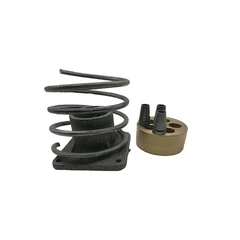

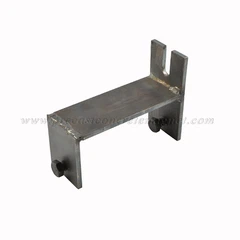
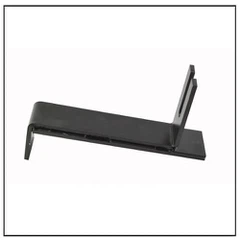


Selecting the right anchoring system is one of the most critical choices when undertaking any precast concrete construction project. The anchors need to lift and secure concrete components and ensure structural integrity and safety for decades after installation.
Let's compare the two most popular anchor types-cast-in loops and lifting loops-to help you make the best decision based on your needs.
What Are Cast-In Loops
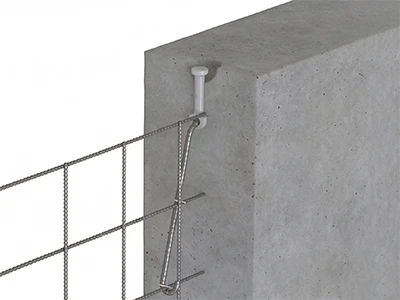
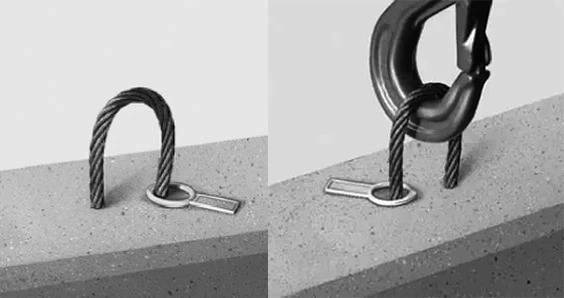
Cast-in loops, sometimes called embedded loops or anchor eyes, provide extremely sturdy permanent anchors fused right inside the concrete. Let's examine how they work and the key benefits that make them ideal for so many long-term applications.
What Are Cast-In Loops Made Of?
The loops are made of top-grade stainless steel or galvanized rebar, which offers high strength and corrosion resistance. The surrounding sleeve or anchor body can be plastic, stainless steel, or galvanized metal.
Advanced composite designs also exist. These use fiberglass or high-density polyethylene on the interior sleeve for electrical or thermal non-conductivity.
Installation Basics
Installing cast-in loops requires coordination with the rest of the rebar structure. Loops are positioned inside the rebar cage prior to pouring concrete, so they embed directly within the pour.
After the concrete cures, the loops fuse securely inside, ready to handle connection hardware. Their flared shape prevents them from pulling through the concrete when weight is applied from above.
Key Benefits and Advantages
Cast-in loops offer significant advantages that make them the gold standard for permanent concrete connections:
Extreme Strength - Thanks to their robust integrated design, cast-in loops reliably hold very heavy static and dynamic loads. This includes wind, seismic, mechanical vibration, and movement of connection elements.
Independent testing verifies most can withstand over 10,000 pound loads when appropriately installed. This also provides ample safety margin as safety factors generally range from 5:1 to 7:1.
Permanent Positioning-Once concrete sets, cast-in loops stay fused exactly where they were originally placed. This ensures that attachments occur in precisely planned positions without reliance on secondary drilling, anchors, etc.
For structural connections, there's no margin for error, even an inch or two. Cast-in integration eliminates such risks.
Long-lasting Durability – Quality cast-in loops endure for the entire lifetime of the concrete structure itself. The stainless steel and protective sleeves withstand corrosion, weathering, UV radiation, and other environmental threats.
Owners can enjoy maintenance-free performance for decades without anchors loosening over time.
Resists Natural Forces – Besides static loads, cast-in eyes excel at managing dynamic forces from seismic events, strong winds, or constant vibration. The direct embedment into rebar lattices distributes these energy loads safely into the more excellent concrete system. This keeps connections intact no matter the conditions.
Cost Efficiencies – Despite higher initial pricing, cast-in loops offer greater value thanks to longevity and structural reliability. Their permanence avoids the need for replacements or repairs down the road.
Applications Taking Advantage of Cast-In Loops
Given exceptional capabilities for safely securing long-term loads, cast-in eyes find abundant uses in infrastructure:
Bridges – Critical for securing guard rails, curbs, light posts, conduit runs, and signs
Dams – Anchor gates and critical utility lines like hydraulics, electrical
Commercial High Rises – Connect precast paneling and interior slabs
Seawalls – Stabilize massive blocks against tidal and wave forces
Stadiums – External features like attached signage and interior structural supports
Power Plants – Manage piping, ducting, exterior ladders, and platforms
Transportation – Guideway electrification, signals,and monitors need reliable anchors
The possibilities stretch as far as the imagination!
Limitations to Keep in Mind
With extraordinary capabilities come a few limitations to remain aware of:
Irreversible Positioning – Remedies are difficult and expensive if a loop gets placed incorrectly before pouring. The curing process permanently locks everything together. Prevent issues through meticulous planning!
Moisture Vulnerabilities – While stainless steel construction fights corrosion, rusting can still occur if water infiltrates and pools near loops long-term. Ensure drainage and take proactive sealing measures.
Higher Initial Cost-Permanent high-strength designs cost more upfront than temporary alternatives. However, their extended service life without replacement makes them more economical over time.
All About Lifting Loops
Sometimes referred to as crane loops, insert loops, or strand loops, this style of anchor features temporary steel connectors inserted into preset sockets.
Materials and Specifications
Lifting loops consist of high-strength steel alloys like ASTM A529 Grade 50 or SAE grade 8 zinc plating. Diameters generally range from 3/4 inch for light duty up to 2 inches handling over 30,000 lbs.
The legs must slide easily into the sockets. To facilitate positioning, nylon sleeves on the wire legs are standard.

Installation and Handling
Unlike cast-in eyes that set into fresh concrete, lifting loops are inserted after full curing. Preset sockets are cast with threaded inserts or blocks to accept bolts.
Rigging crews then lower loops into sockets and use retaining bolts temporarily. Closure plugs can seal sockets later.
Tool-less quick-release versions are also popular. Spring pin anchors allow hand installation without separate fasteners. Twist the loop, then lock or free it as needed.
For weight-bearing applications, always follow the manufacturer's guidance on proper use with capacities and safety factors clearly marked.
Where Do We Use Lifting Anchors?
Anywhere temporary connections to maneuver concrete products are helpful, lifting eyes are activated. Common usages include:
Transporting Precast – Rotate molded sections right side up, control stability, move the truck to the site
Tilting Wall Panels – Rotate massive panels vertically safely
Alignment Adjustments – Tweak positions minutely before final attachment
Crane Supports – Secure hoist rigging to various prefab pieces
Formwork Handling – Lift and relocate formwork frames between pours
Retrofitting – Modify existing structures by moving new precast into place
Repairs – Hoist onto scaffolding or staging to access the damaged concrete
The Benefits of Lifting Anchors
This versatile anchor style empowers several construction processes:
Mobility – Unlike fully embedded cast-in eyes, installers position lifting loops in optimal spots to cradle loads. This allows for better control when rotating or tilting prefab elements. No need to align fixed points on the piece with anchor locations.
Ease of Installation – Simply sliding loops into preset sockets, and minimal setup stands between crews and getting to work. No drilling or gluing is required.
Safety – Smooth, rounded loop construction with ample strength for intended loads prevents hand injuries. Easy insertion/removal also lowers fall risks associated with makeshift rigging attempts.
Reusability – Once concrete elements get positioned, lifting anchors are extracted for reuse elsewhere.
Adaptability-If design changes later require different pickup points, revise socket locations or add new ones to accommodate…no embedded anchors will go to waste.
Affordability – Lower material cost compared to permanent eyes helps control budgets on projects involving lots of precast handling.
Of course, temporary steel parts lack the permanency of cast-in loops…
Limitations to Understand
Temporary Service Life – Lifting eyes support construction processes before permanent structural connections take over. While extremely helpful through initial concrete positioning/alignment tasks, cast-in loops or other fixtures better serve long-term load bearing roles.
Susceptible to Dislodgement – Truck vibration, load shifting during crane movements, or accidents can knock unpinned loops loose. Redundant retention methods are wise.
For example, run the bolt or quick release pin even if also magnetizing. Relying solely on magnetic adhesion means dropped pieces and damaged goods if power fails!
Potential for Rust Development – Once removed after delivery, lifting loops sit idle and exposed to environmental elements. This risks corrosion before the next application. Check carefully for pitting, wear spots or cracks during redeployment.
Side-By-Side Comparison
How do cast-in eyes and lifting inserts stack up across key factors? Let's see how they compare.
| Category | Cast-In Loops | Lifting Loops |
| Typical Load Capacity | 10,000 - 100,000 lbs | Under 35,000 lbs |
| Security When Installed | Extremely high | Moderate |
| Positioning Adjustability | None | High while inserts in place |
| Permanence | Lifetime concrete structure | Temporary/short-term |
| Initial Costs | Higher | Lower |
| Long-term Costs | Lower | Higher with replacements |
| Lead Time | Rebar cage fab must account for placement | Stock items are readily available |
| Ideal Applications | Structural connections; sustained loads | Maneuvering/placing precast pieces |
Cast-in prevail on capacity, safety margins, and lifespan whereas lifting simplifies logistics. Now we'll explore hybrid anchoring combing both…
Blending Permanent + Temporary Systems
The best of both worlds utilizes cast-in eyes for lasting structural joints alongside removable loops to stage and align placements.
This takes advantage of strength in key positions while retaining flexibility to tweak. Bolting redundancy also prevents catastrophic failure if one anchor slips.
Some mixed material approaches include:
Sockets Augment Cast-Ins
Extra unused sockets give crews secondary lifting points if helpful. Maybe positioning obscures some cast-ins based on the rigging angle.
Since sockets mold into the form, they come "free" as part of the fabrication. Extras marginally impact cost if used or not.
Permanent Magnets + Loops
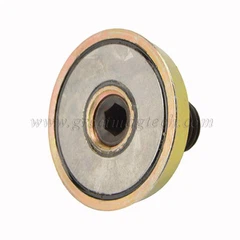
High-strength magnets make a reusable bridge between cast-in plates and lifting loops. Powerful magnetic adhesion prevents lateral slippage of wall panels or columns during final positioning.
Once aligned perfectly via loops, permanent structural connections finalize while magnets temporarily sustain loads.
Threaded Inserts
Welded anchors permanently fasten rebar inside concrete with threads protruding outside face. This accepts temporary bolts securing accessories like lifting eyes, strongbacks, bracing claws and more.
An embedded nut if you will!
Choosing the Best Lifting Anchor
With so many variables across applications, selecting appropriate anchors depends greatly on technical factors like:
Total load weights anticipated
Load positioning relative to pick points
Expected dynamic amplification eg, shock/vibration
Number of lift cycles required
Environmental corrosion risks
Our application engineers work closely with contractors and developers to analyze needs before recommending the ideal setup, integrating cast-in and temporary anchors.
Benefit from decades of cumulative field experience!
FAQ:
When should I use cast-in loops vs lifting loops?
Use cast-in loops for permanent connections that will endure forces over the concrete structure's lifetime. Choose lifting loops when you need to move or position precast concrete components.
Do cast-in and lifting loops meet safety standards?
Reputable manufacturers test both anchors to verify safe working loads under ASTM, CAN, EN, or other structural standards. Always check certification listings before purchasing. GME tests to double intended capacities.
Can I reuse lifting loops multiple times?
Yes, lifting loops are designed for repeated handling. Inspect for wear, cracks, or corrosion before reusing. Smooth nylon sleeves facilitate insertion and removal from sockets without damaging the loops.
What capacity do cast-in loops typically have?
Most cast-in loop anchors support 10,000 to over 100,000 lbs statically, depending on size and materials. This far surpassesthe reasonable safety factors of 5:1 for infrastructure loads.
Can I weld on cast-in lifting loops?
No, welding can damage the heat treatment, reducing strength. Use threaded studs or eye bolts screwed into built-in sockets for attachments instead. Never weld directly to loops.