



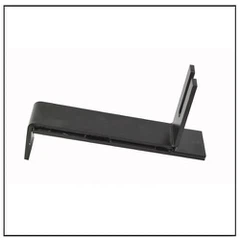


Knowing how to use a shuttering magnet correctly is very important because it can have a huge impact on how you handle precast concrete. Making sure that you understand the role and importance of a shuttering magnet is crucial, as it will help provide a much better result. Here's what you should know about using a shuttering magnet!
What Is A Shuttering Magnet?
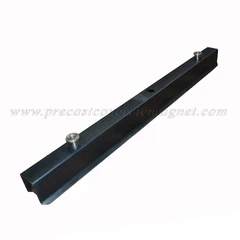
The shuttering magnet is a technology that helps with fixed formwork casting beds. These are usually made using NdFeB magnets. The magnets have a very high magnetic attraction. Because of that, you want to ensure that you have adequate concrete formwork, which won't fail despite the pressure. Using traditional wooden systems for concrete is prone to failure at some point.
With a shuttering magnet, you can use steel formwork and magnets to ensure that the contact area is adequate and everything works as expected. It works great with a variety of precast concrete solutions, and it can do wonders for a multitude of different construction projects.
How Can You Use A Shuttering Magnet Correctly?
The shuttering magnet is designed to fix precast concrete formwork in place. Traditional methods would require mechanical fixation such as using screws. However, those can deal with a lot of pressure and the formwork might not be fixed properly. The role of a shuttering magnet is to circumvent that problem.
A shuttering magnet has great suction strength, it's much easier to operate, and it's also very compact. All these features add up to deliver a secure and safe working environment. Used adequately, the shuttering magnet can help improve the labor efficiency, and it's versatile enough to work on a variety of construction projects. The magnetic system is designed to increase reliability, while preventing errors or potential problems.
Using a shuttering magnet correctly is all about understanding how the system works and how you can avoid damaging it properly. These magnets are known for being very easy to work with, provided that they have excellent working conditions. If the working conditions are not ok, you can end up with magnet damage, its power gets reduced, and it's a less effective magnet overall.
The important thing to note is that every shuttering magnet is heavily tested before being sold. It means you will have very good, high-quality magnets being used, and the ROI you can get from them is exceptional. You always want to implement a very professional and cohesive system to test the shuttering magnet and ensure it works correctly before using it. A test run to see if it works properly or not will help. After that, you can move on with the following steps:
1. The first thing you want to do is to prepare the shuttering magnet system. Now, you want to press the magnetic switch, which will allow the magnet to fit on the platform as firmly as possible. If you want to remove the magnet, you can pry the switch with a crowbar. Usually, what that does is the magnetic suction will be weakened. In doing so, you will be able to remove the magnet without a problem.
2. Ideally, you want to ensure that the surface smoothness is as good as it can be. If the surface is thick, that can also boost the magnetic power. That will also help the magnet deal even with any type of lateral shear force, something you have to keep in mind here.
3. When you connect the shuttering magnet, you can use the fixed screws. These will help connect with different fixtures. They work with channel-side die molds, angle steel, and a variety of side molds. It's important to ensure that everything is fixed in place, so the magnet can have the utmost effectiveness and work as expected.
4. Test the shuttering magnet system to ensure that nothing is moving. Once it's attached to the platform and it connects everything properly, you can start pouring the concrete. It's an effective and seamless method that will help provide excellent results, while also saving you time and effort.
What's great about using a shuttering magnet correctly is that it has very good magnetic alignment. You also don't have to worry about bonding or welding, which helps protect the target material in a much better way than expected. And on top of that, you can bolster efficiency, with fast placement and removal, as needed.
When you want to use a shuttering magnet correctly, here are some tips to consider:
A shuttering magnet should always be placed around the formwork's corners or edges.
Make sure that there's very good contact between the work surface and the magnet.
Activating the magnet should be performed firmly and without pressure. Ideally, the magnet needs to hold your formwork so there's no formwork movement.
Adequate cleaning is required after you use the shuttering magnet correctly. That way, you can prevent any possible damage to the magnet, and you can reuse it without concerns in the future.
Even after using the shuttering magnet, the important thing is to have it placed on a stainless steel cart. It will make it easier and more convenient to access, not to mention it will be easy to remove from there. That's the best storage approach, otherwise, if you are using an iron cart, that will suck the magnetic power and it's difficult to remove it.
Since these shuttering magnets are very sensitive at times, you always want to make sure that you handle them with care. You want to avoid throwing or even smashing the magnetic box. If you want to throw it from a distance, don't do that. And, as we already mentioned earlier, hard tools are bad and will pose various issues if you try to use them as the means to remove your shuttering magnet.
Are Shuttering Magnets Necessary?
There are multiple ways you can work with precast concrete. It always comes down to using the right system in place that can handle the concrete pressure. Magnets are found to be a lot better than other options, mainly because they can withstand a ton of pressure without failing. The fact they can handle multiple tons of pressure is very effective, and it shows the great value provided here.
Using the shuttering magnet system is also rather easy to do. However, as we said, these systems need to avoid a very hot operating environment. And, if you have any corrosion, that will have a negative impact on the power of your magnet. But for the most part, these shuttering magnets are extremely powerful and can easily provide a huge range of benefits.

What's The Structure Of A Shuttering Magnet System?

Depending on the manufacturer, the shuttering magnet systems can vary when it comes to structure and how they are built. However, a shuttering magnet system will usually have a few, important components!
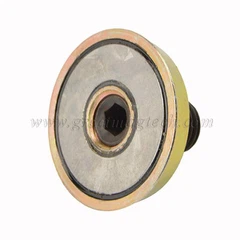
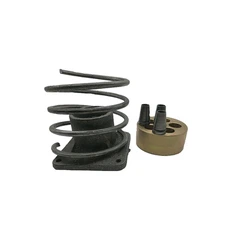
*The neodymium magnet is a major part of the unit, it has iron casing protection and anti-corrosion features. Magnets used in these shuttering magnet systems are high grate, N&M, and they are strong enough to support up to 3.5 tons in most cases.
*You also have a box casing, usually made out of iron. The magnet is connected to the box casing via a stainless steel stud.
*Screws are added on top of the box casing in order to boost the efficiency of the casing. They also ensure that everything sits in place.
*Right above the box casing, you will have a switch for the magnet. It allows you to turn it on or off at your leisure, which can be incredibly helpful.
*On top of the switch, you will have a high-quality spring. The role of this spring is to protect the magnet from dropping, but also to protect the switch as well. At the top of this spring, you have a plastic casing, designed to help improve thermal stability. It can also provide great wear resistance.
Are There Any Requirements When It Comes To Using A Shuttering Magnet?
There are a few things to consider if you want to use a shuttering magnet. These will include the following:
Generally, if you want to use a shuttering magnet system, the ambient temperature should be under 80 degrees Celsius.
Moreover, the medium around it shouldn't have any metal-corroding agents. If that's the case, the shuttering magnet system will not work as well, because corrosion will affect material quality.
The surface thickness and flatness will always affect shuttering magnet power. If the surface is smooth and thick, you will have better magnet suction. However, the less smoothness and thickness you have, the more problematic it could be, so try to take that into consideration.
The magnetic box will have 2 shuttering screws, and those can be connected to a variety of structures and types. However, that can vary based on the shuttering magnet. Yet, for the most part, the structures can be inherently different and with their fair share of requirements.
Having the right environmental conditions will always have a major impact on how the shuttering magnet works and operates. If the temperature is too high or the medium has compounds that lead to corrosion, something like that can be very problematic. You always want to address these concerns adequately, as it will impact the shuttering magnet's performance.
Preventing Damage To The Shuttering Magnet System
If you want to use a shuttering magnet, you have to make sure that you protect it adequately. The casing and system itself are made to withstand pressure. But as we said, you want to check the environment and prevent very high temperatures. Those can be problematic, so avoiding such an issue can be incredibly important.

Use A Rubber Hammer
When you try to set the shuttering magnet in place, you can use a hammer. But you can't use any type of hammer. A rubber hammer is better, since it can prevent deformation. It ensures that you can use the shuttering magnet in the long run without worrying about any signs of damage or performance issues. Rubber hammers are effective, very easy to adapt, and they can provide a tremendous return on investment.
Always Keep The Surface Smooth And Clean
We think that cleanliness is crucial when it comes to using a shuttering magnet. That's because the efficiency of the magnet will be affected right away. The most important thing here is to hold the surface smooth and clean, and there are a few methods you can use. One of them is to apply some anti-rust oil onto the magnet surface.
It can be helpful if you're not using the surface for a long time. Once you do this, you will find it to convey a much better experience, and you will appreciate the comprehensive results provided. Also, you can also check the magnet to ensure that it fits very well on the platform. If not, some additional maintenance might be required, and it can prevent any possible concerns.

Keep Any Electronics And Precision Instruments Away
Why does this matter? Electronics and precision instruments can be affected by the magnetic field. The shuttering magnet has a very strong magnetic field, so electronics can end up not working the way they should. Also, you want them to stay away from iron materials. When you rely on shuttering magnets, these can be a lot more powerful than expected.
Protecting your equipment is of the utmost priority. A good rule of thumb is to use a separate toolbox to manage everything. It will help provide you with adequate protection for electronics. Plus, it works very nicely, while conveying an excellent ROI and a great experience.
Press The Shuttering Magnet Gently
If you want to switch the magnet on or off, you want to avoid using a metal hoe to hit it. The better approach is to just gently touch the switch with the sole of your shoe. Once you do that, gravity will do its job and the rest of the process will be finished accordingly. The button is designed specifically to remove the need to use any hammer. It's effective and it can provide an excellent result, while also saving you plenty of time and effort.
Any type of external impact such as knocking, bumping or using a hammer can be problematic. It will affect the reliability and effectiveness of the shuttering magnet. You always want to avoid any misusing, and doing that can help a lot more than expected. A gentle usage approach will help protect the magnet and ensure it will work well in the long term.
Do Shuttering Magnets Accumulate Coagulants?
Depending on the work environment, that can be the case. Sometimes, coagulants get stuck onto the shuttering magnet. If you don't remove them, that will have a negative impact on the efficiency of the entire system. You can use a grinder to remove those substances. Even if they are harder to clean, you need to continue working on them, and the results can be incredibly good in the end.
If you have concrete on the shuttering magnet, which can happen, scrape it with a polishing knife. In case that doesn't work, you can try to use a sander that has an attached wire polishing disc. It's a good method that can be used to clean these magnets without damaging them. Obviously, the last thing you want is to leave concrete that will dry up onto the magnet. It will be much harder to clean the magnet if you just leave the concrete there. That's why you want to clean it as quickly as you can.
Is It Possible To Use Multiple Shuttering Magnets?
Depending on the structure of the concrete framework, you may need to use multiple shuttering magnets. Before you pour concrete, though, you want to make sure that the formwork magnets are fixed properly and nothing is loose. Because when they are loose, that can prove to be extremely problematic.
Also, upon creating the formwork design, you have to take into account the extra pressure coming from the concrete. Adding multiple shuttering magnets correctly can help alleviate and handle the pressure. It will also ensure that the formwork corners are aligned so you can have the utmost geometric accuracy.
A very important part when using shuttering magnets correctly is to place them in the right location, and you should align the corners and edges of the formwork. The reason why you want to do that is because it helps maintain the concrete element's geometric accuracy.

How Can You Store Your Shuttering Magnet Before/After Using It?
A shuttering magnet doesn't have major storage conditions. As we mentioned earlier, these magnets are not going to work ok if they are stored/used in environments with over 80 degrees Celsius. You also want to use some anti-rust oil and apply it to the magnet if it won't be used for a while.
That's great if you want to prevent rust, and it can ensure the efficiency of the shuttering magnet won't be in danger. However, you want to clean the magnet first, it's of the utmost priority and you can avoid any issues. If you do that, your magnet will have a much longer lifespan.
Closing Thoughts
We think that using a shuttering magnet system for precast concrete is effective and it can be a great alternative to traditional systems. Not only is it easier to implement, but removing the concrete formwork is a lot easier. Of course, things like the material thickness and magnet efficiency will always matter. But if you know how to approach this and you perform the right measurements beforehand, you can pick a great shuttering magnet system. And if you do that, working with precast concrete will become a lot easier!