



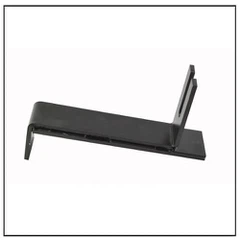


In the rapidly evolving field of precast concrete production, efficiency and precision are paramount. For decades, manual formwork clamps have been the preferred solution for securing molds and panels; however, in recent years, with increasing demand, automated production lines have become the choice for many precast concrete plants. Magnetic formwork systems have emerged to redefine how modern precast plants operate. Unlike traditional clamps, magnetic systems achieve instant fixation with superior holding force-requiring no bolts, welding, or wasted time.
Let's explore why an increasing number of precast component plants around the world are phasing out outdated clamps and adopting highly efficient, magnetically driven technology to realize the future of concrete production.
The Limitations of Traditional Formwork Clamps
Labor-intensive setup and removal
Each clamp must be manually positioned, tightened, and then disassembled-a process that consumes a significant amount of valuable time and increases reliance on skilled workers.
Inconsistent alignment and dimensional errors:
Even minor deviations in clamp pressure or position can lead to uneven formwork, resulting in inaccurate dimensions of concrete components. Over time, these minute deviations can impact overall quality control and customer satisfaction.
Worker safety risks:
Manually handling heavy steel clamps exposes workers to repetitive strain injuries, finger pinching, and other workplace hazards. These risks are further increased for large molds requiring multiple clamping points or complex geometries.
Slow turnaround and extended maintenance cycles:
Delays in installation and disassembly can create bottlenecks in the production cycle, reducing daily output and limiting the number of molds that can be reused each day.
Corrosion and maintenance issues:
Steel clamps are prone to rust and wear, especially in wet concrete environments. Frequent cleaning, lubrication, and replacement not only increase maintenance costs but also disrupt production schedules.
How Magnetic Systems Transform Precast Formwork
Magnetic formwork systems are revolutionizing precast component manufacturing operations, seamlessly integrating precision, efficiency, and safety. Compared to traditional clamp-based installation methods, magnetic systems streamline the production process, resulting in a cleaner and more efficient workflow.
Instant Positioning and Secure Fixing: High-performance magnets enable instant and reliable attachment to steel workbenches. With a simple press, workers can install or remove the magnetic system, significantly reducing installation time and minimizing human error.
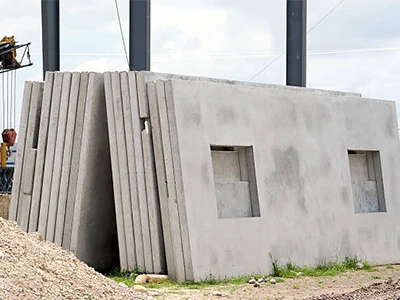
Wide Compatibility: Magnetic systems work seamlessly with a wide range of steel formwork and custom molds, making them highly adaptable to various precast component applications-from wall panels and beams to columns and foundations.
Streamlined Production Process: The rapid installation and removal of magnets accelerates production cycles and makes the process more predictable. This increased efficiency allows precast component manufacturers to increase output without compromising quality or safety standards.
Low Maintenance Costs and Long Service Life: Unlike traditional clamps that are prone to rust or deformation, magnetic systems feature a sealed design that is durable and corrosion-resistant. They require virtually no maintenance and maintain stable performance even after years of use. Easy to clean and demold. The smooth, compact design prevents concrete residue buildup. Workers can clean and reinstall the magnetic clamps in seconds, speeding up mold turnover and keeping the formwork surface clean.
Key Benefits of Switching to Magnet Systems
Increased Time Efficiency
The magnetic system enables instantaneous adsorption and release. Alignment and securing work that previously took hours can now be completed in minutes. Reduced installation time leads to faster mold turnaround and shorter production cycles-significantly beneficial for high-volume precast component plants.
Reduced Labor Intensity and Costs:
Traditional formwork clamps rely on manual operation, which is labor-intensive and requires high operational skills. Magnetic systems are easy to operate; workers can quickly install and dismantle formwork without specialized skills, reducing labor input and training costs. Furthermore, magnetic systems are reusable, eliminating the need for frequent replacements or repairs, thus reducing long-term equipment maintenance costs.
Improved Product Quality and Precision:
Magnetic systems provide a uniform and stable clamping force, ensuring the formwork remains accurately positioned during pouring, reducing dimensional deviations or surface defects caused by formwork displacement. For example, magnetic fixing devices effectively prevent embedded parts from shifting during vibration, improving the installation accuracy of components, especially suitable for precast components with high precision requirements (such as composite slabs and wall panels).
Protecting Molds and Equipment:
Traditional clamps can damage molds due to frequent disassembly, while magnetic systems eliminate the need for drilling or welding in the molds, avoiding damage and extending their lifespan. Moreover, the magnetic field generated by the magnetic system has no magnetizing effect on the equipment and will not interfere with sensors, reinforcing bars, or other components within the mold, ensuring the stability of the production process.
Adapting to the demands of automated production, magnetic systems are easily integrated into automated production lines. They enable rapid template switching and positioning via remote control, and work in conjunction with intelligent scheduling, robotic operation, and other technologies to further enhance production automation. For example, in a smart factory for precast components, magnetic edge molds can be used in conjunction with automatic demolding and flipping systems, robotic material placement, and other equipment to achieve fully automated production.
Case Study - A Precast Plant's Transition to Magnetic Systems
In the highly competitive precast concrete industry, efficiency and quality determine a company's success or failure. Our Singaporean client utilizes an automated magnetic production line, employing robotic arms for production. The installation process is simple and quick, and employees adapted to the new workflow rapidly. The system's instant suction eliminates alignment issues, while the rapid release mechanism significantly reduces installation and disassembly time.
1. Production cycle time is reduced by 40%, meaning more panels can be completed in the same amount of time.
2. Labor costs are reduced by 25% due to a decrease in the number of workers required to operate the formwork.
Surface quality is improved, with perfectly aligned panels and fewer defects.

How to Choose the Right Magnet System for Your Plant
Choosing the ideal magnetic system is crucial for improving efficiency and ensuring safety in a precast component plant. The following key factors should guide your selection:
Attraction: Ensure the magnets firmly hold the formwork and withstand the pressure of concrete without slipping.
Size and Shape: The magnet dimensions should match the panel thickness and mold design for optimal contact and stability.
Temperature Resistance: Consider magnets that can withstand the heat generated during concrete curing or adapt to different climatic conditions.
Ease of Demolding: Choose a system with a quick demolding mechanism to accelerate demolding and reduce labor costs.
A wise approach is to choose a magnetic system compatible with your existing molds. This avoids costly retrofitting and allows for seamless integration with your workflow.
Common examples include:
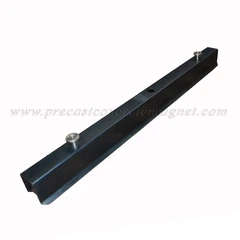
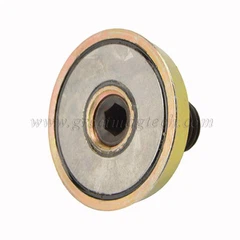
Formwork Magnets: Ideal for securing large panels to steel molds.
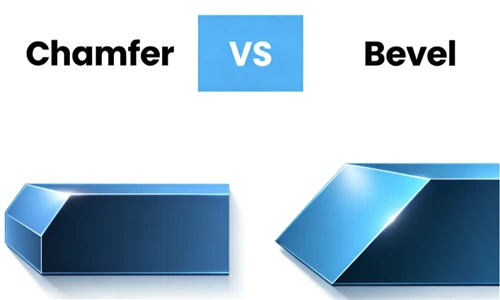
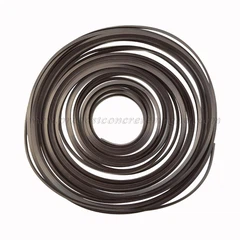
Magnetic Chamfer Strips: Ideal for edge shaping while maintaining panel precision.
Embedded Magnet: Designed for embedded components or custom mold applications.
FAQ
Q: How strong is the attraction of the precast magnetic system?
A: Precast magnetic systems provide reliable attraction, typically ranging from 500 kg to over 1800 kg per unit, depending on size and design. They are carefully designed to withstand the pressure of fresh concrete and ensure precise alignment of the formwork.
Q: Is it safe to use a magnetic formwork system near steel molds?
A: Yes! These systems are specifically designed for steel molds. The magnets provide a strong hold without damaging the mold, and their design ensures even distribution of attraction, preventing deformation.
Q: Can I retrofit the magnets into my existing formwork system?
A: Absolutely. Many magnetic systems are compatible with existing molds. Retrofits usually require only minor adjustments and can significantly improve efficiency without replacing major equipment.
Q: What are the maintenance requirements for precast magnets?
A: Magnetic systems have low maintenance costs. Regular cleaning to remove concrete residue and occasional checks for surface wear or corrosion ensure long-term performance and safety.
Q: Are magnetic formwork systems suitable for all types of concrete?
A: Magnetic formwork is suitable for most concrete mixtures, including high-strength concrete, lightweight concrete, and precast concrete. However, for concrete mixtures with very coarse particles or high fiber content, careful placement may be necessary to ensure uniform contact and secure fixation.