





Precast concrete is a very practical material for construction projects of all sizes. The practice of transporting prefabricated concrete building materials to a project and assembling them there originated with the Roman aqueducts. It has made it possible to complete massive projects with much less stress and greater control.
Compared to conventional on-site concrete construction, precast concrete construction techniques have some benefits. Precast concrete is widely used in the construction industry for various applications such as buildings, bridges, roads, tunnels, and infrastructure. More control over the concrete's quality is possible during manufacturing, producing a more reliable end product. In addition to being more resilient to weather and wear, precast components satisfy particular safety standards, such as hurricane or seismic resistance.
In this article, we will provide an overview of precast concrete construction and its many techniques.
What Is Precast Concrete?
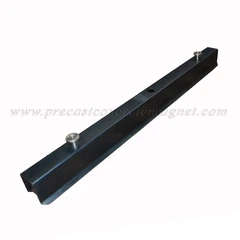
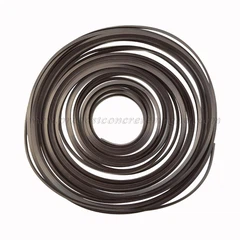
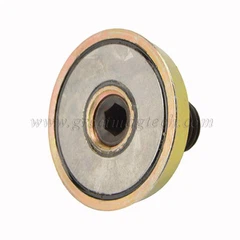
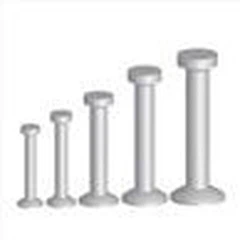
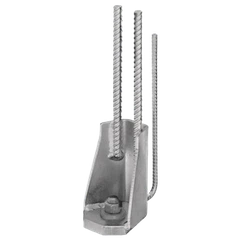
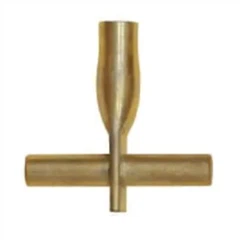
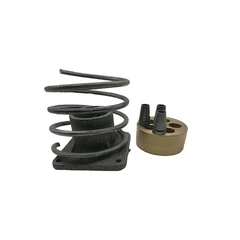
Precast concrete is a building material that is produced off-site. The components are carefully crafted in controlled settings, such as precast concrete plants. Companies like Great Magtech (Xiamen) Electric Co., Ltd. specialize in providing essential products for this process, including advanced shuttering magnets and lifting clutches. These tools play a vital role in ensuring the efficient assembly and transportation of precast elements. This makes the construction process more streamlined and cost-effective.

History of the Precast Concrete Industry
Since the vast system of subterranean tunnels that still exist today appears to suggest using precast building materials, many people believe the precast concrete industry started in ancient Rome.
Nonetheless, the contemporary precast concrete industry's documented history started in the 1900s when an English engineer named John Alexander Brodie found that precast concrete components could be combined to construct a structure effectively. Brodie was the first to receive a patent for the method of building with precast concrete panels.
The Walnut Lane Memorial Bridge in Philadelphia, which debuted in 1950, was the first significant precast concrete building in the United States. Many people believe that this bridge marked the start of the precast concrete industry in the US as it exists today. The Precast Concrete Institute was established a few years later to start establishing guidelines for this new sector.
Different Methods of Precast Concrete
The following are typical techniques for developing components that satisfy certain needs for various projects:
Wet-cast Method
The most popular technique for precasting concrete is the wet-cast process. This technique makes a mold to fit the required size and shape of the concrete element. After that, wet concrete is poured into the mold and vibrated to eliminate any air pockets and ensure adequate compaction. To guarantee appropriate strength growth, the product is cured in a controlled atmosphere once the concrete has set and the mold is removed.
Dry-cast Technique
The dry-cast method, sometimes referred to as zero-slump concrete, involves compacting the concrete without using water or external vibration. Large, intricate objects like hollow-core slabs and concrete pipelines are mostly produced with this technique. Dry-cast concrete is appropriate for heavy-duty applications because it is denser and more resilient than wet-cast concrete.
Prestressed Concrete
Before the concrete is poured, high-strength steel cables called tendons are inserted within the mold using the precast prestressed concrete method. The tensioned tendons then compress the concrete, increasing its strength and longevity. Large, robust parts for bridges and other infrastructure projects, such as beams and columns, are made using this technique.
Autoclaved Aerated Concrete
The Autoclaved Aerated Concrete (AAC) process of precast concrete uses cement, lime, sand, water, and a foaming agent. After being placed into a mold, the mixture is autoclaved to cure it and produce a lightweight, cellular material with superior insulating qualities. AAC is frequently used for wall and floor panels in residential and commercial structures.
Vacuum Concrete Technique
The concrete mix is put into a mold, sealed, and attached to a vacuum pump using the vacuum concrete method. By removing air from the concrete, the pump produces a vacuum that enables the concrete to reach its maximum density and compaction. This process is well-suited for producing precast concrete goods that require exceptional strength and durability, such as bridge components and railroad sleepers.
| Method | Description | Best for |
| Wet-cast | Concrete is poured into molds and vibrated to eliminate air pockets. | Smaller, more intricate shapes and components. |
| Dry-cast | Zero-slump concrete is compacted without water. | Heavy-duty, large components like pipes and hollow-core slabs. |
| Prestressed Concrete | Steel tendons are tensioned before concrete is poured. | Large, high-strength elements like beams. |
| Autoclaved Aerated Concrete (AAC) | Lightweight concrete made with a foaming agent. | Walls and floor panels for insulation. |
Benefits of Precast Concrete

Precast concrete gives engineers more freedom in planning and design for both residential and commercial projects. Completely designed and prepared for quick installation, precast concrete items are delivered to the job site. By selecting precast concrete goods, you can expedite the timeline of your project and take advantage of the cost advantages associated with off-site precast concrete products.
However, the advantages go beyond workflow and convenience; they also include sustainability, control, efficiency, and versatility, all of which combine to produce an excellent precast concrete product. Here are some more details about how precast concrete affects each of these categories.
Adaptability
The versatility of precast concrete products is one of the primary advantages of this method of concrete building, which we have already briefly discussed. One of the main reasons precast concrete is used in so many different sectors and applications is that it can be shaped to incorporate the colors, textures, and sizes you desire. The reverse is true, despite the belief held by some that precast concrete lacks adaptability.
Regulated Setting
Because precast concrete is produced in a completely controlled setting, there is no possibility that external factors, such as the weather, will affect the final product's quality or production schedule.
To guarantee that all precast concrete products are constantly cured under perfect conditions, you have total control over the climate. As weather delays for on-site pouring become a thing of the past, you can also be sure that manufacturing of these precast concrete components will be completed on schedule because you have access to these perfect circumstances.
Effectiveness
The controlled industrial environment leads to efficiency. The entire construction process is accelerated when precast concrete can be produced year-round in a facility. All of a sudden, you don't have to worry about planning when to pour concrete on-site, which could cause your project to be delayed due to bad weather.
Instead, the procedure is now so effective that precast components can even be manufactured ahead of time and stored until they are needed on-site. Because assembly line methods involve less work and alleviate the strain of managing logistics and specialized labor on-site, they also save you time and money.
Sustainability
The production of precast concrete is a sustainable technique. Precast concrete is actually used by a lot of developers of sustainable buildings to obtain LEED certification. Precast concrete is quite sustainable in many ways; it consists of natural aggregates such as rock, sand, gravel, and water, and it usually uses recycled water in the process. Then, the thermal mass of precast concrete means savings in energy used over the long term with respect to the absorption and subsequent release of heat.
Moreover, it reduces waste due to the precision in the production process: bracing, formwork, excess concrete, packaging, and job-site debris all have a significantly lower impact in a factory setting. The benefit of precast construction is that it does not cast material on site but entails casting part of these materials before being fitted in a building. Thus, less raw material is accumulated in landfills at the end of the structure's life cycle, hence sustainability. And finally, it provides factory conditions that are safer, cleaner, quieter, and healthier for employees.
Materials Used In Precast Concrete
Though they are carefully chosen and managed to provide excellent quality and consistency, the materials used in the precast concrete industry are comparable to those used in conventional cast-in-place concrete. Precast concrete's primary constituents are as follows:
Cement: Cement is a binding agent that creates a solid matrix when it combines with water. The most popular kind of cement for precast concrete is Portland cement.
Aggregates: Sand and other fine aggregates give concrete a smooth texture and aid in filling spaces left by bigger particles. Crushed stone or gravel are examples of coarse aggregates that strengthen concrete and lessen shrinkage.
Water: Water is essential for the cement's hydration, which causes the concrete mix to solidify.
Admixtures: Plasticizers increase the concrete mix's workability, which facilitates handling and placement. Concrete retarders slow down the concrete's setting time, which is advantageous for casting and shipping procedures. Accelerators shorten the setting time, which is advantageous in cold climates.
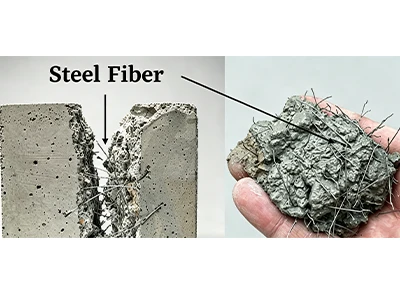
Reinforcement: Steel bars or mesh are frequently added to improve precast concrete pieces' structural integrity and resistance to tension pressures.
The ratios of various components in the concrete mix are meticulously regulated to obtain the required strength, durability, and other qualities. A crucial component of the creation of precast concrete is the mix design, which is modified according to the concrete's intended use, the surrounding environment, and the demands of the particular project.
The Process of Precast Concrete Construction

Step 1: Mold Preparation
Mold preparation is the foundation of high-quality precast concrete components. The molds, typically made of steel or fiberglass, must be cleaned thoroughly and coated with a release agent to ensure smooth demolding. Accurate mold dimensions and proper alignment are essential for producing precise, defect-free precast elements. Some modern factories also use reusable magnetic formwork systems to enhance stability and reduce labor.
Step 2: Reinforcement and Placement
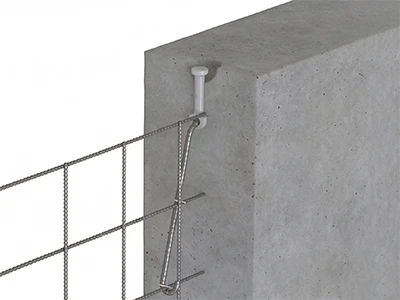
After mold preparation, steel reinforcement or rebar is placed according to the structural design. Reinforcement ensures that the precast element can withstand the required loads. Positioning should be precise, and spacers or magnets can help secure the rebar to prevent movement during concrete pouring. Proper placement guarantees structural integrity and safety.
Step 3: Concrete Casting
High-quality concrete is poured into the prepared mold and vibrated to remove air bubbles, ensuring dense, uniform material. The concrete mix should meet design specifications for strength, workability, and durability. Factory-controlled casting provides better consistency compared to on-site pouring.
Step 4: Curing and Demolding
After casting, precast elements are cured under controlled temperature and humidity to achieve optimal strength. Once cured, the components are carefully removed from the molds. Proper curing and careful demolding prevent cracks and surface defects.
Step 5: Finishing and Inspection
After demolding, the surfaces are polished or treated to remove minor imperfections. Each precast element is inspected for dimensions, structural integrity, and surface quality. Only components meeting strict quality standards are approved for delivery.
Safety and Environmental Considerations
During production, workers should wear protective equipment, handle molds carefully, and follow safety guidelines to prevent accidents. Environmentally, factory production reduces waste, optimizes material use, and lowers carbon emissions. Using reusable magnetic formwork further supports eco-friendly practices.
Conclusion
In the precast concrete line, Great Magtech (Xiamen) Electric Co., Ltd. is a great contender. With over 15 years of experience, they are a trusted supplier to those seeking high-quality precast concrete accessories. Their products, including shuttering magnets, lifting clutches, and rebar tying machines, are specified to meet the severe demands of the construction industry.
Furthermore, they strictly comply with quality management systems such as TS16949 and 6S. This guarantees high-detail craftsmanship for every single item, ensuring dependable operation through the precast concrete production process.