





Produced by casting concrete in a reusable mold or form, prefab concrete is a building component. Precast concrete is produced in a controlled manufacturing environment unlike traditional cast-in-situ concrete, which is poured and cured on-site. The concrete parts are carried to the building site and put together into construction once cured.
Among the various benefits this type of building provides include faster building times, better quality control, and less on-site personnel. From floor and wall building to bridges, tunnels, and even decorative accents, precast concrete finds usage in many different fields. Its simplicity and adaptability have made it a pillar of current building methods.
Precast concrete first became employed in ancient Rome, when aqueducts and other facilities were built using it. But pushed by developments in concrete technology and the need for quicker, more effective building techniques, the contemporary precast concrete sector started to take shape in the early 20th century. Precast concrete is a worldwide sector today thanks to ongoing developments enhancing its uses and performance.
Variations of Precast Concrete
Precast concrete comes in numerous forms, each fit for a different use:
1. Architectural Precast Concrete: Applied for ornamental elements, cladding, and facade construction, architectural prefabricated concrete is Customized with different finishes, textures, and colors allowing one to express themselves.
2. Structural Precast Concrete: Designed for load-bearing uses like beams, columns, and slabs, structural precast concrete is Its design is meant to yield the highest durability and strength.
3. Insulated Precast Concrete: Perfect for energy-efficient buildings, insulated precast concrete combines insulating elements within the concrete panels.
4. Tilt-Up Precast Concrete: Large cast-horizontal prefab concrete tilt-up panels are then angled into position. Most often utilized in industrial buildings and warehouses.
Precast Concrete Made

Precast concrete is produced in several important processes, each of which adds to the dependability, strength, and consistency of the material:
1. Design and Engineering: Engineers and designers draft thorough precast element plans before manufacturing starts. This covers figuring out the size, form, needed reinforcement, and load-bearing capacity. In the design stage, advanced software is sometimes utilized to guarantee accuracy and correctness. By use of Building Information Modeling (BIM), all stakeholders may coordinate and visualize better.
2. Reusable molds: These molds are often composed of steel, wood, or plastic and are manufactured in line with design criteria. These forms are meant to be exact and constant, therefore guaranteeing homogeneity among all the precast components. Usually coated with release chemicals, the molds help to easily remove the hardened concrete.
3. Reinforcement Placement: Steel reinforcing bars (rebar) or mesh are placed inside the molds to provide strength and durability. Prestressed concrete may also be used for additional strength.
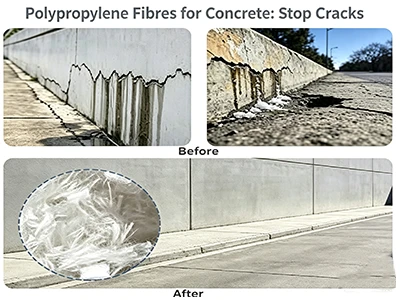
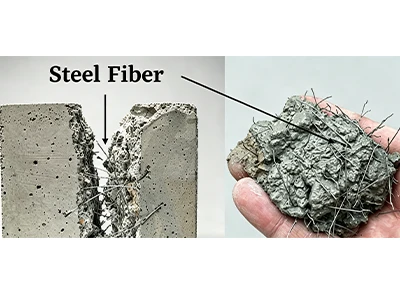
4. Concrete Pouring: Premium concrete is poured into the molds. Careful control of the composition guarantees consistency, strength, and workability. Additives to improve sustainability or performance could be fly ash or slag. To enhance particular characteristics, such as crack resistance or fire resistance, the concrete mix could also call for fibers or other elements.
5. Curing: The concrete is left to cure under control, guaranteeing the best strength and durability. Steam or heat can speed up curing, therefore lowering production time and preserving great quality even in a limited time. Prevention of cracking and guarantee of the concrete reaching its full strength potential depend on proper curing.
6. Finishing: Precast elements may undergo further finishing operations like sandblasting, polishing, or application of protective coatings following curing. These treatments help the concrete look and perform better.
7. Quality Control: Before being delivered to the building site, every prefabrication component passes thorough quality control inspections. Testing for strength, durability, and dimensional accuracy could all fall under this. Any flaws are found and fixed before the elements are allowed to be used.
8. Transportation and Installation: Once cured and completed, the precast pieces are delivered to the building site where they are assembled using cranes and other machinery into the ultimate structure. This mechanism reduces disturbance and on-site building time. The structural integrity of the ultimate assembly depends critically on correct handling and installation methods.
Precast Concrete's Advantages
There are many benefits of prefab concrete above conventional building techniques. These are some main advantages:
1. Quality Control: Precast concrete is created in an industrial environment, hence rigorous quality control procedures apply. This guarantees long-term success by producing consistently excellent items with fewer flaws. The controlled environment lets one precisely monitor the curing conditions, concrete mix, and finishing techniques.
2. Faster Construction: Precast elements can be produced while site preparation isinr progress, therefore drastically lowering the building time. Faster than conventional techniques, on-site assembly also lets projects be finished ahead of schedule. Projects with strict deadlines or those needing quick deployment-such as emergency housing or disaster relief projects-benefit especially from this.
3. Durability: Precast concrete is quite resistant to corrosion, fire, and weather as well as to other elements. For buildings like bridges, tunnels, and industrial facilities that must resist demanding environments, this makes it perfect. Its lifetime lowers the need for regular maintenance and repairs, therefore lowering the lifetime expenses.
4. Cost-Effectiveness: Though precast concrete's initial cost could be costlier, over time the savings in labor, time, and upkeep usually make it a more affordable option. Its longevity lessens the need for regular replacements or repairs as well. Furthermore, off-site prefabrication of parts might result in major savings in on-site labor and equipment expenses.
5. Sustainability: Precast concrete presents a green choice. Made from recycled materials, it is durable and less often requires repairs or replacements. The controlled production process also reduces energy use and waste. Using additional cementitious materials (SCMs), such as fly ash and slag, helps precast concrete's carbon footprint to be further lowered.
6. Versatility: From structural elements to ornamental accents, precast concrete is fit for a broad spectrum of uses since it can be shaped into practically any form or size. Customizing it with various finishes, textures, and colors helps to satisfy aesthetic needs as well. This adaptability helps designers and builders to produce original and creative ideas.
7. Safety: Using a factory-controlled environment, on-site building lowers the hazards related to accidents and weather-related delays. For personnel as well as project schedules, precast concrete is therefore a safer choice. The less demand for on-site labor also lessens the risk of dangerous circumstances.
8. Thermal and Acoustic Insulation: Precast concrete is perfect for structures that call for energy economy and noise reduction since it can be made to offer outstanding thermal and acoustic insulation. By greatly lowering heating and cooling costs, insulated precast panels help the building to be generally sustainable.
9. Fire Resistance: Precast concrete is naturally fire-resistant, hence it is a safe material for constructions and buildings needing great degrees of fire protection. It does not burn, and its thermal bulk can aid in delaying the spread of fire, therefore giving more time for efforts at evacuation and firefighting.
10. Seismic Resistance: Precast concrete buildings fit for use in places prone to earthquakes since they may be built to resist seismic stresses. Flexible connections and prestressed concrete help precast elements to improve their seismic performance, therefore guaranteeing the stability and safety of the construction during an earthquake.
Precast Concrete Applications

Precast concrete is widely used across numerous industries due to its strength, durability, and efficiency in construction. In building construction, it plays a crucial role in forming structural elements such as columns, beams, walls, floors, and staircases, making it ideal for residential, commercial, and industrial projects. Architectural applications also benefit from precast concrete, as it allows for the creation of facades, cladding panels, and decorative elements with various textures, colors, and finishes, enhancing aesthetic appeal while maintaining structural integrity. Additionally, precast concrete is a key component in infrastructure development, being used in bridges, culverts, tunnels, railway sleepers, and underground structures to ensure long-lasting, reliable solutions. The transportation sector utilizes precast elements in parking structures, bus stations, and airport terminals, taking advantage of its ability to withstand heavy loads and harsh environmental conditions. In the water management industry, precast concrete is used for water supply and wastewater treatment facilities, including tanks, drainage systems, and treatment plants, due to its resistance to corrosion and chemicals. Industrial applications further capitalize on its benefits for constructing warehouses, factories, and distribution centers, providing cost-effective and fire-resistant enclosures. With its adaptability, precast concrete continues to shape modern construction, offering sustainable and efficient building solutions across various sectors.
Essential Components and Accessories in Precast Concrete Construction
To enhance the efficiency of precast concrete projects, various specialized accessories and tools are used, including:
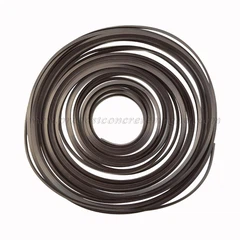
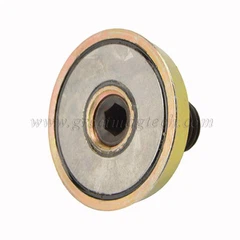
Magnetic Formwork – Enables easy adjustment of molds without requiring traditional fasteners, reducing setup time.
Insert Magnet – Used for embedding metal inserts into concrete without shifting during the curing process.
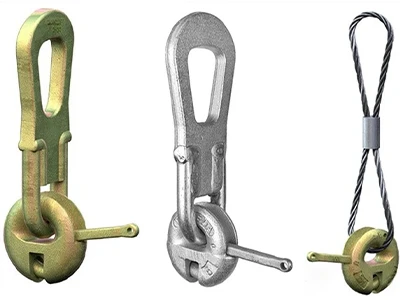
Lifting System for Precast Concrete Units – Ensures safe handling and transportation of heavy precast components.
Connection System for Precast Concrete Units – Allows seamless assembly of multiple precast elements on-site.
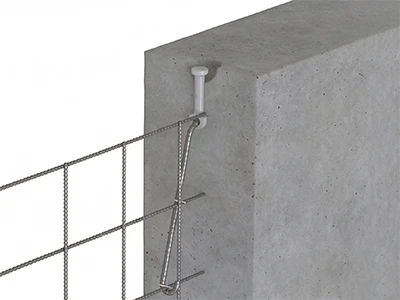
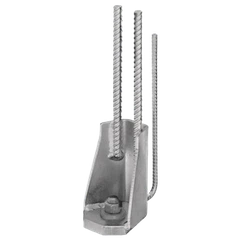
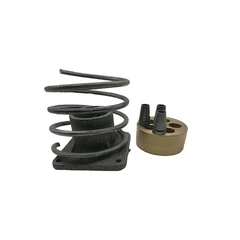
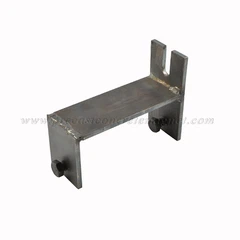
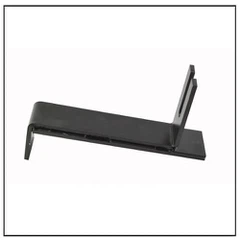
Fixing System for Precast Concrete Units – Provides stability and alignment during installation.
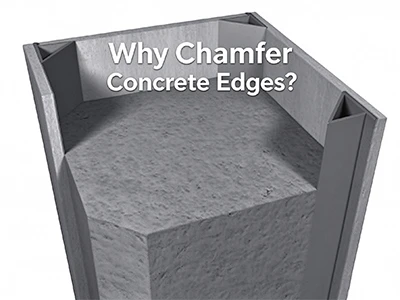
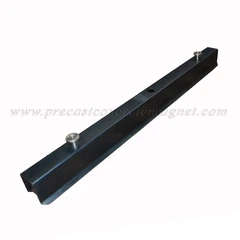
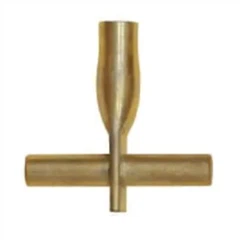
Magnetic Recess Former – Helps create indentations for embedment and connections in precast components.
Useful Guideline for Handling Precast Concrete:
Here are some tips for successfully incorporating precast concrete into your projects:
1. Plan: Coordinate closely with your supplier to align design, manufacturing, and delivery schedules.
2. Choose the Right Supplier: Select a supplier with experience, quality certifications, and a proven track record.
3. Consider Transportation and Installation: Ensure you have the necessary equipment and space for handling large, heavy precast elements.
4. Focus on Joints and Connections: Properly designed joints are critical for structural integrity.
5. Regular Maintenance: Inspect and maintain precast concrete to extend its lifespan.
6. Leverage Technology: Use tools like BIM to streamline design and construction.
7. Explore Sustainable Options: Consider recycled materials and energy-efficient manufacturing processes.
8. Collaborate Early: Involve architects, engineers, and suppliers early in the design process.
9. Monitor Weather Conditions: Plan for weather-related challenges during transportation and installation.
10. Train Your Team: Ensure your construction team is skilled in handling and installing precast elements.
11. Aesthetic Considerations: Choose finishes that meet both functional and aesthetic requirements.
12. Plan for Future Changes: Design for flexibility to accommodate future modifications.
13. Handle with Care: Use proper lifting equipment and storage methods to prevent damage.
14. Evaluate Lifecycle Costs: Consider long-term savings in maintenance and durability.
15. Engage Stakeholders: Ensure all parties are aligned on project goals and requirements.
Why Precast Concrete Will Shape Future Construction
Precast concrete is becoming more and more popular for various projects as the building sector develops. Builders and developers would be wise to invest in it given its mix of sustainability, speed, durability, and quality. Precast concrete provides a dependable and quick answer whether you're building a wastewater treatment facility, a bridge, or a high-rise structure.
Precast concrete's appeal is even more enhanced by the increasing focus on sustainable building methods. Its capacity to cut waste, use recycled materials, and lessen energy use fits world initiatives toward better infrastructure. Furthermore promoting the acceptance of precast concrete throughout the sector are the development of modular building and off-site manufacture.
1. Technological Advancements: Innovations like self-healing concrete, 3D printing, and IoT-enabled sensors are enhancing precast concrete's performance and applications.
2. Global Trends: Urbanization, government infrastructure investments, and the push for sustainable construction are driving demand for precast concrete.
3. Modular Construction: The rise of modular building methods is further boosting the use of precast concrete.
Conclusion
More than merely a building material, prefab concrete transforms the construction sector. Understanding its advantages, uses, and best practices will help you to make wise choices for your projects and maximize this creative technology. Precast concrete provides countless opportunities for building robust, durable, and sustainable buildings regardless of experience level in the building industry.
Get in touch with a reliable source now if you are ready to investigate how precast concrete might help your next project. With proper design and knowledge, you may maximize this amazing resource and help shape the building going forward.