

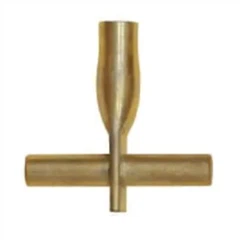

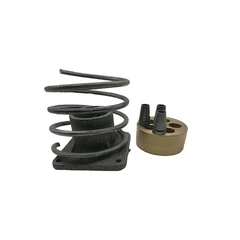

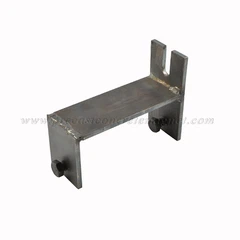
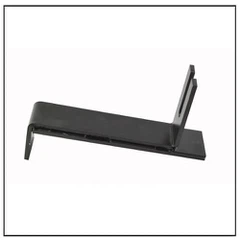


Precast concrete has become a new hot topic in the construction industry. This building material has become the talk of the town in Europe, America, and the Middle East. In this article, you will learn how shuttering magnets are an integral accessory in precast concrete systems. Dive in to learn about what they are and how to use them to make sturdy buildings!
What is a Shuttering Magnet?
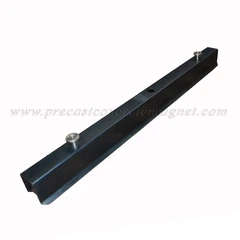
In the precast concrete industry, a shuttering magnet is a lifesaver. They have completely revolutionized the construction as they provide excellent support and sturdiness to the side rails and blocks when concrete is being poured. It is like creating a quick setup where the panels or beams stay in place, and you can pour the concrete without distorting their form and shape.
How Does a Shuttering Magnet Work?
The shuttering magnet uses a powerful neodymium magnet to securely fix formwork to a steel casting table during precast concrete production. Once activated, the magnetic force creates a strong connection between the magnet and the steel surface, keeping the formwork firmly in place during concrete pouring and vibration.
Magnetic Holding Principle
High-performance neodymium magnets generate a strong holding force.
The magnetic force is transferred through the steel housing to the casting table.
This prevents formwork movement and helps maintain dimensional accuracy.
Main Components of a Shuttering Magnet

Neodymium Magnet Core
The neodymium magnet core is the main source of magnetic force. It generates the strong holding power needed to secure formwork to the steel casting table.
Steel Housing
The steel housing protects the magnetic core from damage and helps direct the magnetic force efficiently toward the steel surface.
Push Button System
The push button activates the magnetic circuit, allowing the magnet to lock firmly onto the casting table with minimal effort.
Spring and Release Mechanism
The spring and release mechanism make it easy to disengage the magnet after use, enabling quick repositioning and removal.
Adapter or Formwork Connection
Adapters or side brackets connect the shuttering magnet to the formwork, ensuring stable and accurate positioning during concrete casting.
Types of Shuttering Magnets
Shuttering magnets are available in different designs to meet various precast concrete production requirements. The choice depends on the formwork system, panel size, and required holding force.
Standard Shuttering Magnets
Standard shuttering magnets are the most widely used type in precast factories. They are available in various holding forces, typically ranging from 450 kg to 3000 kg, making them suitable for wall panels, slabs, beams, and other precast elements.
Customized Shuttering Magnets
Customized shuttering magnets are designed to meet specific project requirements, including unique formwork dimensions, special holding force requirements, or customized fixing methods. They are often used in complex or specialized precast production applications.

Shuttering Magnet with Steps

2100KG Shuttering Magnetic
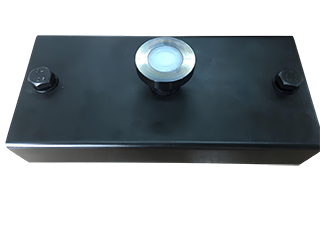
3000kg shuttering magnet

New design-Shuttering magnet

MagFly Fixture Shuttering Magnet

PLE shuttering Magnetic
Shuttering Magnet vs Traditional Bolting Systems
| Comparison Item | Shuttering Magnet | Traditional Bolting System |
| Installation Speed | Fast setup and easy adjustment | Slower installation with more manual work |
| Fixing Method | Uses magnetic force to secure formwork | Uses bolts, holes, or mechanical fasteners |
| Table Protection | No drilling or welding, minimizing table damage | Drilling and welding may damage the casting table over time |
| Flexibility | Easy to reposition for different mold layouts | Less flexible once fixing points are established |
| Labor Requirement | Lower labor requirement and shorter setup time | Higher labor requirements during installation and removal |
| Positioning Accuracy | Provides stable and accurate formwork positioning | Accuracy depends on manual alignment |
| Reusability | Highly reusable across multiple production cycles | Reusable, but bolts and fixing points may wear over time |
| Maintenance | Simple cleaning and regular inspection | Requires inspection of bolts and fixing points |
| Production Efficiency | Improves production efficiency and mold changeover speed | Lower efficiency for frequent mold changes |
| Best Applications | Modern precast concrete production with steel casting tables | Fixed formwork layouts or low-volume production |
Why Choose Shuttering Magnets?
Fast Installation and Disassembly: Significantly reduces installation time compared to welding or mechanical clamps, resulting in shorter pouring cycles.
Precise Alignment: Magnets maintain precise formwork position, ensuring consistent panel dimensions and a high-quality finish.
Enhanced Safety: Minimizes manual labor and eliminates hot welding, reducing workplace injuries.
Labor Savings: Reduces the number of workers on site, lowering labor costs without compromising quality.
Versatility: Adapts to a variety of shapes, including wall panels, beams, and slabs, making it suitable for multiple projects.
Durability and Reusability: High-quality neodymium magnets maintain their strength after repeated use, resulting in long-term cost benefits.
Reduced Material Damage: No bolt or weld marks, preserving the integrity of the concrete surface.
Advantages of Shuttering Magnets
Shuttering magnets have become the talk of the town due to their many advantages. They are super easy and beginner-friendly, making them an ideal choice for all construction workers. They show high-quality performance with enhanced accuracy and precision. In addition to that, the surface of the template remains intact and shiny as there is no external force making holes.
1. Easy installation – One can easily place the shuttering magnet at a specific place without the need for any advanced tools.
2. Precise alignment – The magnets are compactly attached to the plate that holds the formwork in place, making sure the elements produced are precise and accurate.
3. Reduced labor costs – As it comes with an easy installation feature, no extra personnel are required to install the magnet and start the process.
4. Improved safety – Construction sites are super risky. With the use of shuttering magnets, no trips and falls happen, reducing injury and hazard risk.
5. Reduced waste – When shuttering magnets are used, they reduce the amount of a long list of materials used on a construction site. This eventually reduces the waste output and also saves money.

Who Benefits from Shuttering Magnets?
The construction industry is huge, and shuttering magnets have completely transformed the precast concrete components. These are some of the few plants that benefit from the magnets:
1. Industries that require small slits or windows need shuttering magnets to fix their formworks for high precision.
2. Companies that produce specific types of elements with different shapes require shuttering magnets with unique properties to support their formworks.
3. Plants that produce elements like floor slabs or double walls require strong shuttering magnets to run their production systems with ease.
How to Use a Shuttering Magnet
Prepare the Surface: Clean both the mold and magnet base to remove dust, debris, or rust, ensuring full magnetic contact.
Select the Right Magnet: Choose the appropriate type (box, round, U-shape, side-fixing) based on the panel size and geometry.
Position the Magnet: Place it at the desired location on the steel formwork. Ensure full contact for maximum holding force.
Activate the Magnet: Engage the lever or button to magnetize the unit securely. Confirm it is firmly fixed before pouring concrete.
Pour Concrete Carefully: With the magnet holding the formwork, proceed with casting, maintaining standard safety protocols.
Demolding & Removal: Once cured, disengage the magnet using a lever or pull tool, preserving both the magnet and the mold.
Maintenance Check: Inspect for debris, scratches, or damage; clean and store properly to prolong lifespan.

How To Maintain Precast Shuttering Magnets?
Shuttering magnets are one of the important tools in the precast shuttering of elements. To keep enjoying their benefits, it is also crucial to take care of them. These maintenance tips and techniques will not only help you get a smooth and firm concrete pour but also allow you to use these magnets for a long amount of time without affecting their quality and performance.
Pre-use Inspection And Cleaning
It is important to check the shuttering magnets before use to ensure they are in optimal condition. Before starting the pour, follow these inspection steps to avoid any hindrances.
Look for any visible damage to the box or the magnets. It might be dirt, rust, or any cracks. A damaged shuttering magnet will not work efficiently, affecting the performance and quality.
Make sure you test the adhesive force of the magnet by clamping it onto a steel plate. If you find the force to be weak, it is important to repair the magnet before precast concrete pouring.
The most crucial step is to clean the surface of the magnet as well as the template. Minor dust particles may cause hindrance and affect the grip of the magnetic array.
Precautions During Use
If you are not using your shuttering magnets correctly, there is a high chance their longevity might be affected. Make sure you follow these tips to ensure good performance and service.
Make sure your magnet is in the correct position before starting the pour as continuous movement can affect the quality of the element produced.
The normal temperature for a neodymium magnet must remain below 80 degrees Celsius. Higher temperatures tend to affect the magnetic holding capacity. In case you want to work at high temperatures, make sure you opt for specifically designed shuttering magnets.
Overloading can weaken the magnetic strength so make sure to distribute the weight evenly.
Maintenance After Use
Once you are done with your concrete pour, keeping the shuttering magnet properly and safely is highly important. To ensure hassle-free future use, follow these steps after you are done.
Always keep your magnet and the magnetic box clean and free of any debris. Keep the magnetic box dry to avoid rust and corrosion.
Once you are done using the shuttering magnets, check for any damage or wear and tear. This will allow you to keep a maintenance check and get repairs done instantly.
Keep the shuttering magnets in a cool and dry place. Regular checks and balances of the equipment give your tool a longer service life and good performance.
How to Choose the Right Shuttering Magnet
Choosing the right shuttering magnet is essential for achieving safe and efficient precast concrete production.
Consider the Formwork Size and Weight
The size and weight of the formwork are key factors when selecting a shuttering magnet.
Small molds and thin wall panels typically require lower holding forces.
Large panels and heavy formwork systems require stronger magnets to ensure stability during concrete pouring and vibration.
Evaluate Concrete Pressure
Fresh concrete exerts lateral pressure on the formwork during casting.
Higher wall panels and thicker concrete sections generate greater pressure.
Magnets should provide sufficient holding force to resist this pressure and prevent movement.
Match the Holding Force to the Application
| Holding Force | Typical Application |
|---|---|
| 450–600 kg | Small precast elements and thin panels |
| 900 kg | Standard wall panel production |
| 1350 kg | Medium to large precast molds |
| 1800–300 kg | Heavy-duty formwork and large concrete components |
Consider Production Efficiency
For factories with frequent mold changes, magnets with easy-release mechanisms can significantly improve productivity and reduce setup time.
Check Casting Table Conditions
Shuttering magnets perform best on clean, flat steel casting tables. Maintaining a clean contact surface helps maximize magnetic force and ensures reliable operation.
Conclusion
A shuttering magnet might look like a small tool, but it has the power to revolutionize the whole concrete setup. This small accessory ensures your formworks are sturdy and smooth. It is important to choose the right shuttering magnet according to the type of block you want to produce. This will produce a flawless building element with smooth curves and sides.
It does not matter whether you are working on a straight wall or a curved beam; you can always find a specifically designed shuttering magnet that will make your constructed item shine like gold. The best part about them is that there is no need to use horrifying tools to weld or clamp the tool in. Just put them in the correct position and wait for these small magnets to do their magic!