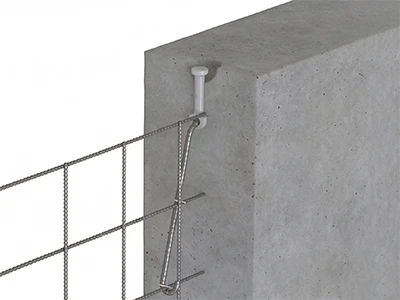
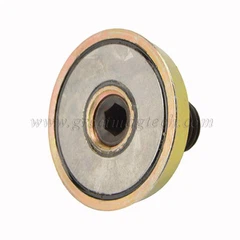
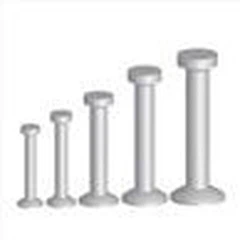


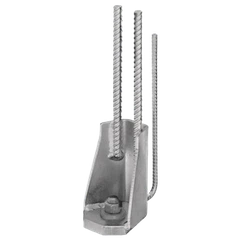
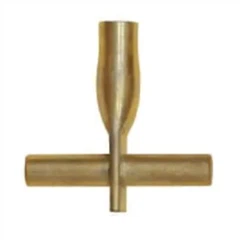
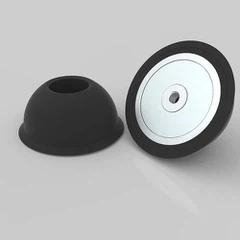
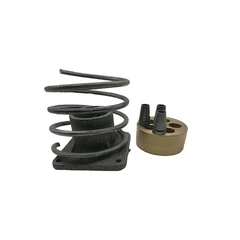

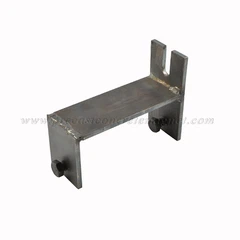
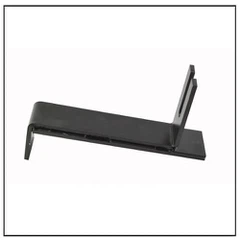


Precast lifting sockets are essential because precasting units are picked up and relocated daily on a job site. An industry standard exists relative to precast concrete. A lifting socket is what a contractor uses to engage in the insertion, manoeuvrability, and de-moulding of precast pieces. Therefore, lifting sockets for precast are required on the job site to establish a safe, reliable, and efficient mechanism for lifting and moving such heavy material. In addition, it is one of the most used systems because it is inexpensive and small enough to be used in various circumstances.
Lifting sockets are cast into precast concrete elements, creating a safe, secure lifting attachment. They are function-specific and more straightforward to assemble, move, and set in place. Various concrete lifting sockets are on the market, each used for a specific function. This blog explores the benefits of using a particular socket for lifting, the different types, and how to select a lifting socket.

The Importance of a Good Lifting Socket
Listed below are some reasons as to why choosing a suitable lifting socket for precast concrete transportation is essential:
Enhancing Load Bearing Capacity
Worrying about moving the precast concrete elements is unnecessary because a substantial quality lifting socket exists designed to handle an inordinate amount of stress. The socket does not fail. It does not split or come apart, and its material characteristics do not allow it to bend, break, or loosen. This is essential for industrial-level projects that regularly relocate such heavy pieces.
Ensuring Safety When Lifting
Safety is of the utmost importance when it comes to any lifting endeavor. An improper lifting socket can injure a worker, compromise a structure's integrity, or dislodge an unexpected drop while in progress. The perfect lifting socket confirms that stability with standard loading is necessary for any future anticipated use of the lifted load. Furthermore, it alleviates pressure points from areas that, over time, would become material fatigue.
Improving Efficiency in Handling and Installation
Construction sockets facilitate more straightforward and more precise lifting and placement. When construction workers can easily lift and place sockets appropriately, projects finish quicker with additional accuracy. Furthermore, the sockets intended for proper lifting reduce avoidable setbacks from failed lifting or damaged tools.
Facilitating Reusability
Some lifting sockets are adaptable or adjustable to various sizes. This is a huge benefit, as construction companies can use the same lifting socket for multiple tools across different jobs. A standardized lifting socket saves costs and provides micro efficiencies over time.
Reducing Structural Damage
An adequately designed lifting socket minimizes stresses placed on the precast concrete while avoiding the potential for cracking and bowing. It also improves the aesthetic and structural quality of the element, requiring less maintenance and fewer repairs. Thus, quality lifting sockets save money in the long run relative to damage that would otherwise be done and associated costs.
Standards Compliance
Quality lifting sockets comply with standards. They are standards-compliant regarding the safety and reliability of hardware associated with precast concrete. ASTM, ISO 9001, and EN 1090 certified lifting sockets are a moral purchase as well as a safe one because if these sockets ever need to be removed down the line for another project, there will not be any delays or legalities at stake from using the wrong socket and not following standards. Therefore, purchasing these certified sockets lets the buyer rest assured that they purchased ethically with the peace of mind that their project will be safe.
Reducing Long-Term Maintenance and Repair Costs
Purchasing a proper, quality, industrial-grade lifting socket will minimize injuries that require expensive repairs or replacements. It will guarantee that precast items remain intact for their intended lifespan without the need for complex maintenance or repurposing, and it will decrease the chances of unnecessary bracing or re-dos from improper lifting.
Types of Lifting Sockets
Threaded Lifting Sockets
These sockets contain a threaded insert, allowing easier placement into precast concrete members. They are a connection style used for connecting lifting hardware (e.g., eyebolts or threaded loops) to precast concrete members solidly.
Flat Lifting Sockets
These sockets are for thin precast concrete panels. They are low-profile, so they can be placed in areas with limited space. They allow placement within thin precast concrete panels where little protrusion exists, and space is at a premium.
Swivel Lifting Sockets.
A swivel lifting socket turns, allowing the load to rise and turn at various angles once it has been lifted. This is advantageous for items that need to be placed with precision, but the ultimate location may not be known until the object has been raised and turned. Swivel lifting sockets allow the load to rotate and be positioned anywhere for easy access for the intended lifting purpose.
Bridge Lifting Sockets
This socket is for lifting bridges, such as large beams and decks. It is usually larger and heavier than the standard because it offers advantageous stability for extra weight.
Variable Lifting Heights
This type uses variable lifting sockets, which are customizable or have a telescoping ability. This is best for situations where the height at which something is lifted may change based on varying load specifications.
Considerations When Selecting a Lifting Socket
The following are considerations to remember when choosing the best socket for you:
Load Specifications
Ensure the socket meets or exceeds your load requirements for precast concrete elements. Failure to meet loading specifications could result in unsuccessful hoisting attempts and precarious situations during lifting.
Material Quality
The lifting socket's material affects its longevity and dependability. For example, stainless or galvanized steel sockets reduce rust and deterioration, allowing long-term operation-even in extreme conditions.
Installation Requirements
Think of compatibility with hoisting machines and ease of installation. For more stability, some hoisting sockets require supplemental accessories-dowels or anchors-to work. Knowing how they are installed avoids drama when concrete is poured.
Manufacturer Standards
Purchase sockets from quality manufacturers and those who adhere to socket manufacturers' standards. Internationally manufactured hoisting sockets are usually certified and tested for functionality, durability, and safety to ensure they endure and do not fail under expected stress and weight.
Weather Resistance
If your location experiences excess rainfall, chemicals, or extreme temperature changes where you need precast lifting sockets under such unfavorable conditions, ensure you order a socket with the proper coating or treatment to avoid rust and deterioration.
Cost vs. Quality
Price is always a factor, but ordering a lifting socket at a lower price without assessing quality invites excess costs due to compromised quality and safety. A reliable quality lifting socket keeps you safe and avoids excessive restoration and replacement costs down the road.
How Lifting Sockets Enhance Safety in Precast Transportation
Operating and transporting precast concrete elements is a complicated affair that must be approached with the utmost attention to safety for both workers and the project's integrity. Lifting sockets is crucial in effectively moving the placement and ensuring everything is there for a proper hold based on situational needs.
Less Chance of Loads Falling Off
With lifting sockets, there is less chance of the load falling off while being lifted. They create a safe, reliable attachment option between the precast element and the lifting device. As they are threaded in or placed into the socket, they create a hold that maintains the load's integrity.
Safer Transportation
Improper lifting cracks or destroys precast concrete. Properly placed lifting sockets relieve internal stresses and maintain the piece intact by distributing the load evenly.
Fewer Injuries and Fatalities
Improper lifting leads to accidents that injure employees and put job sites at risk. Lifting sockets designed for the piece's weight capacity lessen the likelihood of improper lifting, making it easier to have a safe job site.
Safer Transportation
Lifting sockets ensures safety standards. Safety standards ensure that proper, tested efforts do all the lifting. When you use appropriate, reputable lifting sockets, you ensure safety standards, reduce your liability, and increase project reliability.
Overcoming Precast Concrete Transportation Challenges With the Right Lifting Sockets
There are plenty of problems associated with precast concrete lifting that put a project's efficiency, safety, and even productivity at stake. Lifts must be accurate and effective to successfully and safely lift large concrete panels or other heavy precast components. However, without the assurance of compliance and effectiveness of the lift due to issues that could arise, one needs high-quality lifting sockets to fulfill the need. Below are some precast concrete lifting problems high-quality lifting sockets will combat.
Stress Cracks and Structural Weaknesses
Stress cracks often create structural weaknesses through non-effective stresses during lifting. When a precast concrete element is stressed through straining and a load beyond its weight capacity occurs, it needs to be effectively dispersed at the lift.
Anchor socket lifting eyes limit localized stress since they better accommodate load distribution. For example, the excavation holes act as an extra bond when lifting, for they also hold the concrete in place. However, the correct lift eye relative to the piece's load capacity ensures the total load does not negatively impact the piece's integrity.
Uneven Weight Distribution
This occurs through threaded sockets, for example, where the stress gets effectively dispersed relative to the expected center of gravity, and excess load is relieved from unintentional or premature stress cracks. In addition, educated positioning of these threaded devices allows the stress cracks to occur along the load paths that the engineer expected if they must occur due to overstressed network loads.
Irregular lifting increases shear cracks and stress cracks, particularly in the compromised areas of the precast section. The entire project succumbs to failure, and this piece will also succumb to failure and disintegrate.

Space Constraints in Tight Construction Sights
Due to a lack of working space, significant precast elements are challenging to move around on many building sites. Extra clearance, which is not usually accessible, might be needed for traditional lifting techniques.
Compact lifting solutions increase operational efficiency in tight spaces by minimizing the footprint of lifting equipment. Recessed lifting sockets offer a flush finish by removing projecting elements that can interfere with neighboring structures.
Difficulty in Aligning and Positioning Elements
During installation, precast concrete components need to be perfectly aligned. Any misalignment might lead to time-consuming changes, rework, or erroneous placements that damage the project's structural integrity.
Swivel lifting sockets simplify element alignment and provide movement and adjustment during lifting. Engineers can use lifting sockets to predefine lifting points to increase control over positioning.
Safety Risks Due to Poor Load Handling
Using low-quality or mismatched lifting systems increases the chance of lifting failures, which can endanger personnel and damage the precast piece. Safety hazards such as rapid detachment, overloading, or weak lifting points can also lead to serious mishaps.
Premium-certified lifting sockets guarantee compatibility with the weight of the load and structural requirements. Bridge lifting sockets increase strength for significant, heavy precast components like deck panels and bridge beams. Choosing the right socket and following lifting instructions improve worker safety and reduce the likelihood of unplanned breakdowns.
Lifting Requirement Heights: The Need to Change
There are times when construction projects require different lifting heights, and standard lifting access does not save the day. For example, on-site adjustments to lifting access can create time delays and inefficiencies.
Yet, with a specific variation-a telescoping lifting socket-additional lift height is accommodated for various load configurations. Crews can work with these adjustable lifting sockets, making it easier to lift from heights or even angles. Access to these adjustable options saves construction crews from needing other lift devices or making their adjustments.
Lifting Socket and Lifting Loop Combination
Lifting loops are often used with lifting sockets to maintain functionality and safety precautions. Comprised of high-strength steel wire, the lifting loop is most commonly attached to the threaded casting lifting socket set within the precast. This alloy further allows for an easy connection to the necessary lifting equipment-cranes and hoists-making proper movement and transport a breeze. In addition, since the lifting socket is torqued correctly, the lifting loop absorbs shear stresses at the connection and assists with load transfer through the concrete member, absorbing tensile stresses. As a result, attaching to a similarly evaluated lifting socket facilitates such orientation, provides additional support, prevents excess failure, and meets safety requirements.
Final Thoughts
Regarding precast concrete, the appropriate lifting socket means safe, effective lifting for as long as required. Quality lifting sockets boost efficiency, reduce safety problems, prevent catastrophes, and maintain morale on any job site and with any job. Choosing the best lifting socket for your specifications means longevity and practical use for years. With the modern construction industry relying on precast more and more, quality lifting sockets are essential for every size precast piece.
In addition, comprehension of selection criteria means that construction personnel are adequately trained to make safe and cost-effective decisions. Quality lifting sockets are a few cents on the dollar compared to liability costs from poor lifting. Ultimately, construction personnel will have their precast concrete panels transported safely and effectively.