





Introduction
Shuttering magnets may feel extremely strong when first positioned, yet they can still shift unexpectedly once concrete pouring begins.
Many people naturally assume that the problem is caused by "insufficient magnetic force," but the real reasons are often far more complex. In this guide, we will explore the most common causes of magnet instability during concrete pouring and provide practical solutions to help prevent movement and improve formwork stability.
Key Takeaways
The slippage of formwork magnets is rarely caused by a single isolated factor. In most instances, it is the result of the combined effects of multiple variables-such as insufficient steel plate thickness, poor surface conditions, excessive vibration, or the selection of an inappropriate magnet model.

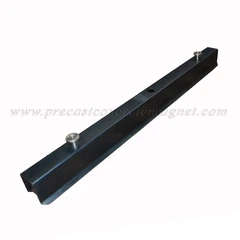
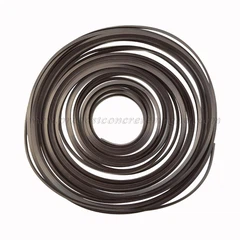
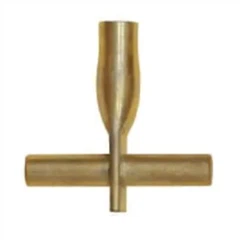
Shuttering Magnet

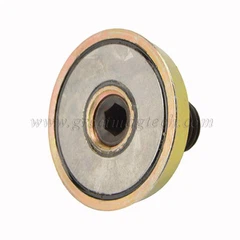
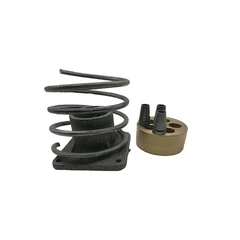
Shuttering Magnetic For Vertical Mould

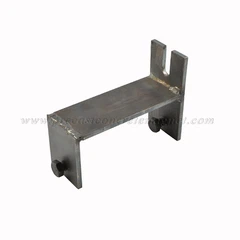
Shuttering Magnet Of Side Rods

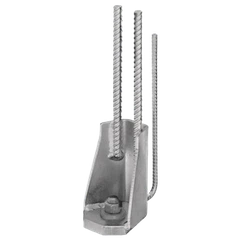
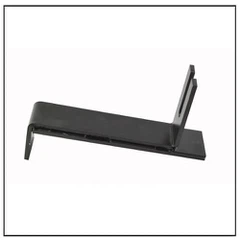
Precast Concrete Shuttering Magnet
Cause of Shuttering Magnet Displacement:
During concrete pouring, thin steel plates cannot effectively carry and conduct the magnetic flux generated by the magnet. As a result, part of the magnetic field leaks into the air instead of forming an efficient magnetic circuit, significantly reducing the holding force and causing the actual pull force to be much lower than the rated value.
In precast concrete production, the holding force of the magnet must be matched with the thickness of the steel casting table. The stronger the magnet's holding force, the thicker the steel plate should be to ensure stable working performance.
Poor Surface Condition
In many precast concrete plants, rust, paint, metal shavings, and hardened concrete residue are the most common factors contributing to this type of problem. These substances create tiny air gaps between the magnet and the steel surface. Although these air gaps may appear insignificant, the magnetic force attenuates sharply the moment direct contact is interrupted.
If the surface is warped, damaged, or uneven, the effective contact area is reduced, thereby weakening the strength of the magnetic circuit. This can result in inconsistent magnetic adhesion across different areas of the casting table.

Excessive Concrete Vibration
Repeated vibration can create micro-movements between the magnet and the steel casting bed, gradually weakening the magnetic holding force over time. Even an extremely small displacement can reduce the contact area, making the magnet more likely to slip further under pressure.
Using proper vibration techniques, maintaining a balanced concrete pouring speed, and selecting suitable magnets can all help effectively reduce displacement during production.
Incorrect Magnet Placement
Incorrect magnet placement is one of the most easily overlooked causes of formwork movement during precast concrete pouring. Even when high-strength shuttering magnets are used, improper positioning can still lead to formwork instability, concrete leakage, and dimensional inaccuracies.
When magnets are spaced too far apart, the formwork cannot receive uniform longitudinal support. During concrete pouring and vibration, unsupported sections are more likely to shift or deform. Small gaps can gradually expand, eventually causing concrete leakage and dimensional deviations.
This issue becomes even more noticeable in long formwork sections. If magnetic force is concentrated only at a few points, the lateral pressure from fresh concrete will be distributed unevenly, creating displacement stress in weaker areas. Only balanced magnet placement and uniform force distribution can maintain precise formwork alignment throughout the entire casting process.

Concrete Pressure Exceeds Holding Capacity
The actual concrete pressure exceeds the magnet's effective working load capacity. Fresh concrete generates significant lateral pressure against the formwork, especially during continuous pouring and vibration. As the concrete pouring height increases, the force acting on the side formwork also rises.
When a large volume of concrete is poured rapidly, the pressure becomes highly concentrated within a short period of time. When combined with vibration, this creates a dynamic loading effect that places additional stress on the magnetic fixing system.
Worn or Damaged Shuttering Magnets
Long-term use can weaken the overall stability of the magnetic system. Even if the magnet itself still provides sufficient pull force, wear on components such as springs, buttons, and housings can reduce the effective transfer of magnetic force. When the magnetic base can no longer maintain full and even contact with the steel surface, holding force loss increases significantly.
The housing can also become deformed due to impact or improper handling. An uneven bottom surface creates small air gaps between the magnet and the steel table, which can noticeably reduce actual holding force during concrete pouring and vibration.
Using the Wrong Magnet for the Application
One common mistake is using small magnets in heavy formwork systems. Large wall panels, thick concrete elements, and high formwork systems generate significant lateral pressure during concrete pouring and vibration.
Another issue comes from selecting the wrong magnet model. Many users focus only on the advertised holding force while ignoring the actual production conditions.
How to Prevent Shuttering Magnets from Slipping

1. Use Steel Casting Beds with Sufficient Thickness
The thickness of the steel casting bed directly affects magnetic holding performance. If the steel plate is too thin, it cannot efficiently transfer magnetic flux, which significantly reduces the actual holding force of the shuttering magnet. Even high-strength magnets may slip under these conditions. In production, the magnet holding capacity must match the steel plate thickness to ensure stable formwork fixation.
2. Keep Steel Surfaces Clean and Flat
Rust, paint, concrete residue, oil, and dust on the steel surface can create gaps between the magnet and the casting table, weakening magnetic contact. Keeping the surface clean and flat allows the magnet to achieve maximum holding performance and ensures stable formwork positioning during pouring and vibration.
3. Optimize Magnet Spacing and Placement
Improper magnet placement can lead to insufficient support in certain formwork areas. Long formwork sections, corner joints, and high-pressure zones often require additional magnets. Proper spacing helps distribute lateral pressure more evenly and reduces the risk of formwork movement or deformation during vibration.
4. Select Magnets with Adequate Safety Margins
The rated pull force of a magnet is typically measured under ideal laboratory conditions. In actual production, vibration, concrete pressure, and surface contamination all reduce real holding performance. Sufficient safety margins should always be considered when selecting magnets to ensure reliable long-term operation.
5. Control Concrete Vibration Intensity
Concrete vibration is necessary for proper compaction, but excessive vibration intensity or frequency can increase horizontal shear forces on the formwork system and weaken magnetic stability. This effect becomes even more noticeable during large-volume pours, making proper vibration control essential.
6. Regularly Inspect and Maintain Magnets
After long-term use, magnet housings may become worn, damaged, or contaminated with debris. Regular inspection and maintenance help maintain stable holding performance and reduce risks such as unexpected formwork movement or concrete leakage during production.
Conclusion
In the precast concrete production process, formwork fixing magnets play a crucial role in maintaining formwork stability; however, powerful magnetic suction alone does not guarantee consistently reliable performance. Factors such as steel plate thickness, surface condition, vibration intensity, magnet layout, and equipment maintenance directly influence fixing stability during the concrete pouring process.
Mastering how to prevent formwork fixing magnets from slipping is a critical step toward achieving safer and more reliable precast concrete manufacturing.
FAQ
Q: Why do shuttering magnets slip during concrete pouring?
A: Magnet slipping is usually caused by multiple factors, such as insufficient steel plate thickness, uneven surfaces, excessive vibration, improper magnet placement, or concrete pressure exceeding the actual working holding force.
Q: Does steel plate thickness affect magnetic performance?
A: Yes. Thin steel plates cannot fully transfer magnetic flux, which significantly reduces the actual holding force of the magnet.
Q: Can rust or concrete residue reduce magnetic holding force?
A: Yes. Rust, oil, paint, or concrete residue can create gaps between the magnet and the steel surface, weakening magnetic contact and reducing holding performance.
Q: Can stronger magnets completely solve slipping problems?
A: Not always. Even high-strength magnets may still slip if the steel plate is too thin, the surface is dirty, or vibration is excessive.
Q: Why is rated pull force different from actual working force?
A: Rated pull force is typically measured under ideal laboratory conditions, while vibration, surface contamination, and concrete pressure in real production environments reduce the actual holding force.
Q: How often should shuttering magnets be inspected?
A: Regular inspection is recommended during daily production. Worn housings, damaged surfaces, or accumulated debris should be cleaned or repaired promptly.