




In the construction of reinforced concrete structures, concrete spacers may appear to be insignificant auxiliary materials; however, they play a critical role in securing the position of the steel reinforcement and ensuring the proper thickness of the protective cover layer. They directly determine the durability of the steel reinforcement, the load-bearing capacity of the structure, and its fire resistance-even influencing the overall construction quality of the project and its rate of acceptance during final inspection. Selecting the wrong type of spacer can lead to a host of issues, such as exposed and corroding steel reinforcement or concrete cracking. This article will provide a detailed guide on how to select the appropriate concrete spacers for your project.

What Are Concrete Spacers?
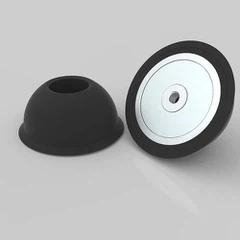
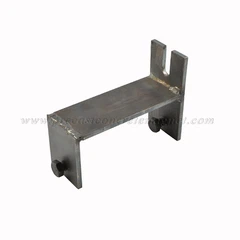
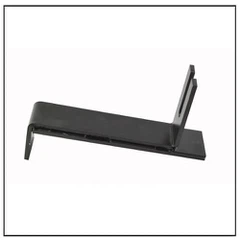
Concrete spacers are small but essential components in reinforced concrete construction, used to maintain the correct distance between rebar and the formwork. These spacers are typically made of plastic, concrete, or metal, and are placed at key positions during the pouring process to support and secure the reinforcement. Without spacers, rebar may shift due to its own weight or the effects of vibration, resulting in uneven concrete cover and compromising the overall structural performance.
What Are the Functions of Concrete Spacers?
The primary function of concrete spacers is to ensure that the entire structure achieves the specified concrete cover thickness as defined in the design. This protective layer acts as a barrier, shielding reinforcement from moisture, chemical exposure, and environmental factors.
Spacers also help improve construction efficiency. They simplify the positioning and placement of rebar, reduce the need for manual adjustments, and help maintain consistent reinforcement alignment across large areas.
Concrete spacers are more than simple positioning tools; they play a critical role in ensuring structural durability, safety, and compliance with construction standards. Only by selecting the appropriate type of spacer and placing it correctly can long-term reliability be achieved and costly future repairs be minimized.

Core Principles for Selection
Compatibility Principle
The material, size, and shape of the spacer must match the project's requirements, including concrete strength, rebar specifications, structural elements (such as beams, slabs, columns, and walls), and construction environment. Avoid a one-size-fits-all approach to ensure proper performance in different applications.
Safety Principle
Spacers must provide sufficient strength, stability, and durability. They should be able to withstand vibration during concrete pouring, the self-weight of reinforcement, and construction loads without collapsing, shifting, or breaking.
Compliance Principle
Strictly follow relevant national standards to ensure that concrete cover thickness and spacer spacing meet code requirements. Prevent the use of non-compliant substitutes or substandard products on site.
Type of Concrete Spacers
Concrete Spacers (Including Cement Mortar Spacers)
Made from cement, fine aggregates, and sand, these spacers are formed using molds and cured to achieve the required strength. They are cost-effective, highly compatible with structural concrete, and their strength can be adjusted as needed. They are the preferred choice for general construction environments and are widely used in beams, slabs, and columns in residential and commercial buildings.
Plastic Spacers
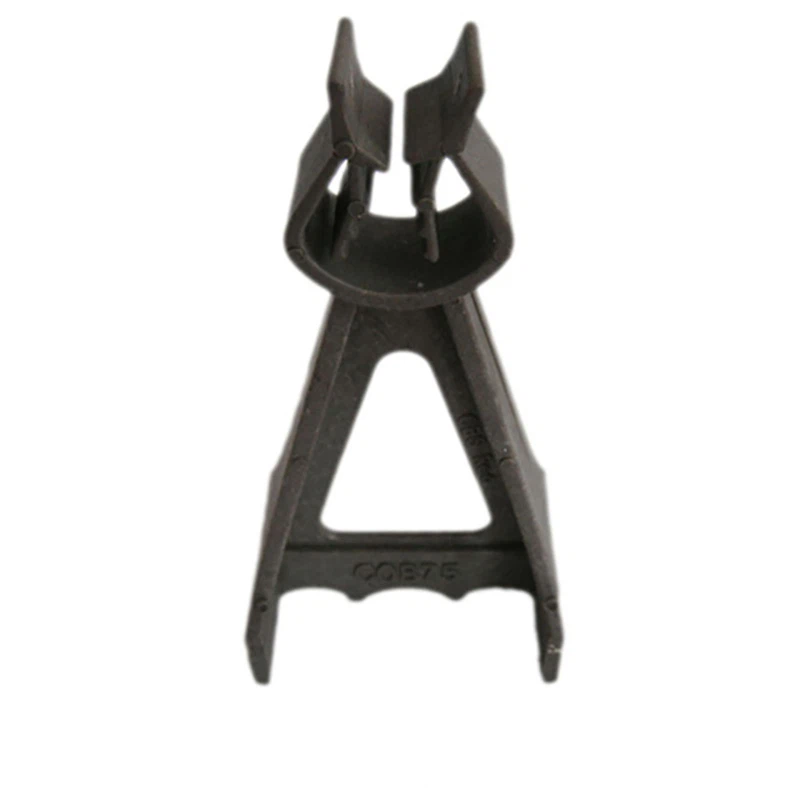
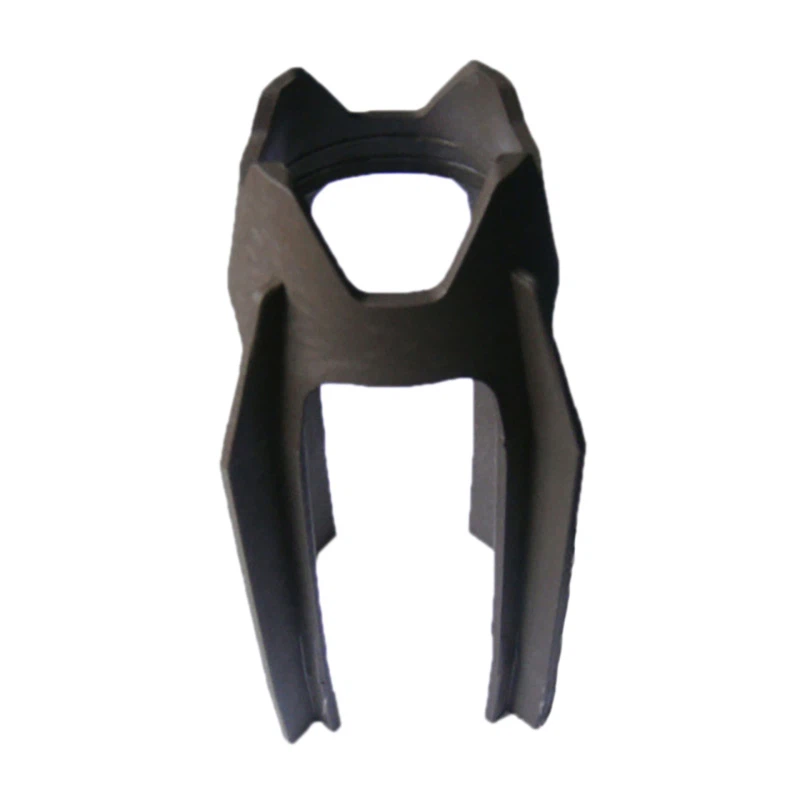
Manufactured from high-strength engineering plastics, these spacers offer precise dimensions, lightweight handling, and easy installation. They often feature clips or grooves that allow them to be securely fixed onto rebar, reducing the risk of displacement. They are suitable for applications requiring good resistance to moisture and corrosion.
Special Material Spacers
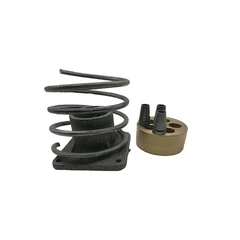
For extreme environments, high-performance options such as fiber-reinforced plastic spacers or corrosion-resistant metal spacers can be used. These are designed for industrial projects with high temperatures, aggressive chemical exposure, or heavy load requirements.


How to Select the Appropriate Concrete Spacer?
Size Requirements
The thickness of the spacer must strictly match the specified concrete cover in the design. Tolerance should be controlled within ±3 mm (for critical areas such as beam sides, within ±2 mm), and under no circumstances should the cover be less than 15 mm. Common spacer thicknesses include 15 mm, 20 mm, 25 mm, 30 mm, and 40 mm. Selection should be based on the concrete cover specified in the project drawings to avoid issues such as reduced load-bearing capacity from excessive thickness or reinforcement corrosion due to insufficient cover.
Shape Requirements
Square spacers: Commonly used in beams and columns, typically sized at 40 mm × 40 mm × cover thickness. They provide stable support for the main reinforcement and are easy to tie in place.
Round / flower-shaped spacers: Often used in slabs and walls, arranged in a staggered pattern. They distribute load evenly and help prevent localized stress concentration during concrete pouring.
Ring / U-shaped spacers: Used for piles and circular reinforcement positioning. The inner diameter should match the rebar size to keep the reinforcement centered.
Chair spacers: Designed for supporting double-layer reinforcement in slabs (top and bottom bars). The height is customized according to the required cover, effectively preventing deformation caused by foot traffic. At least 4 pieces per square meter are recommended.
Wedge spacers: Used to adjust the lateral positioning of reinforcement in beams. Different thicknesses allow precise alignment, ensuring uniform concrete cover.
Stability Selection
Concrete Spacers:
They should be designed with tie-wire grooves, allowing them to be securely fastened to the reinforcement with binding wire to prevent displacement during concrete pouring. For critical areas such as beam bottoms and column bases, spacers with anti-slip textures are recommended to increase friction with the formwork.
Plastic Spacers:
It is preferable to choose designs with built-in clips or slots that can be directly attached to the rebar without additional tying. This ensures quick installation and secure fixation. For applications on beam sides and wall sides, plastic spacers should have sufficient flexibility to prevent breakage during vibration.
Durability Selection:
Freeze Resistance:
For projects in extremely cold or cold regions, spacers must meet the required freeze-resistance grade to ensure performance under low-temperature conditions.
Corrosion Resistance:
In environments with corrosive exposure. such as coastal areas, basements, or chemical plants, plastic spacers or corrosion-resistant composite spacers should be preferred.
Crack Resistance:
Select spacers with high density, free of pores, voids, or edge damage. For concrete spacers, proper curing must be ensured to achieve sufficient strength and durability.
How to Select Concrete Spacers for Your Project?
Step 1: Define Core Project Requirements
Review the project drawings to determine the required concrete cover for each structural element (beams, slabs, columns, walls, etc.) and the specified concrete strength. Identify the project environment, construction loads, and appearance requirements to establish a clear basis for selection.
Step 2: Determine Material and Strength
Select the appropriate type of spacer: concrete, plastic, or special material based on environmental conditions and the type of concrete used. In line with the specified concrete strength, define the minimum strength requirement for the spacers and request test reports from the supplier.
Step 3: Match Size and Shape
Based on the reinforcement specifications and required concrete cover for each structural element, determine the spacer thickness and shape. Ensure dimensional tolerances comply with standards and that the shape fits the reinforcement layout and construction needs.
Step 4: Verify Fixing Method and Durability
Check whether the spacer's fixing features (such as tie-wire grooves or clips) are convenient and secure. Evaluate freeze resistance, corrosion resistance, and crack resistance according to environmental conditions. After delivery, conduct random inspections and strictly prohibit the use of non-compliant products.
Common Mistakes in Selection
Focusing Only on Price and Ignoring Strength
Choosing low-cost spacers with insufficient strength can lead to crushing during concrete pouring. This may cause rebar displacement and inadequate concrete cover, requiring costly rework such as concrete removal and repair, ultimately increasing both cost and project timeline.
Assuming "Close Enough" Is Acceptable for Size
If the spacer thickness exceeds allowable tolerances or the shape does not match the reinforcement specifications, it can result in uneven concrete cover. This affects structural load-bearing capacity and durability, and may even lead to failure during inspection.
Ignoring Fixing Methods and Random Placement
If spacers are not securely tied or clipped, they may shift or fall off during pouring, exposing reinforcement in certain areas. Excessive spacing between spacers can also cause rebar to sag under its own weight, leading to insufficient concrete cover.
Using Improper Substitutes
Replacing proper spacers with materials such as stones, bricks, or wood is a serious violation. These materials lack sufficient strength and durability, and may lead to reinforcement corrosion and concrete deterioration over time.
Conclusion
Choosing the right concrete spacer is not just about convenience; it is about precision in construction. The correct spacer ensures accurate rebar positioning and uniform concrete cover, which directly contributes to the long-term durability of the structure. By carefully considering factors such as load capacity, spacer type, and placement strategy, you can avoid costly construction mistakes and ensure full compliance with building standards.
FAQ
Q: How do I choose the correct spacer height?
A: The spacer height should match the concrete cover specified in the design drawings or relevant standards. Always confirm the required cover thickness before selecting spacers.
Q: What type of spacer should be used for slabs?
A: Chair spacers are typically used for slabs because they provide stable support for horizontal reinforcement and maintain consistent bottom cover.
Q: Are plastic spacers strong enough for construction?
A: High-quality plastic spacers are suitable for most applications. However, for heavy loads or large-diameter reinforcement, higher-strength spacers should be selected.
Q: How many spacers are needed per square meter?
A: The quantity depends on the reinforcement layout and load conditions. Spacers are generally placed at regular intervals to ensure uniform support and consistent concrete cover.
Q: Can the same spacer be used for walls and slabs?
A: No. Wheel spacers are suitable for vertical applications such as walls, while chair spacers are designed for horizontal support in slabs and beams.
Q: Do spacers affect concrete durability?
A: Yes. Proper spacers ensure the correct concrete cover, which protects reinforcement and improves long-term durability.
Q: How do environmental conditions affect spacer selection?
A: In coastal or chemically aggressive environments, more durable materials such as high-quality plastic or concrete spacers should be selected.