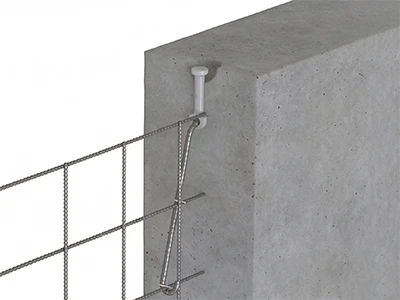


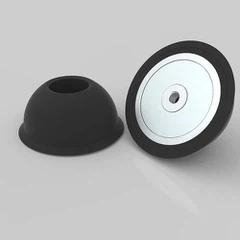
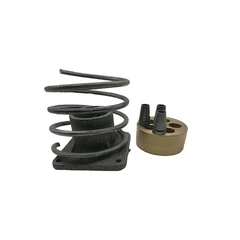

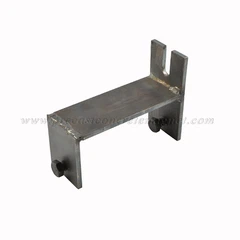
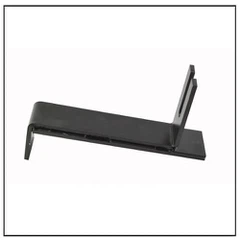


In concrete construction, rebar spacers are essential components that ensure reinforcement bars are correctly positioned within the formwork. Proper spacing not only meets building code requirements but also improves the structural integrity, durability, and load-bearing capacity of concrete structures. The most commonly used spacers include wheel spacers and chair spacers. In this guide, we will explore the real differences between wheel spacers and chair spacers, helping you make the right choice for your project.
What Are Concrete Rebar Spacers & Why Do They Matter?
Rebar spacers may be small, but they play a critical role in reinforced concrete structures. Their primary function is to maintain the correct distance between the reinforcement bars and the formwork, ensuring that the required concrete cover is achieved throughout the structure.
Rebar spacers are typically made of plastic, concrete, or metal, and are placed at regular intervals to support and position the reinforcement. Without spacers, rebar can shift during pouring or vibration, leading to uneven concrete cover, reduced structural strength, and an increased risk of corrosion. Without proper spacers, reinforcement movement during concrete placement can result in insufficient strength, non-compliance with building standards, or premature structural failure.

Concrete Wheel Spacers: Designed for Vertical Reinforcement
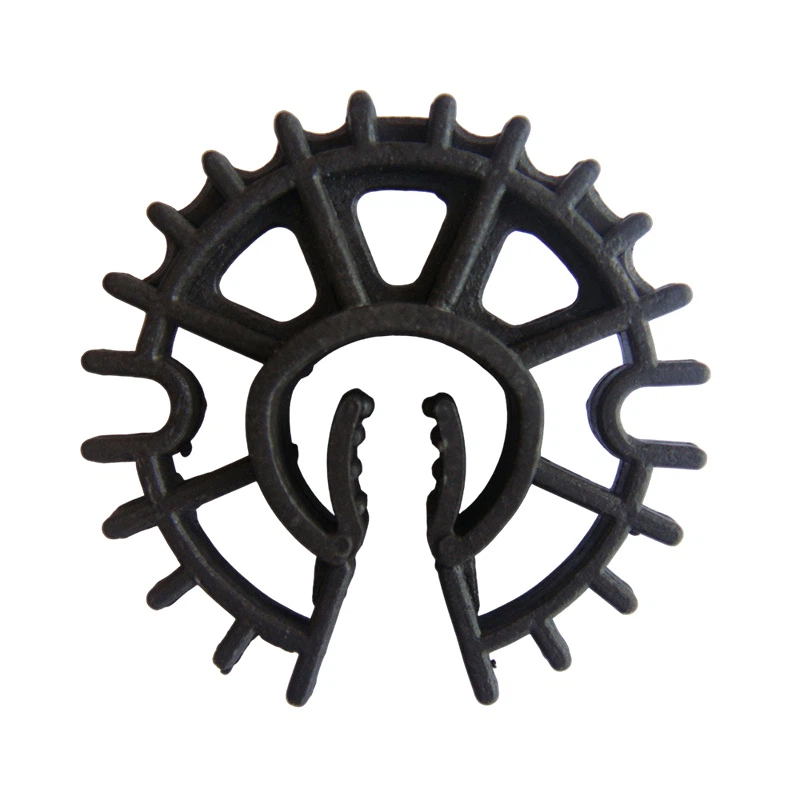
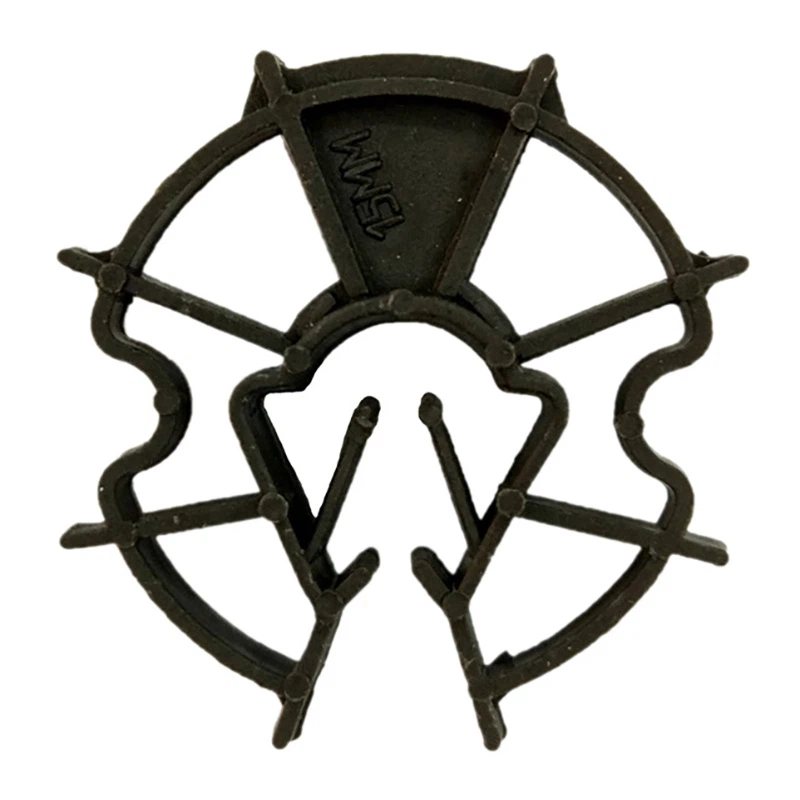
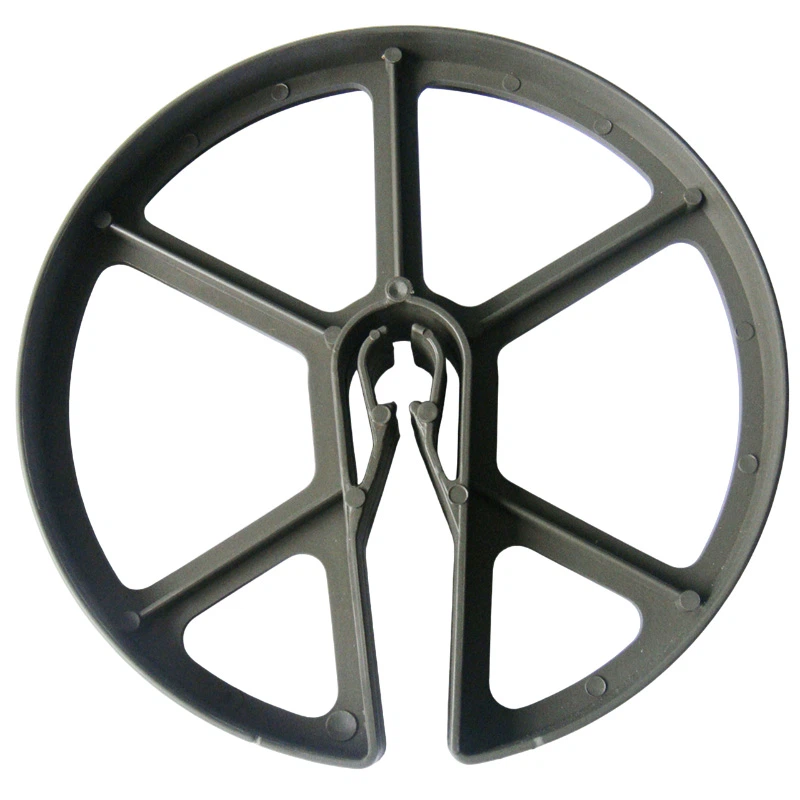
Wheel spacers (also known as circular or star-shaped spacers) feature a unique wheel or star design with a central clip or slot. Their structure is open and radial, allowing the central clip to firmly grip the rebar, while the outer edge rests against the formwork to maintain consistent spacing.
Core Function
The primary function of wheel spacers is to secure vertical reinforcement, such as rebar in walls, columns, pilasters, or precast panels. By clipping directly onto the rebar, they keep it centered within the formwork, ensuring uniform concrete cover around the entire reinforcement cage. This 360° coverage is essential for vertical structures, as the rebar must be fully encased in concrete to resist lateral forces and corrosion.
Advantages
360° Uniform Coverage: Unlike spacers that support only one side, wheel spacers ensure consistent concrete cover around the entire circumference of the rebar, eliminating weak points.
Fast and Easy Installation: The clip-on central design allows quick installation without tying or additional fasteners, saving time on site.
Smooth Concrete Flow: The open radial design does not obstruct the flow of fresh concrete, ensuring proper compaction around the rebar and reducing the risk of voids.
Corrosion Resistance: Plastic wheel spacers do not rust or degrade easily, even in harsh environments, ensuring long-term stable performance.
Ideal Applications
Load-bearing columns and wall panels
Precast concrete elements (such as precast walls and columns)
Circular or cylindrical rebar cages requiring 360° coverage
Chair Spacers: Built for Horizontal Reinforcement
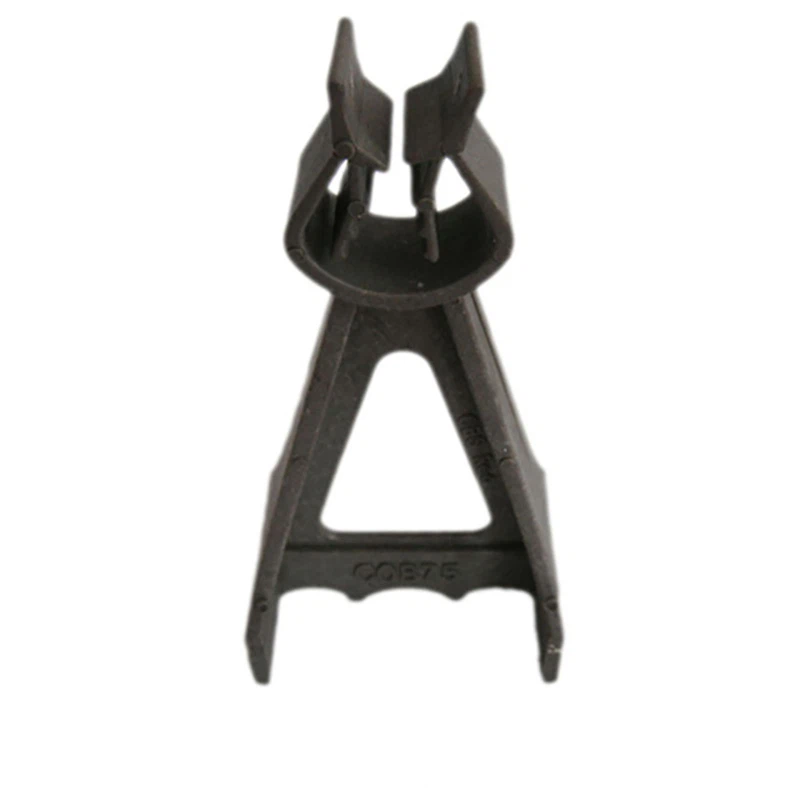
Rebar chairs (also known as slab chairs or reinforcement supports) are designed for greater stability and load-bearing capacity. They are typically shaped in A-frame, four-leg, or "high chair" configurations, with a saddle or seat at the top. The wide base helps distribute loads evenly and reduces point pressure, preventing the reinforcement from sinking into soft sublayers.
Core Function
The primary function of rebar chairs is to maintain the required bottom concrete cover and keep reinforcement at the correct height during placement and vibration. They stabilize rebar grids, prevent sagging under their own weight, and resist displacement caused by workers walking on the reinforcement or by concrete flow. By maintaining proper spacing, they ensure that the designed load transfer path is achieved and that the reinforcement is securely embedded in concrete, supporting durability and bond strength.
Advantages
High stability: Multi-leg or A-frame designs provide strong support, making them ideal for heavy rebar meshes or reinforcement mats commonly used in large concrete slabs.
Height versatility: Chair spacers are available in a wide range of fixed heights (typically from 1 inch to over 6 inches), allowing contractors to meet specific concrete cover requirements for different projects.
Strong load capacity: They can support the weight of workers, wet concrete, and heavy reinforcement without collapsing or shifting, ensuring consistent spacing during pouring.
Easy installation: Simply place the chair spacer on the formwork and position the rebar into the saddle.
Ideal Use Cases
Residential and commercial slabs (e.g., floors, deck slabs)
Foundations and footings (where the bottom cover is critical)
Patios, driveways, and sidewalks
Any horizontal application where reinforcement must be elevated to maintain proper bottom cover
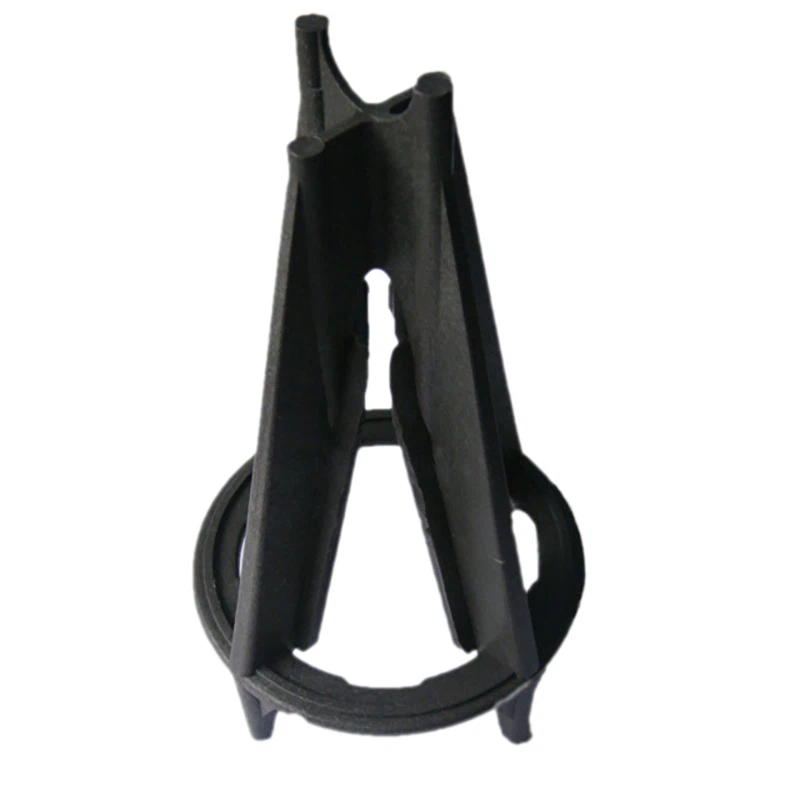
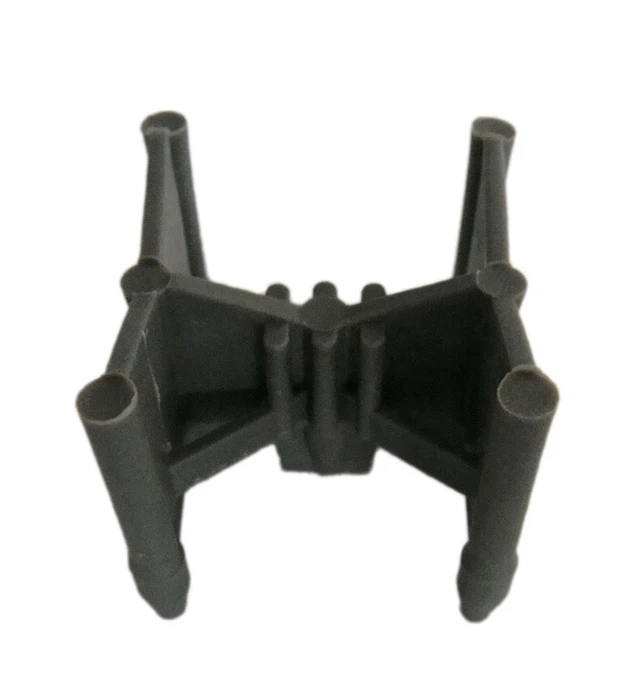
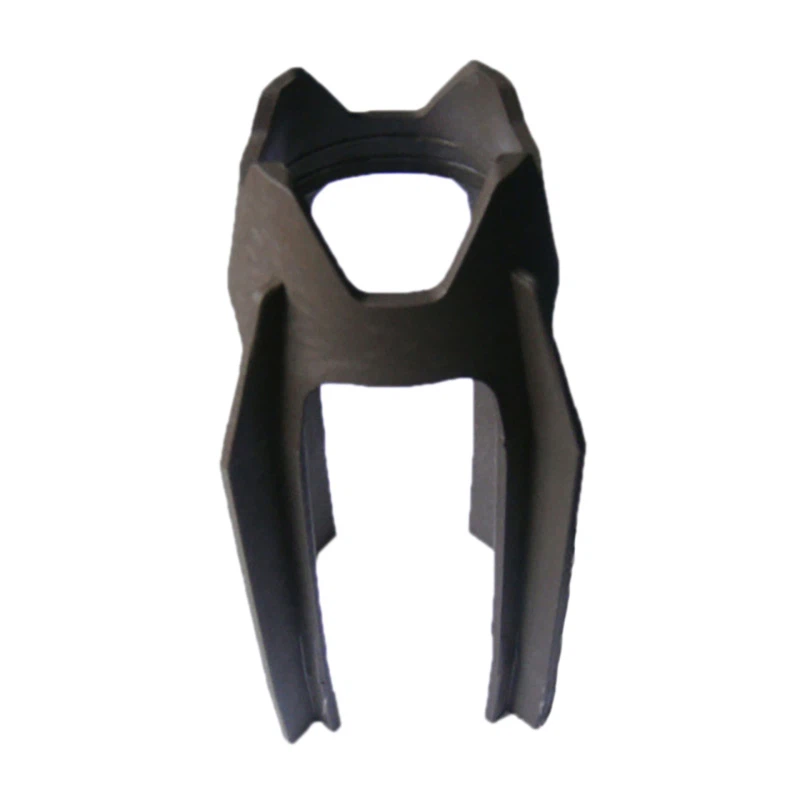
Key Differences Between Wheel Spacers and Chair Spacers
|
Comparison Factor |
Wheel Spacers |
Chair Spacers |
|
Application Orientation |
Vertical reinforcement(walls, columns) |
Horizontal reinforcement(slabs, beams) |
|
Design Structure |
Circular wheel shape |
A-frame / multi-leg chair structure |
|
Installation Method |
Clip-on installation |
Placed under rebar |
|
Load Capacity |
Moderate |
High |
|
Primary Function |
Maintain the side concrete cover |
Maintain the bottom cover |
|
Stability |
Moderate |
High |
|
Concrete Cover Control |
Continuous side spacing |
Fixed bottom spacing |
|
Best Applications |
Walls, columns, precast panels |
Slabs, foundations, beams |
|
Resistance to Movement |
May shift under load |
Strong resistance |
|
Ease of Use |
Very fast, clip-on |
Simple placement |
|
Typical Materials |
Plastic, concrete |
Plastic, metal, concrete |
|
Suitability for Heavy Rebar |
Not recommended |
Highly suitable |
When to Use Wheel Spacers
Wheel spacers are specifically designed for applications where maintaining a consistent side concrete cover is essential. They can be clipped directly onto vertical reinforcement and move together with the rebar cage, ensuring uniform spacing from top to bottom.
Wheel spacers are commonly used in vertical elements such as walls, columns, shear walls, and precast panels. Their circular profile allows continuous contact with the formwork, helping achieve even concrete cover at edges and corners-areas where defects often begin. They are also suitable for light to medium reinforcement, where lateral positioning is more critical than vertical load support.
Choose wheel spacers when you need:
Consistent side cover in vertical applications
Clean panel edges and precise dimensions
Fast and efficient installation with minimal tools
Reliable performance under vibration without displacement
When to Use Chair Spacers
When reinforcement requires reliable support from below, chair spacers are the preferred choice. They are designed to carry the weight of rebar cages and keep the steel at the correct elevation, especially in horizontal elements where stability during pouring is critical.
In slabs and floor systems, chair spacers should be used when maintaining a consistent bottom cover is essential. They prevent reinforcement from sinking to the base and help ensure even load distribution across the concrete section.
They are also suitable for beams and foundations, where reinforcement is heavier and requires stronger support. Compared with wheel spacers used for vertical applications, chair spacers provide a stable platform that resists displacement caused by vibration.
Choose chair spacers when load-bearing capacity, stability, and precise height control are critical. Proper selection and spacing lead to better concrete cover, fewer defects, and more consistent structural performance throughout the project.
FAQ
Q: Can wheeled shims be used for horizontal rebar, and chair shims for vertical rebar?
A: While technically feasible in some small-scale, low-load situations, it is not recommended. Wheeled shims are designed for 360° coverage and vertical centering. Horizontal use of them fails to provide the stable foundation needed to support the rebar mesh or wet concrete, leading to displacement. Chair shims lack a center clamp for securing vertical rebar, thus failing to keep it centered in the formwork, resulting in uneven concrete cover.
Q: Can chair shims support heavy rebar cages?
A: Yes. Chair shims are designed for load-bearing applications, and high-quality products provide stable support for thick slabs and large rebar structures.
Q: How do shims affect concrete durability?
A: Shims are used to control the thickness of the concrete cover, preventing moisture and corrosion of the rebar. Insufficient cover reduces structural durability.
Q: What happens if shims are not used?
A: Not using shims leads to rebar displacement and uneven cover, reducing strength and increasing the risk of cracking and corrosion.
Q: How to determine the required shim size for a project?
A: Size depends on two key factors: the required concrete cover thickness (according to local building codes) and the rebar diameter. For wheeled shims, choose a size that fits snugly against the rebar (matching its diameter) and provides the required all-around cover thickness. For chair shims, choose a height that matches the specified bottom cover thickness. Most manufacturers offer sizes from 1 inch to over 6 inches to meet different code requirements.
Q: Besides the clips on wheeled shims, is it necessary to attach the shims to the formwork or rebar?
A: In most cases, no. The clips on wheeled shims securely fasten them to vertical rebar, with their outer edges resting against the formwork for stability. Chair shims rely on their multi-legged design to be secured to the formwork or base; their own weight and the weight of the rebar above prevent movement. For uneven ground or windy conditions, you can use cable ties to secure the shims to the formwork (avoid tying them to the rebar, as this may restrict concrete flow).
Q: Can I reuse wheeled shims or shims from previous projects?
A: This depends on the condition of the shims. Inspect the gaskets for cracks, breaks, or deformation. Damaged gaskets cannot provide reliable support. In good condition, plastic gaskets (no cracks, secure snap-fit for wheeled gaskets, and sturdy legs) can be reused. However, concrete or steel gaskets showing signs of corrosion or damage should be discarded, as they may compromise the structural integrity.
Conclusion
Wheel spacers and chair spacers are designed for different purposes. Wheel spacers perform best in vertical applications, providing consistent side concrete cover, while chair spacers offer strong support for horizontal reinforcement. Choosing the right type of spacer ensures accurate positioning of rebar and helps you select the appropriate solution for each part of your project, ensuring compliance with building codes, structural integrity, and long-term durability.