





Introduction
Shuttering magnets are widely used in precast concrete production because they make formwork fixing faster, cleaner, and more flexible. However, even high-quality magnets can lose performance if they are used incorrectly or not properly maintained. Concrete residue, rust, rough handling, and improper storage can all weaken their holding force over time. This guide explains how to use shuttering magnets correctly and how to maintain them properly, helping ensure stable and reliable performance in daily precast production.
Quick Answer
Shuttering magnets should be used on a clean, flat, and sufficiently thick steel platform to ensure a stable and reliable holding force. Before use, press the ON/OFF button to activate the magnet and confirm that the formwork is firmly secured.
After use, release the magnet with the dedicated handle, remove concrete residue from the contact surface, and store it in a dry place on wooden or stainless steel supports. Avoid striking the magnetic box, dragging it across the steel table, exposing it to corrosive environments, or using it at temperatures above 80°C. Regular inspection helps ensure safe, stable, and long-lasting performance.
What Is a Shuttering Magnet?
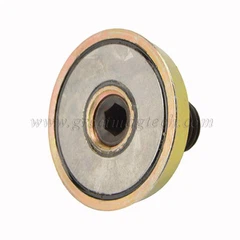
The shuttering magnet is a reusable magnetic fixing device mainly used on steel casting tables in precast concrete production. Its core function is to firmly hold side forms in the required position before and during concrete pouring, ensuring that the formwork maintains the correct position, shape, and dimensions. Compared with traditional fixing methods such as welding, drilling, or bolting, shuttering magnets provide a cleaner and more flexible solution.
In daily precast production, shuttering magnets are commonly used to fix wall panels, floor slabs, beams, stair components, and various customized precast elements. When used with a steel table of suitable thickness and a matching formwork system, they can provide strong holding force and significantly improve overall production efficiency.

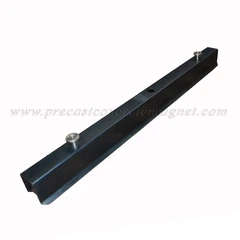
Shuttering Magnet

Shuttering Magnetic For Vertical Mould

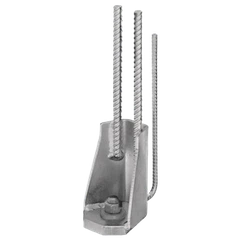
Shuttering Magnet Of Side Rods

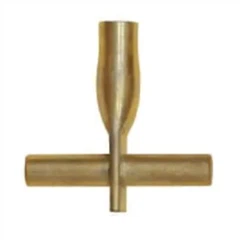
Precast Concrete Shuttering Magnet
Preparation Before Using Shuttering Magnets
Check the Steel Casting Table
Before placing the shuttering magnets, check whether the steel casting table is clean, flat, and suitable for magnetic fixing. If the table surface is uneven or damaged, the contact area between the magnet and the table will be reduced, weakening the actual holding force of the magnet.
Remove Surface Contaminants
Before use, the table surface must be cleaned of rust, hardened concrete residue, oil stains, dust, and paint. Even a very thin layer of dirt can create an air gap between the magnet and the steel table, reducing magnetic holding performance during concrete pouring and vibration.
Confirm the Correct Magnet Model
The selected magnet model must match the formwork size, side form height, and expected lateral concrete pressure. If the magnet is too small, it may appear strong during initial setup but still slip when exposed to side pressure.
Inspect the Magnet Before Use
Carefully inspect the magnet housing, button, and magnetic surface. If deformation, cracks, loose parts, or serious wear are found, the magnet should be repaired or tested before being used in production.
Ensure Safe Operation by Workers
Operators must fully understand the correct procedures for handling and releasing shuttering magnets. Strong magnets have a powerful attraction force and can easily cause hand injuries if handled carelessly. Following safe operating procedures is crucial for protecting workers and ensuring a stable, smooth production process.
Common Mistakes During Use

Placing Magnets on Dirty or Uneven Steel Surfaces
Rust, concrete residue, oil, dust, or uneven surfaces can create gaps between the magnet and the steel table. These gaps reduce the actual holding force and increase the risk of formwork movement during concrete pouring.
Using Magnets with Insufficient Holding Force
Not all magnets are suitable for every formwork size. If the selected magnet cannot withstand concrete pressure and vibration, it may still slip even if it appears firmly attached at first.
Setting the Magnet Spacing Too Wide
Excessive spacing creates weak support areas along the formwork line. For longer formwork sections, proper magnet spacing should be used to distribute force more evenly.
Ignoring Corners and Joint Areas
Corners, ends, and joint areas usually experience higher stress during casting. These areas often require additional magnets or closer spacing to prevent grout leakage and displacement.
Dragging Magnets Across the Steel Table
Dragging magnets may scratch the magnetic surface and shorten their service life. When moving or repositioning magnets, always lift them carefully and place them gently.
Hitting the Magnet Housing During Removal
Striking the housing with a hammer may deform the shell or damage the internal magnetic system. Always use the correct release tool for removal.
Using Damaged Magnets Without Inspection
Magnets that are worn, cracked, or weakened should be inspected before use. Regular inspection helps prevent magnet slipping, production delays, and loss of formwork accuracy.
Instruction for Use

ON/OFF Operation
The shuttering magnet is equipped with an on/off button on top. During operation, press the button down to activate the magnetic force and firmly secure the formwork to the steel platform. To release the magnet, lift the button with the release lever and switch the magnet to the OFF position, allowing it to be moved freely.
Magnetic Holding Performance
The holding force of the magnetic box depends on the thickness and surface condition of the steel worktable. A thicker, flatter, and cleaner steel surface provides stronger magnetic adhesion. The lateral shear resistance is determined by both the magnetic holding force and the friction coefficient of the contact surface.
Adapter Compatibility
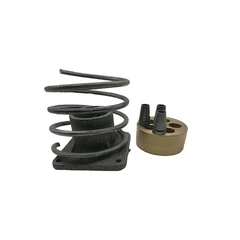
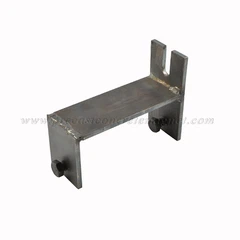
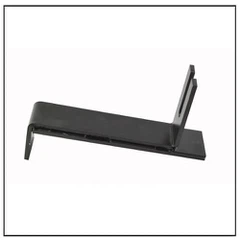
Two reserved screw holes on both sides of the magnetic box allow it to be assembled with different adapters. This makes it suitable for fixing various types of formwork, including angle steel, channel steel, and other steel profiles.
Permanent Magnet Performance
GME shuttering magnets use high-performance neodymium permanent magnets. Under proper working conditions, the magnetic force can remain stable for long-term use, provided that the operating temperature does not exceed 80°C and the magnet is protected from impact, damage, and corrosion.
Operating Requirements
The recommended operating temperature should remain below 80°C. The shuttering magnet should be used in a clean, dry environment free from corrosive substances to ensure safe operation and long service life.
Instruction for Maintenance
1. To prevent structural damage, do not strike or knock the magnetic box with hard tools. A rubber hammer is recommended if auxiliary knocking is required.
2. Keep the contact surface of the magnetic box clean and smooth. Prevent iron filings, concrete mortar, and other debris from entering the device, which would impair button flexibility, cause magnet deviation, result in poor fitting with the platform, and reduce magnetic force.
3. Due to powerful magnetic attraction, keep the closed magnetic box away from precision instruments, electronic devices, and other iron-based equipment. Once adsorbed, separation will be difficult. Special storage boxes are recommended for daily placement.
4. Maintain long-term cleanliness and smoothness of the contact surface. Apply anti-rust oil before long-term storage. The maximum temperature for operation and storage shall not exceed 80℃, and corrosive environments must be avoided. Regularly check the fitting tightness of the working surface and the flexibility of the control button to ensure stable operation.
5. Clean the magnetic box thoroughly after use, then place it on stainless steel or wooden brackets. Iron brackets are prohibited for storage.

Conclusion
Proper use and maintenance directly affect the performance and service life of shuttering magnets. Keeping the steel table clean, ensuring accurate positioning, maintaining proper magnet spacing, using safe release methods, and performing regular cleaning can significantly reduce problems such as magnet slipping, surface damage, and production delays.
For precast factories, maintaining shuttering magnets is not only about protecting tools. It is also about improving formwork accuracy, increasing production efficiency, and achieving long-term cost control.
FAQ
Q: How should I activate a shuttering magnet?
A: Press the ON/OFF button to activate the magnetic force. Once activated, the magnet firmly holds the formwork on the steel platform. Before concrete pouring, always check whether the magnet is fully attached and whether the formwork is stable.
Q: How should I safely release a shuttering magnet?
A: Use the release handle to pull the button upward and switch the magnet to the OFF position. Do not strike the magnet housing with a hammer, as a strong impact may deform the housing or damage the internal magnetic system.
Q: Why does the holding force of a shuttering magnet decrease?
A: Reduced holding force may be caused by concrete residue, rust, iron filings, oil, dust, uneven steel surfaces, thin steel tables, or internal magnet damage. Regular cleaning and inspection help maintain stable magnetic performance.
Q: Can I use a shuttering magnet on any steel table?
A: Not always. Magnetic force depends on the thickness, flatness, and surface condition of the steel table. The thicker, smoother, and cleaner the steel surface is, the stronger the magnetic adhesion will be.
Q: What is the maximum working temperature of a shuttering magnet?
A: The recommended operating and storage temperature should not exceed 80°C. Excessive temperature may affect magnetic performance and shorten the service life of the magnet.
Q: How should I clean a shuttering magnet after use?
A: After each use, remove concrete slurry, mortar, dust, and metal debris from the magnetic contact surface and housing. Keeping the contact surface clean and smooth helps prevent poor fitting and reduced holding force.
Q: How should shuttering magnets be stored?
A: Store shuttering magnets in a dry and clean environment, preferably on wooden or stainless steel brackets. Do not place them directly on iron brackets. Keep them away from corrosive substances, moisture, and high-temperature sources.
Q: Can shuttering magnets be placed near electronic devices?
A: No. Because shuttering magnets have strong magnetic attraction, they should be kept away from precision instruments, electronic devices, and other iron-containing equipment to avoid damage or difficult separation.
Q: Can I strike the magnetic box during position adjustment?
A: Do not strike the magnetic box with hard tools. If a minor adjustment is required, carefully use a rubber hammer for light tapping. Strong impact may damage the housing, button mechanism, or internal magnet structure.
Q: How often should shuttering magnets be inspected?
A: Shuttering magnets should be inspected regularly during daily production. Before use, check button flexibility, magnetic surface condition, housing damage, and contact tightness to ensure safe and stable operation.