



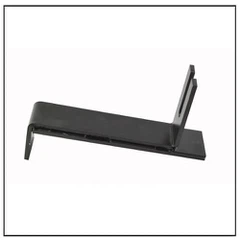


Concrete is widely used in modern construction, but it is mainly applied in two ways: precast concrete and site-cast concrete. Precast concrete is manufactured off-site in a controlled factory environment and then transported to the project site for installation. Site-cast concrete, also known as cast-in-place concrete, is poured and cured directly on-site.
The main difference is not only where the concrete is produced, but also how each method affects cost, construction speed, design flexibility, quality control, and durability. Understanding these differences helps contractors, engineers, and project owners choose the most suitable solution for their construction needs.
What is Precast Concrete?
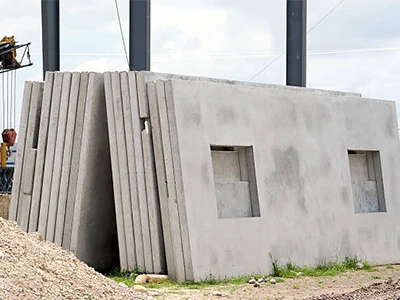
Precast concrete is a construction material created by casting concrete in a controlled factory environment. The precast components are delivered to the construction site and assembled after the concrete has dried. This procedure guarantees decreased on-site labor, quicker project schedules, and consistent quality.
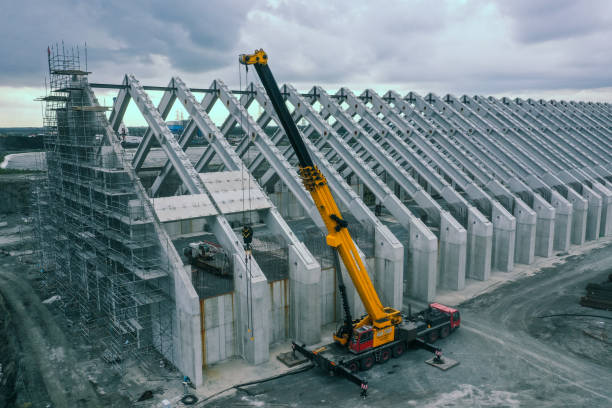
How Precast Concrete is Made
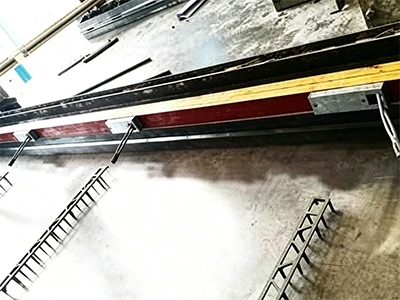
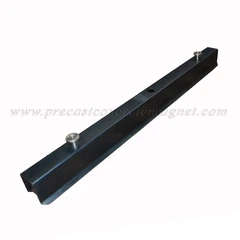
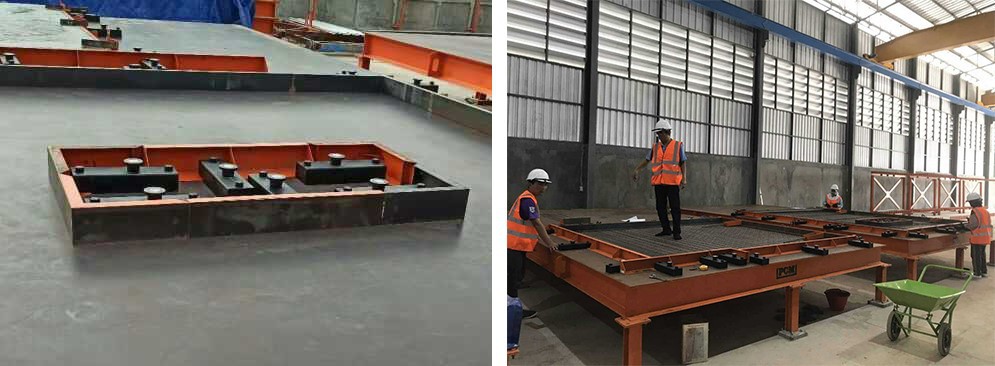
Design and Mold Preparation: The requirements are used to produce custom molds. These molds can be anything from basic panels to intricate architectural patterns. You can get numerous molds, such as precast concrete magnets for interior wall mold and formwork magnet wall panels with rebar-out mold.
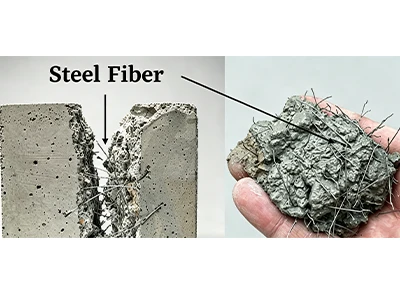
Mixing and Casting: Premium concrete is poured into the molds after mixing. Concrete's qualities can be improved by adding fibers, plasticizers, or accelerators.
Curing Process: The concrete is cured under controlled conditions, ensuring optimal strength and durability.
Transportation and Installation: Cranes and other large machinery are used to move the precast parts to the site and install them when they have dried.
Applications of Precast Concrete
Precast concrete is versatile and is used to create a wide range of products, including:
Structural Components: Beams, columns, wall panels, and floor slabs.
Utility Products: Pipes, manholes, septic tanks, and drainage systems.
Architectural Elements: Decorative facades, cladding panels, and custom sculptures.
Infrastructure Elements: Bridge components, culverts, barriers, and railway sleepers.
Urban Furniture: Benches, planters, and bollards.
Advantages of Precast Concrete
Manufactured in a controlled environment, ensuring consistent quality and strength.
Minimal labor is needed at the construction site, as the main work is done in the factory.
Production occurs indoors, so weather does not affect the manufacturing process, ensuring consistent results.
Precast elements often have a smoother finish due to the factory's controlled conditions.
Disadvantages of Precast Concrete
Big precast elements require transportation to the construction site, which can be expensive, especially for distant locations.
Once precast elements are manufactured, they cannot be easily modified or adjusted on-site.
Precast components require substantial storage space before being transported to the site for installation.
While customizable, precast concrete elements are often limited by the size and shapes that can be economically produced.
Materials Used in Precast Concrete
Precast concrete requires high-quality materials to ensure strength, durability, and performance. Below are the primary materials used:
Molds and Formwork Materials
Steel Molds: Durable and reusable for large-scale production.
Rubber or Plastic Molds: Used for detailed or decorative elements.
Wooden Molds: Sometimes used for small or custom projects.
Magnets for Precast Formwork
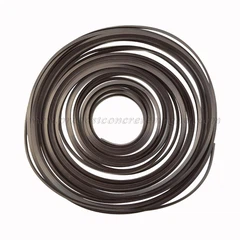
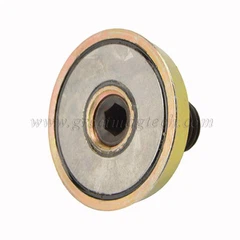
Magnets play a critical role in holding formwork securely during the precast process. These magnets are embedded in the formwork to ensure stability while casting-for example, GME Precast Magnet and Precast Concrete Shuttering Magnet. Shuttering magnets are specifically designed to fix molds to the steel casting bed.
Precast Connector Cast-in Channel
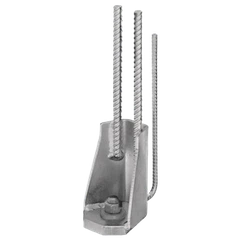
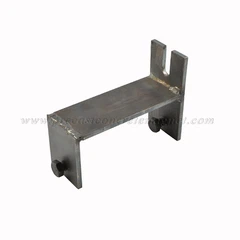
These are steel channels embedded in precast concrete elements to connect them to other components. It is designed to handle loads and provide secure connections.
Lifting Loop for Precast Concrete
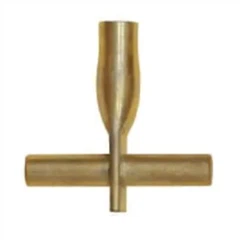
Lifting loops are essential tools for moving and positioning precast components. Loops are cast into the concrete to provide secure points for crane hooks during transportation and installation.
Precast Concrete Release Tool
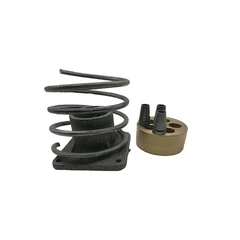
Release tools help remove formwork from precast concrete without damaging the finished product. It is used to handle intricate molds or delicate surfaces where precision is essential.
What is Site-Cast Concrete?
Concrete is poured, molded, and cured on the construction site using site-cast concrete, sometimes called cast-in-place concrete. It allows greater flexibility in design and application.
How Site-Cast Concrete is Made
Formwork Preparation: Temporarily, molds, also known as formwork, are set up on the construction site to specify the shape of the concrete structure. Materials, including plastic, steel, and wood, are frequently used for formwork.
Reinforcement Placement: To increase the strength of the structure, mesh or reinforcing steel bars (rebars) are placed inside the formwork.
Concrete Mixing and Pouring: Concrete is either provided from a ready-mix facility or mixed on-site. The mixture is poured into the formwork and leveled to provide adequate coverage.
Vibration and Compaction: Vibrators are used to guarantee a dense, solid structure and eliminate air bubbles.
Curing Process: The concrete is kept moist and cured for several days or weeks, depending on the project's requirements.
Applications of Site-Cast Concrete
Site-cast concrete is used in a variety of construction projects, including:
Foundations: For buildings, bridges, and other structures.
Slabs and Floors: Driveways, parking lots, and industrial flooring.
Structural Elements: Columns, beams, and walls.
Custom Designs: Architectural features that require on-site adjustments.
Advantages of Site-Cast Concrete
Allows for complex and unique designs that can be tailored on-site.
Provides seamless, continuous structures with fewer joints, enhancing strength and durability.
For smaller-scale construction, it can be more economical than precast solutions.
It avoids logistical challenges associated with transporting heavy precast elements.
Disadvantages of Site-Cast Concrete
Rain, extreme temperatures, or high humidity can affect pouring and curing quality.
It may produce more material waste compared to the controlled environment of precast manufacturing.
Construction sites are prone to hazards during pouring and curing, especially on large projects.
Requires substantial investment in temporary formwork, which needs to be dismantled and sometimes replaced.
Key Differences Between Precast and Site-Cast Concrete
Manufacturing Location
Precast Concrete: Produced in a regulated off-site production environment with environmental monitoring capabilities, guaranteeing constant
Site-cast Concrete: It is poured, molded, and cured under conditions and quality directly at the construction site based on site requirements and local weather.
Production Time
Precast Concrete: Because the concrete components are pre-made and simply need to be assembled on location, installations are usually completed more quickly.
Site-cast Concrete: Slower because the entire pouring, molding, and curing process takes place on-site, which results in lengthier building schedules.
Quality Control
Precast Concrete: offers excellent quality control and consistency because of the controlled industrial environment that guarantees material and cure uniformity.
Site-cast Concrete: Weather, site conditions, and the level of expertise of the workers pouring and curing the concrete can all affect quality.
Customization
Precast Concrete: Customizable but limited by the molds used in the factory. Adjustments can be made but are generally constrained by the production method.
Site-cast concrete: It offers a great deal of design flexibility. During the building phase, more innovation and adaptability are possible due to the ease with which changes may be made on-site.
Labor Requirements
Precast Concrete: Requires less on-site labor because the components are delivered ready for installation, and most of the work is completed in the factory.
Site-cast concrete: Raises labor costs since it requires a lot of work on-site for formwork setup, pouring, and curing.
Weather Dependency
Precast Concrete: Because production takes place indoors, weather does not impact it, guaranteeing uniformity regardless of outside circumstances.
Site-cast concrete: Weather conditions have a significant impact. Rain, extremely high or low temperatures, or high humidity can all create delays or degrade the concrete's quality.
Cost
Precast Concrete: Even though production and shipping may increase the initial cost, this frequently leads to a shorter project duration.
Site-cast concrete Often has a lower initial cost, but the final price may be greater because of the extended building period and possible weather delays.
Transportation
Precast Concrete: This involves bringing big, bulky precast components to the location, which raises the cost of transportation.
Site-cast concrete: Eliminates the need for component shipping because it is mixed and placed on location, saving money on transportation.
Construction Speed
Precast Concrete: Quicker overall since precast components are premade and can be quickly installed.
Site-cast concrete: It is slower since it must be mixed, poured, and cured on-site, which can take longer.
Waste Generation
Precast Concrete: Generates less waste as it is produced in a controlled environment with precise measurements and reusability of formwork.
Site-Cast Concrete: Tends to generate more waste due to inconsistent site conditions and the manual handling of materials during mixing and pouring.
Quick Comparison Table: Precast Concrete vs. Site-Cast Concrete
| Feature | Precast Concrete | Site-Cast Concrete |
| Production Location | Manufactured in a controlled factory environment | Mixed, poured, and cured directly on the construction site |
| Quality Control | Consistent quality due to standardized production and curing conditions | Quality may vary depending on site conditions and workmanship |
| Construction Speed | Faster installation with ready-made components | Slower due to formwork setup, pouring, and curing requirements |
| Labor Requirement | Requires less on-site labor | Requires more on-site labor and supervision |
| Weather Dependency | Minimal impact because production occurs indoors | Highly affected by rain, temperature, and other weather conditions |
| Design Flexibility | Best suited for repetitive and standardized components | Ideal for complex or customized structures |
| Transportation Requirements | Requires transportation of finished components to the site | No transportation of large precast elements required |
| Cost Structure | Higher manufacturing and transportation costs, but lower labor costs | Lower transportation costs, but higher labor and site management costs |
| Safety | Reduced on-site work improves jobsite safety | More on-site activities may increase safety risks |
| Transportation | Requires transportation of large, heavy precast elements to the site, adding to logistics costs. | No transportation |
| Typical Applications | Wall panels, slabs, beams, bridges, parking structures, modular buildings | Foundations, retaining walls, custom structures, and complex architectural projects |
Choosing Between Precast and Site-Cast Concrete
Choose Precast Concrete If
You Need Fast Construction
Precast concrete is ideal when you need to speed up the project. The elements are pre-made and ready for installation as soon as they arrive on-site, reducing overall construction time.
You Have Limited On-Site Space
If the construction site is small or congested, precast concrete requires less space for manufacturing, as most of the work is done off-site in a controlled environment.
Your Project Requires Mass Production of Similar Elements
If your project involves repetitive or large quantities of concrete elements, such as building facades, beams, or panels, precast concrete is highly efficient for mass production.
Your Project Is in a Remote or Difficult-to-Reach Area
Precast elements can be transported to construction sites even in remote locations, where mixing and pouring concrete on-site would be difficult or time-consuming.
Choose Site-Cast Concrete If
You Need Highly Customizable Designs
Site-cast concrete allows for greater flexibility in design. You can easily make adjustments on-site, accommodating unique, one-of-a-kind structures or custom requirements.
You Want to Avoid Transportation Challenges
If your site is not easily accessible by large trucks or if transporting large precast units is too costly, site-cast concrete can be mixed and poured directly at the construction location.
You Need to Use Local Materials
Site-cast concrete allows for the use of local materials, making it more adaptable to the surrounding environment and potentially reducing material costs.
Your Project Has Complex or Variable Requirements
Site-cast concrete is ideal for projects with variable or one-off requirements, where the ability to make design changes and adjustments on-site is crucial.
Conclusion
When deciding between precast and site-cast concrete, the best choice ultimately depends on your specific project needs. By evaluating factors such as timeline, design flexibility, labor requirements, and budget, you can choose the concrete solution that best aligns with your goals and ensures the success of your build.
FAQ
Q: What is the main difference between precast concrete and site-cast concrete?
A: Precast concrete is manufactured in a controlled factory environment and then transported to the construction site for installation. Site-cast concrete is poured, finished, and cured directly on-site. The two methods differ in construction speed, quality control, labor requirements, and project flexibility.
Q: Is precast concrete stronger than site-cast concrete?
A: When properly designed and constructed, both methods can achieve similar structural strength. However, precast concrete often provides more consistent quality because it is manufactured under controlled production and curing conditions.
Q: Which is more cost-effective: precast concrete or site-cast concrete?
A: The answer depends on the size, complexity, and location of the project. Precast concrete can reduce labor costs and shorten construction schedules, while site-cast concrete may be more economical for smaller or highly customized projects.
Q: When should precast concrete be used?
A: Precast concrete is commonly used for projects that require fast construction, repetitive structural components, and consistent quality. Typical applications include wall panels, parking structures, bridges, modular buildings, and precast foundations.
Q: What are the advantages of site-cast concrete?
A: Site-cast concrete offers greater design flexibility and is well-suited for complex structures, custom architectural features, and large continuous foundations, especially in situations where transporting precast elements is difficult.
Q: Can precast concrete and site-cast concrete be used together?
A: Yes. Many projects combine both methods. For example, foundations may be cast on-site, while wall panels, beams, and floor slabs are manufactured as precast components to improve construction efficiency.