




It might be surprising how numerous architectural innovations have occurred in recent years. Among the biggest developments is preformed concrete. Precast Concrete completely reverts to traditional cast-in-place concrete as an alternative for construction projects in your industry. Building contractors use the controlled environment precast concrete in most building projects as it increases construction speed and produces strong structures. The following information is on precast concrete construction. We are going to examine if this is a good foundation for constructing precast concrete.
History of the Precast Concrete Industry
Many suggest that precast concrete was created in ancient Rome, and the vast network of underground tunnels that remain today seems evidence of a national precast concrete association with construction material. The documented history of the precast concrete industry started in the 1800s when a British engineer named John Alexander Brodie learned of the advantages of pre-cast concrete to easily produce an efficient structure. Brodie first obtained patents on concrete construction panels. In 1950, a major precast concrete structure became the first structure in America.
What is Precast Concrete?
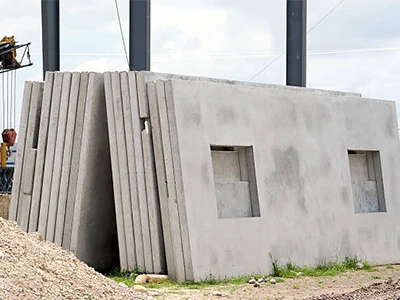
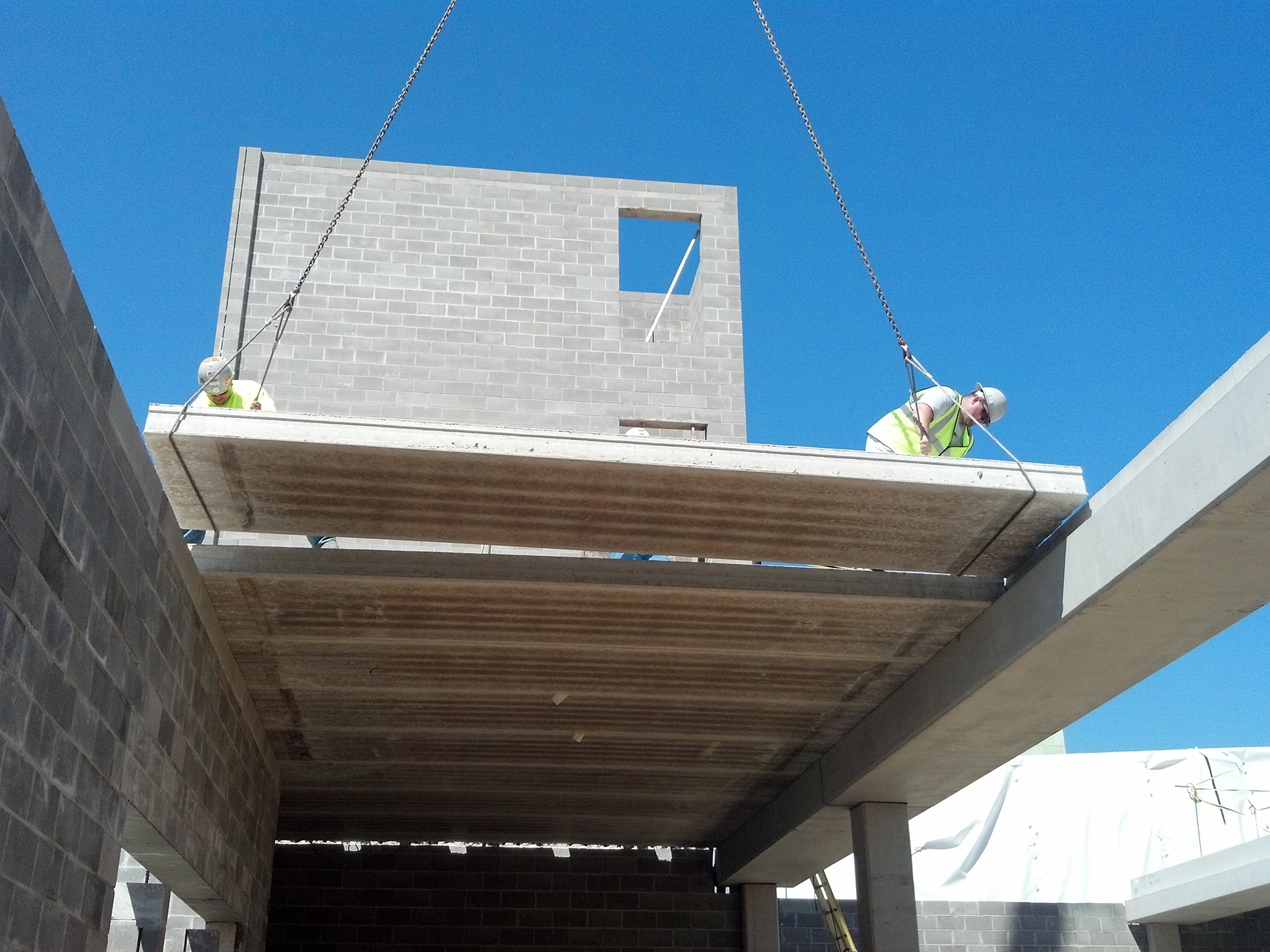
Precast concrete is a construction material that is manufactured off-site in controlled environments and then transported to the construction site for installation. It is made by pouring concrete into molds or forms, where it can cure and harden before being lifted and transported. Precast concrete comes in various shapes and sizes, including panels, beams, columns, and modules, and it is used in a wide range of construction projects, from buildings and bridges to infrastructure and landscaping. Its benefits include faster construction times, improved quality control, and enhanced durability.
What are the Characteristics of Quality Precast Concrete?
High-quality precast concrete has several properties that help improve its performance, durability, and reliability in construction projects:
High Strength: Premium precast concrete is designed to meet or exceed specified strength requirements, ensuring it can withstand the structural loads encountered in its intended application.
Uniformity: Precast concrete products are manufactured in a controlled environment using standardized processes, resulting in a consistent size, shape, and quality across all units. This uniformity facilitates easier installation and ensures a cohesive finished structure.
Durability: Precast concrete is inherently durable and resistant to environmental factors such as moisture, chemicals, and weathering. High-quality precast concrete is formulated with materials and admixtures that enhance its resistance to aging, ensuring a long service life and minimal maintenance requirements.
Quality Control: Precast concrete production involves strict quality control measures to monitor the material, mixing, pouring, curing, and finishing processes. Implement quality assurance protocols to ensure that precast concrete products meet or exceed industry standards and project specifications.
Dimensional Accuracy: Precast products and concrete elements are cast using precision molds and formwork, resulting in products with precise dimensions and tight tolerances. This dimensional accuracy ensures proper fit and alignment during assembly or installation, reducing construction time and potential errors.
Finish Options: Premium precast concrete can be manufactured in a variety of finishes to meet aesthetic requirements and project specifications. Common finishes include smooth, exposed aggregate, textured, sandblasted, and architectural finishes, providing design flexibility and versatility entire building.
Fire Resistance: Precast concrete has inherently fire-resistant properties, making it suitable for applications where fire safety is a concern. High-quality precast concrete may have additional fire-retardant materials or additives added to increase its fire resistance rating.
Sound Insulation: Precast concrete has excellent sound insulation properties, helping to minimize the transmission of noise between buildings and structural spaces. High-quality precast concrete can have specific acoustic properties to meet the sound attenuation requirements of a project.
Sustainability: Precast concrete is a sustainable building material that has a low environmental impact. Manufacturers of quality precast concrete prioritize sustainable practices by optimizing material use, minimizing waste generation, and incorporating recycled materials or supplementary cementitious materials (SCM) into their mix designs.
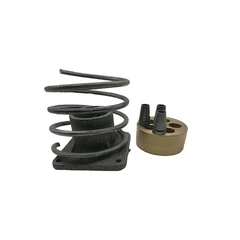
Easy to install: Precast concrete elements are designed to be easily handled, transported, and installed on-site. High-quality precast concrete products include features such as lifting anchors, connection details, and pre-installed embedded parts to facilitate efficient and safe installation by construction crews.
Difference Between Precast and Cast-in-Place Concrete
Precast concrete is manufactured in a controlled factory environment using reusable molds, ensuring high precision, smooth finishes, and consistent quality. It is then transported to the construction site for quick installation, greatly reducing labor and on-site time. In contrast, cast-in-place concrete is poured and cured directly on-site, requiring formwork, reinforcement, and longer curing periods. While cast-in-place concrete offers more flexibility for on-site adjustments, precast concrete provides faster construction, better surface quality, and improved durability-making it the preferred choice for modern and large-scale projects.
What are the Uses of Precast Concrete?
Precast concrete is widely used across various construction sectors due to its durability, precision, and speed of installation. It is commonly applied in building components such as beams, columns, wall panels, and floors. In infrastructure projects, precast elements are used for bridges, tunnels, retaining walls, and drainage systems, providing reliable performance and reduced maintenance needs. In addition, precast concrete is frequently chosen for architectural facades, sound barriers, and modular housing systems because of its excellent surface finish and design flexibility. Its versatility makes it suitable for both structural and aesthetic purposes, contributing to safer, faster, and more sustainable construction projects.

Sustainability in Precast Concrete
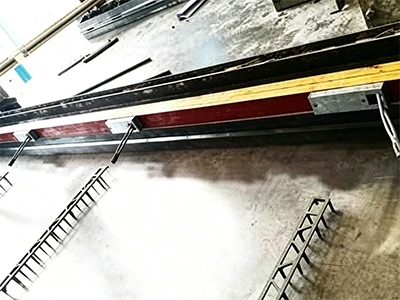
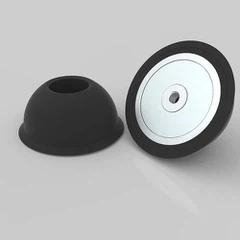
Precast concrete contributes to sustainable construction by reducing carbon emissions, minimizing material waste, and improving resource efficiency. Factory-controlled production allows precise measurements of concrete and reinforcement, avoiding overuse of raw materials. Additionally, the use of reusable magnetic formwork systems and other eco-friendly precast plant solutions helps lower energy consumption, reduces on-site waste, and extends the life of molds and equipment. By combining precision manufacturing with environmentally conscious practices, precast concrete not only enhances construction efficiency but also supports greener, more sustainable building projects.
Summary
In summary, precast concrete is a construction material produced off-site in controlled factory conditions, and then transported to the construction site for installation. It offers advantages such as quality control, efficiency, durability, and design flexibility. Precast concrete finds applications in various sectors including buildings, infrastructure, landscaping, and transportation due to its strength, durability, and versatility. It is a popular choice for construction projects seeking high-quality, cost-effective solutions.