




Concrete is an essential component in the construction process and it has to go through a curing process to gain its strength. Traditionally concrete has to be poured into molds and then it needs to be left untouched until it solidifies. However, when you use precast concrete, the entire process is streamlined. The introduction of precast concrete has revolutionized the construction industry thanks to its speed, safety, and reliability.
When construction companies use pre-cast concrete instead of traditional concrete they can significantly improve their quality and efficiency. With that said precast concrete is still a relatively new concept compared to traditional concrete pouring techniques. If you are interested in precast concrete, how it works, and its applications you are at the right place. We are going to explain everything you need to know about this modern construction technique so keep reading.
1. What Is Precast Concrete?
Precast concrete is a ready-to-use form of concrete that is prepared in a dedicated plant instead of the construction site. The cured concrete panels are then taken to the construction site where they are secured using specialized techniques. Precast concrete elements are cured in a controlled environment as a result they offer optimal strength and reliability. Contrary to common belief precast concrete is used for more than just wall panels. This concrete pouring technique can be used for making beams, columns, double tees, panels, planks, slabs, stairs, and other essential structures.
The modern use of precast concrete dates back to the 1900s when an English engineer John Alexander Brodie patented this process. Since then the use of this technique has become fairly common in all major countries including USA, Germany, Japan, and China. Since its introduction precast concrete has seen widespread use across the globe. So when it comes to its acceptability and reliability this construction technique has a lot of potential. With advancements in precast concrete manufacturing and advanced customization options, the adaptability of this construction technique is only expected to grow.
2. Difference Between Precast Concrete Elements And Regular Concrete

When you compare precast concrete with traditional concrete pouring techniques there are major differences between both. Below are some major differences between regular concrete and precast concrete:
2.1 Ease Of Casting
Since precast concrete is produced indoors in controlled environments it is easy to control, mix, and cure. This means weather conditions and external factors don't affect the curing process making it easy to prepare precast concrete. Traditional concrete is the opposite since it is cast on-site under uncontrolled conditions. Factors such as rain, temperature, and other elements can make it difficult to control the mixture and curing process. Therefore the casting process can be a lot more easier and controlled in the case of pre-cast concrete structures.
2.1 Labor Requirements
Since precast concrete panels are pre-cured you need fewer workers than you would need when casting concrete on site. On the other hand, traditional concrete requires a large number of skilled workers to cast it evenly while maintaining its mixture consistency. So if you don't have access to a reliable workforce then precast concrete is a great option for you.
2.3 Strength
With precast concrete panels, you don't have to wait for the structures to gain their strength. Traditional concrete however has to fully cure to gain its strength making the structure weak and prone to failure during the curing period.
2.4 Quality assurance
Precast concrete is cast and cured to a high standard under the supervision of experts. As a result, it is easy to predict and maintain the quality of the structures being built. The quality of traditional concrete can vary based on the variations in the mixture used which makes it difficult to maintain the quality.
3. How Are Precast Concrete Panels Made?
Now that you know what precast concrete is and how it differs from regular concrete you can better understand how they are made. The concept of manufacturing precast concrete is somewhat similar to traditional concrete casting. You have to use molds to pour concrete which can then be cured to take the desired shape. There are some key components of precast concrete panels that are essential during precast concrete manufacturing. Here are some essential tools needed for precast concrete manufacturing:

3.1 Mold formation
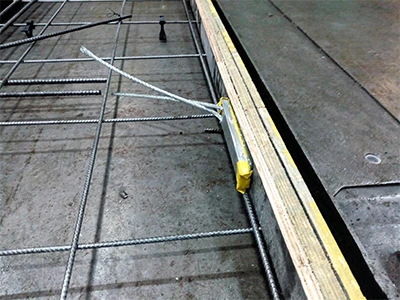
Mold formation is the most essential part of precast concrete element manufacturing. These are metallic walls that can be arranged to hold concrete mixture until it cures. The molds are designed so that they can be easily rearranged into any design you want. These molds also make it easier to remove the precast elements once they are cured.
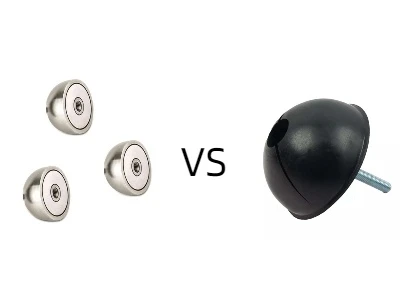
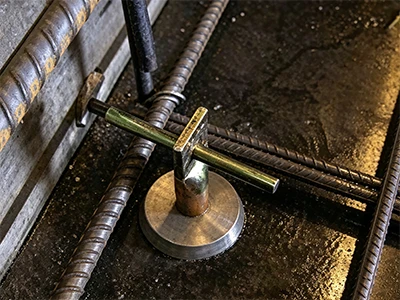
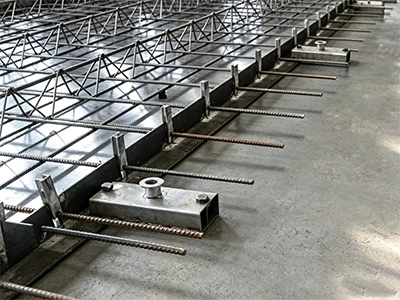
3.2 Shuttering Magnets
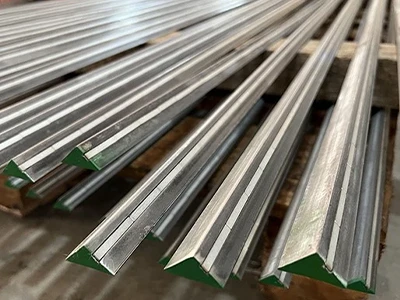
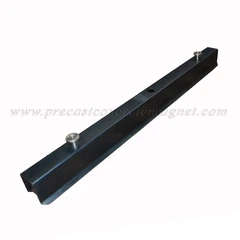
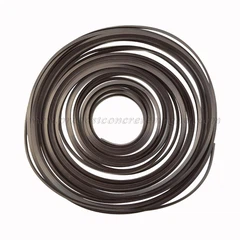
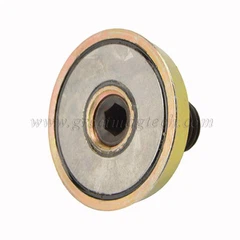
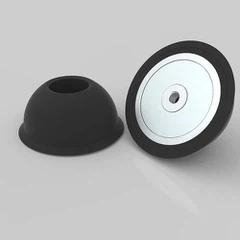
Shuttering magnets are the modern way to hold formwork in place for concrete pouring. Shuttering magnets are contained inside a metal housing that allows for easily securing the formwork to metal tables. Shuttering magnets are ideal for quickly creating complex shapes for precast concrete elements. You can quickly assemble and disassemble a formwork using shuttering magnets. As a result, the production speed and the flexibility of creating various precast concrete elements increases significantly.

3.3 Batching And Casting
During this step, the concrete is mixed and poured into the molds. The technicians precisely measure the concrete components and mix them to ensure consistency and uniform strength throughout the precast concrete element.
Then the mixture is cast inside the preassembled molds and it sits there for the required period in a controlled environment to ensure maximum strength. The curing process requires optimal hydration which is managed through water baths.
3.4 Demolding
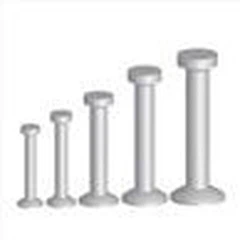
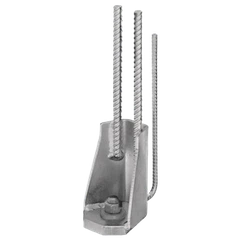
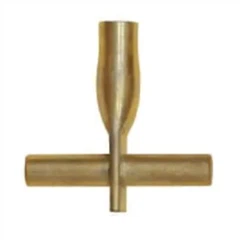
Once the precast concrete has fully cured it is time to remove the mold and this is where specialized equipment such as lifting clutches and lifting anchors come into play. These specialized pieces of equipment make it easier to safely remove and handle the precast concrete after the curing process. Depending upon the application and nature of the precast concrete elements there may be further finishing and processing required before the precast elements are shipped to be used in construction.
4. Materials Used In Making Precast Concrete Elements
As mentioned earlier the materials used for making precast concrete are similar to traditional concrete. However, the manufacturing process for precast concrete allows a lot more control over the materials being selected and used. With that said here are the key materials used for making precast concrete:
4.1 Cement
Cement is the key binding agent used in precast concrete manufacturing. Cement requires water to bind together through a process called hydration. The same hydration process allows cement to bind other materials used in concrete making it a crucial component of precast concrete. The quality of the cement used in precast concrete manufacturing directly impacts the end product.
4.2 Aggregates
Aggregates make up a major portion of concrete and precast concrete uses both fine and coarse aggregates. Fine aggregates such as sand fill the gaps between larger particles of concrete mixture and gravel which is the coarse aggregate that helps add strength and durability to the concrete. Both aggregates are added in specific proportions to ensure that the concrete is fit for the intended applications. Using the right amount of aggregate is also essential for ensuring that pre-cast concrete doesn't shrink once cured.
4.3 Water
As mentioned earlier water is essential to ensure the hydration process for cement. However precast concrete needs to maintain its hydration during the curing process as well. So water is required both during mixing and then during the curing period to ensure durability.
4.4 Reinforcement
While some precast concrete elements don't require reinforcement most do and steel bars or mesh is the most common reinforcement method used in precast concrete. Steel bars are added to the mold during the concrete casting process. The steel gets enclosed inside the concrete mixture and once the mixture cures the reinforcement stays firmly inside the structure providing added durability to it.
5. Benefits of Precast Concrete
By now we have already covered all the basics of precast concrete and its composition. It is time to explain why you should choose precast concrete and what benefits come with using this alternative to traditional site-cast concrete. Here are some major benefits of using precast concrete:
5.1 Versatility
Precast concrete is known for its versatility because it can be used to create a wide range of structural elements. You can even add specific colors, textures, and shapes to precast concrete using various molds, additives, and other manufacturing techniques. As a result, precast concrete can be used in a wide range of applications. We will cover the popular uses of precast concrete in the next section.
5.2 Sustainability
If you are a contractor who has to meet sustainability requirements then precast concrete is ideal for you. Precast concrete elements are made using all natural aggregates which aligns with sustainable construction practices. Not to mention the water used for hydration and during the curing process of precast concrete is also recycled thus reducing water wastage. More importantly precast concrete manufacturing process reduces the material wastage which reduces the overall usage of natural resources.
5.3 Controlled conditions
When you have very strict deadlines or standards to meet you can benefit from the controlled production process of precast concrete. You have complete control over how a precast element cures which makes it easier to ensure quality across all the concrete structures. Not to mention there are no delays involved in precast concrete manufacturing which is a major concern when using traditional concrete casting techniques.
5.4 Efficiency
Using precast concrete elements makes the construction process more efficient. You don't have to wait for ideal conditions or weather to cast concrete since it is being produced in a plant you can manufacture precast elements all year round. Not to mention you don't have to coordinate with a large workforce when using precast concrete which makes this construction process more efficient.
6. Applications Of Precast Concrete
Precast concrete has some distinct applications in the construction industry. Here are all the different ways precast concrete can be utilized:

6.1 Structural Frame
The most common application of precast concrete is in the form of concrete columns, beams, and slabs. Once paired together these components can make the construction of buildings such as car parks, retail centers, and office buildings a lot easier.
Not to mention precast concrete is also used for making solid walls and floor slabs which are commonly used for building hospitals, and school buildings.
6.2 Flooring
Precast concrete is also used for flooring during construction. Precast concrete floor slabs come in the form of planks, hollow cores, and blocks that can be easily laid down as flooring.
6.3 Marine Products
Precast concrete is also used for floating decks, seawalls, and underwater infrastructure. The major benefit of using precast concrete for marine applications is that it comes pre-cured and you can simply install it underwater without any issues. Precast concrete retains its integrity underwater making it ideal for marine products.
6.4 Bridge Components
Precast concrete can be used for building various sections of bridges. This construction technique can be used for producing caps, deck slabs, girders, arches, and beams in large quantities which can then be assembled to form a bridge structure.
These are just some of the common applications of precast concrete and this construction method can be used in almost every single application as a replacement for traditional concrete.
7. Why Use Precast Concrete?
7.1 Safety
Precast concrete makes construction projects safer for workers. Since there is no onsite concrete pouring involved the risk of accidents is significantly reduced.
7.2 Colour Options
You get multiple color options with precast concrete that make it easier to control the appearance of the final product.
7.3 Low Maintenance
Another reason why precast concrete is used in construction sites is due to its low maintenance requirements. You don't have to hydrate it or wait for it to solidify it is ready for use the moment it is assembled on the construction site.
7.4 Aesthetically Pleasing
If you want to achieve a uniform, and even surface then precast concrete is the only way to achieve that thanks to the controlled casting and curing process. Precast concrete elements have a superior finish making them ideal for use in situations where presentation is a concern.
8. What Are The Common Precast Concrete Products?
Precast concrete comes in the form of various structural products that make construction faster and easier. Here are some common precast concrete products you should know about:
8.1 Precast Concrete Walls
Precast concrete walls are large panels that come in two variations one designed for exterior use and one meant for interior applications.
8.2 Precast Concrete Beams And Columns
These precast concrete products are meant to be the main structural components of buildings and bridges. The dimensions of these structural components may vary based on the usage scenario.
8.3 Precast Concrete Slabs And Planks
Precast concrete slabs and planks are flat panels that are used for making floors or roofs.
8.4 Precast Concrete Stairs
Precast concrete stairs come in various size and style options and they can be joined together to quickly create staircases that would normally take weeks to complete.
9. Conclusion
So there you have it this article has covered everything you need to know about precast concrete and provides an in-depth overview of its capabilities. If you are planning on improving the quality control and the efficiency of a construction project then precast concrete elements are a great solution for you.
At GME Magnets we produce specialized magnetic equipment to facilitate precast concrete manufacturing. We are constantly improving our magnetic solutions and developing new products for a wide range of industries. Contact us for all your magnetic products needs or browse our product range on our website.