





Hollow core slab, construction term (KB), is made of concrete Hollow core concrete slabs, also known as hollow core planks or simply a hollow core slab, are precast concrete elements used extensively in building construction for various structural purposes. These slabs feature hollow channels running longitudinally, which reduce weight while maintaining structural integrity. A plate whose cross section is made hollow is called a hollow plate. Hollow slabs are lighter in weight than solid slabs of the same span, are easier to transport and install, and have a smaller building height than T-beams of the same span, so they are often used in small-span bridges.
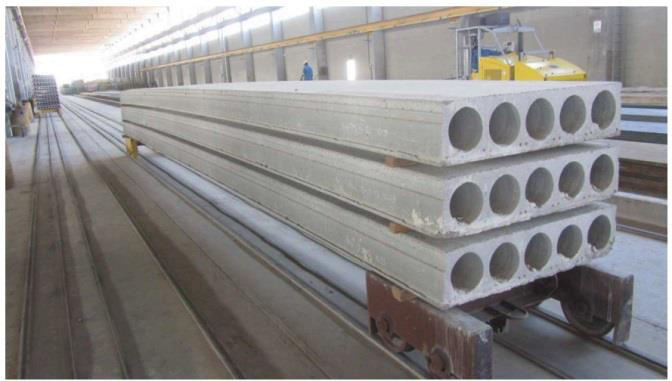
Manufacturing Process of Hollow Concrete Slabs
The manufacturing process of hollow concrete slabs involves several key steps to ensure quality and durability.
Material Preparation:
The process starts with the preparation of raw materials including cement, aggregates, water, and additives. The materials are carefully measured and mixed to achieve the desired consistency and strength.
Shaping and Casting:
After the materials are mixed, they are poured into molds designed specifically for hollow slabs. These molds, usually made of steel, are precisely designed to produce slabs of the desired shape and size.
Extrusion:
After the concrete is poured into the mold, an extrusion process creates hollow channels within the slab. This is accomplished by inserting a hollow tube or core into the concrete mixture before it has completely hardened. After the concrete cures, these tubes are removed, leaving hollow channels.
Curing:
After the slab is formed and extruded, a curing process is performed to ensure proper hydration and strength development. This usually involves heating and keeping the slab in a controlled environment with controlled temperature and humidity for a specific period.
Finishing:
Once the curing process is complete, the slab is finished to remove any imperfections and achieve a smooth surface finish. This may involve sanding, grinding, or polishing the plate to the desired smoothness.
Quality Control:
Throughout the entire manufacturing process, quality control measures are implemented to ensure that the panels comply with industry standards and specifications. This includes regular testing of raw materials, monitoring of the casting process, and inspection of finished floor slabs for defects.
Packaging and Shipping:
Once the roof slabs pass quality control inspection, they will be packed and prepared for shipment to the construction site. We take special care to ensure that the panels are properly secured and protected during shipping to prevent any damage.
What is the Strength of Hollow Core Concrete?
The strength of hollow concrete mainly depends on factors such as the quality of the materials used, the design of the slab, and the manufacturing process. Generally speaking, hollow concrete slabs for buildings are designed to meet specific strength requirements based on the intended application and load-bearing capacity.
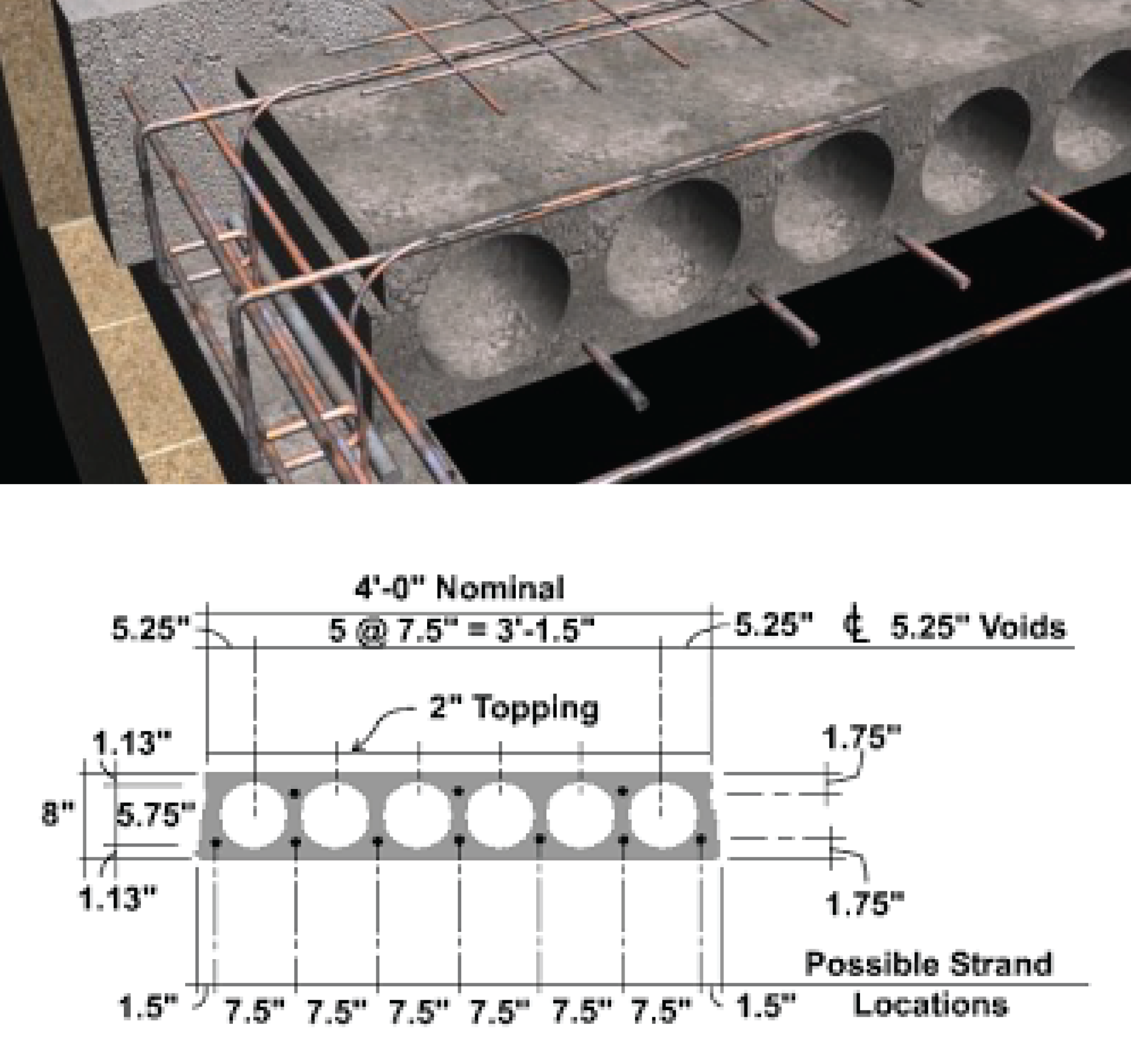
Concrete itself is known for its excellent compressive strength, which refers to its ability to withstand downward force or load. The hollow core design increases the overall strength of the structure of the board by reducing weight without compromising structural integrity. In addition, reinforcements such as steel bars can be added to the concrete mix to increase tensile strength, which is essential to resist bending and tensile forces.
Generally, the strength of wet-poured concrete is C20/20, and the thickness of concrete is C40-C50-C50. That's almost twice the power of steel.
How Thick is a Hollow Core Concrete Slab?
The hollow-core slab has these nominal depths: 200, 250, 300, 250 mm, 400 and 500 mm. Standard sizes for each machine are 1200 mm in height.
What are the Advantages of Precast Hollow Core Slabs?
Precast hollow core slabs offer several advantages that make them a very efficient and popular choice in construction projects:
Reduced Weight:
The hollow core design of these slabs significantly reduces their weight while maintaining structural integrity. This makes them easier to handle and transport, resulting in lower installation costs and shorter construction timelines.
Cost-Effectiveness:
Precast hollow core slabs are manufactured off-site in a controlled environment, allowing for efficient use of materials and labor. This reduces on-site construction time and labor costs, ultimately leading to overall cost savings.
Versatility:
These slabs can be customized to meet a variety of architectural and structural requirements. They are available in different widths, lengths, and thicknesses, making them suitable for a wide range of applications in residential, commercial, and industrial buildings.
Ease of Installation:
Installation of precast hollow core slabs is relatively quick and straightforward compared to traditional cast-in-place concrete. Once delivered to the construction site, the slabs can be lifted into place using cranes or other lifting equipment, minimizing disruption to ongoing construction activities.
Long-Span Capability:
Precast hollow core slabs can span long distances without the need for additional support columns or beams. This allows for greater flexibility in floor layout and design, particularly in open-plan spaces where uninterrupted floor space is desired.
Fire Resistance:
Concrete inherently possesses fire-resistant properties, providing an added layer of safety in the event of a fire. Hollow core slabs offer excellent fire resistance, making them suitable for use in buildings where fire safety is a concern.
Sound Insulation:
The voids in hollow core slabs act as natural sound barriers, providing effective acoustic insulation between floors. This helps reduce noise transmission between different levels of a building, creating a quieter and more comfortable indoor environment.
Environmental Sustainability:
Precast concrete is a sustainable building material with low environmental impact. By optimizing material usage and reducing construction waste, precast hollow core slabs contribute to green building practices and sustainable development initiatives.
Conclusion
Hollow core concrete slabs represent a versatile and cost-effective solution for modern construction projects. With their lightweight design, customizable properties, and inherent strength, these slabs continue to be a preferred choice for architects, engineers, and developers worldwide. By understanding the composition, benefits, and applications of hollow core concrete slabs, construction professionals can make informed decisions to optimize their projects for efficiency, durability, and sustainability.